The latest kitchen cabinet trends in 2026 reflect a growing preference for natural materials, personalized colors, practical storage, and designs that balance contemporary aesthetics with everyday comfort. Rather than focusing exclusively on dramatic visual changes, homeowners are choosing cabinetry that combines attractive finishes, efficient layouts, and long-term functionality.
Kitchen cabinets are among the most influential elements of a remodeling project. Their color, construction, door profile, and arrangement determine how the entire room looks and functions. From warm wood finishes and muted green cabinets to streamlined doors and integrated storage, today’s cabinet design possibilities extend well beyond traditional white kitchens.
Another important direction is the shift toward more intentional kitchen planning. Homeowners increasingly want cabinets that accommodate appliances, reduce countertop clutter, and make frequently used items easier to access. A visually impressive kitchen should also support cooking, cleaning, entertaining, and daily family routines.
At Cabinets House, understanding kitchen cabinet trends means identifying design choices that can remain appealing after temporary fashions change. The following ideas explore the most relevant cabinetry directions for 2026 and explain how homeowners can incorporate them into practical remodeling projects.
1. Natural Wood Kitchen Cabinets Are Making a Strong Statement
Natural wood is an important direction in contemporary kitchen design. Homeowners are increasingly interested in the warmth, texture, and individuality that wood finishes can bring to a room. Rather than relying on heavily ornamented cabinet profiles, many current designs allow the wood grain itself to become the primary decorative feature.
Light oak-inspired finishes are particularly compatible with Scandinavian and minimalist kitchens. They introduce natural character without making the room feel dark or visually crowded. Medium brown tones create a warmer appearance and can work effectively in transitional interiors.
Wood cabinetry can also be incorporated selectively. A kitchen with painted perimeter cabinets may feature a wood island, pantry wall, or lower cabinet section. This approach introduces material contrast while maintaining a bright overall atmosphere.
When choosing wood cabinets, consider the relationship between cabinet grain, flooring, countertops, and lighting. Exact color matching is not always necessary, but undertones should coordinate. A balanced material palette generally produces a more sophisticated result than combining unrelated wood finishes.
2. Warm White Cabinets Are Replacing Stark All-White Designs
White cabinetry remains highly versatile, but softer white finishes are becoming an attractive alternative to stark, cool-toned kitchens. Warm white, ivory, cream, and subtle off-white shades can create brightness while introducing a more comfortable residential atmosphere.
These colors work particularly well with natural wood flooring, warm metallic hardware, and countertops featuring restrained beige or grey veining. The resulting kitchen feels clean without appearing overly clinical.
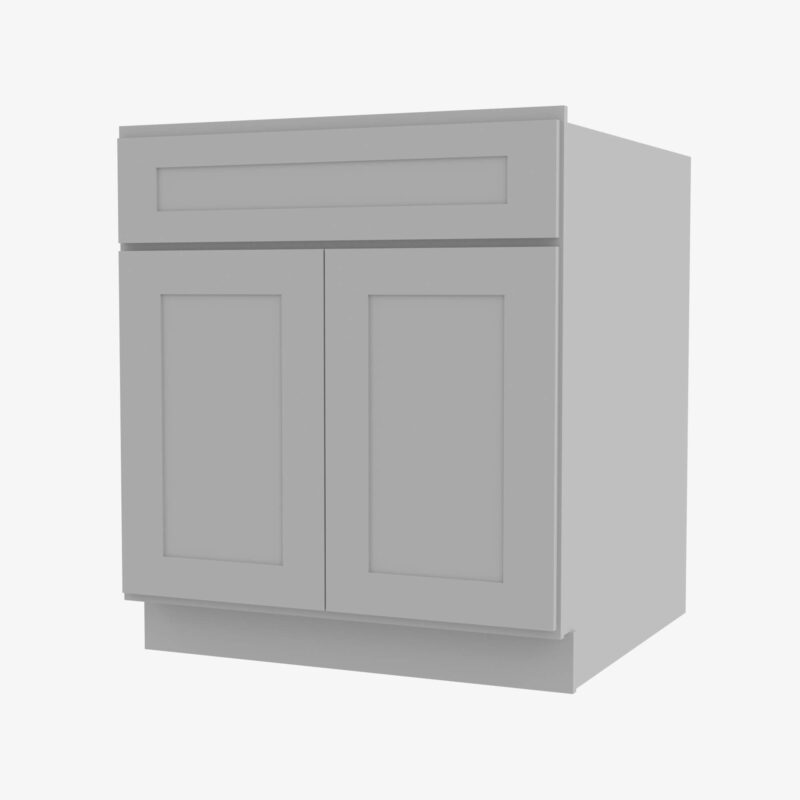
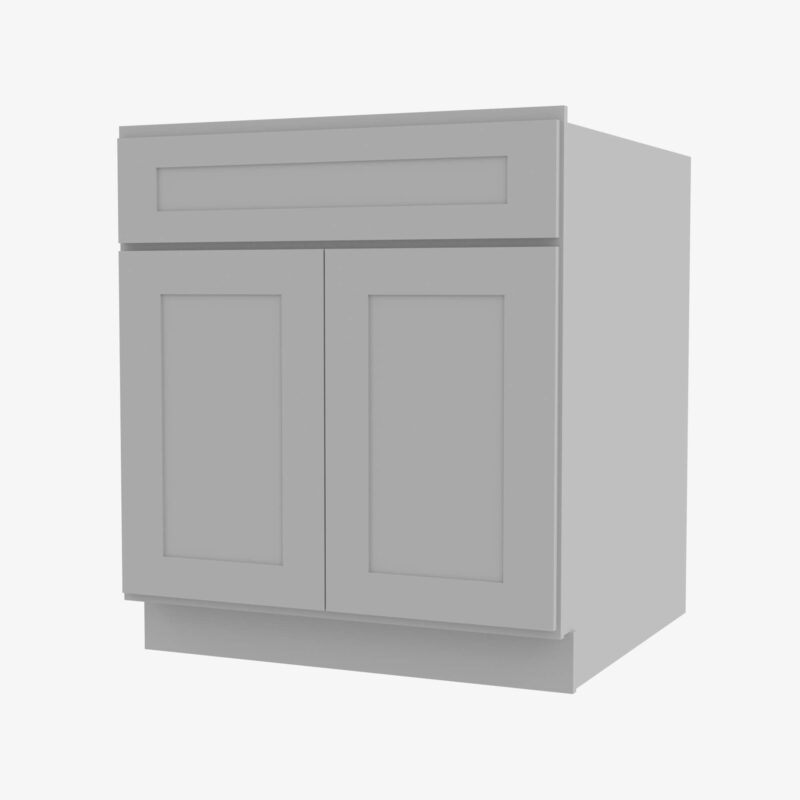
White shaker cabinets continue to provide an effective foundation for this approach. Their recessed center panels add architectural detail while remaining compatible with traditional, transitional, and contemporary interiors.
Homeowners exploring Forevermark Cabinets can consider white shaker-style options when planning a flexible kitchen design. The specific finish should be evaluated using physical samples because surrounding materials and lighting can significantly influence how white cabinetry appears.
3. Green Kitchen Cabinets Bring Natural Color Indoors
Green cabinetry offers an alternative to conventional white, grey, and brown kitchens. Muted green shades can introduce color while maintaining a connection to natural materials.
Sage green works particularly well with light wood, warm white countertops, and understated hardware. Olive and deeper forest greens create stronger visual character and may be more suitable for larger kitchens or selected cabinet sections.
A green island can be an effective starting point for homeowners who want color without committing to an entirely green kitchen. Combining green lower cabinets with light upper cabinets is another way to introduce contrast.
The key is choosing a shade that complements the home’s existing materials. Green cabinetry can appear warmer or cooler depending on its undertones, so flooring, backsplash, countertop, and lighting samples should be reviewed together.
4. Two-Tone Kitchen Cabinets Continue to Evolve
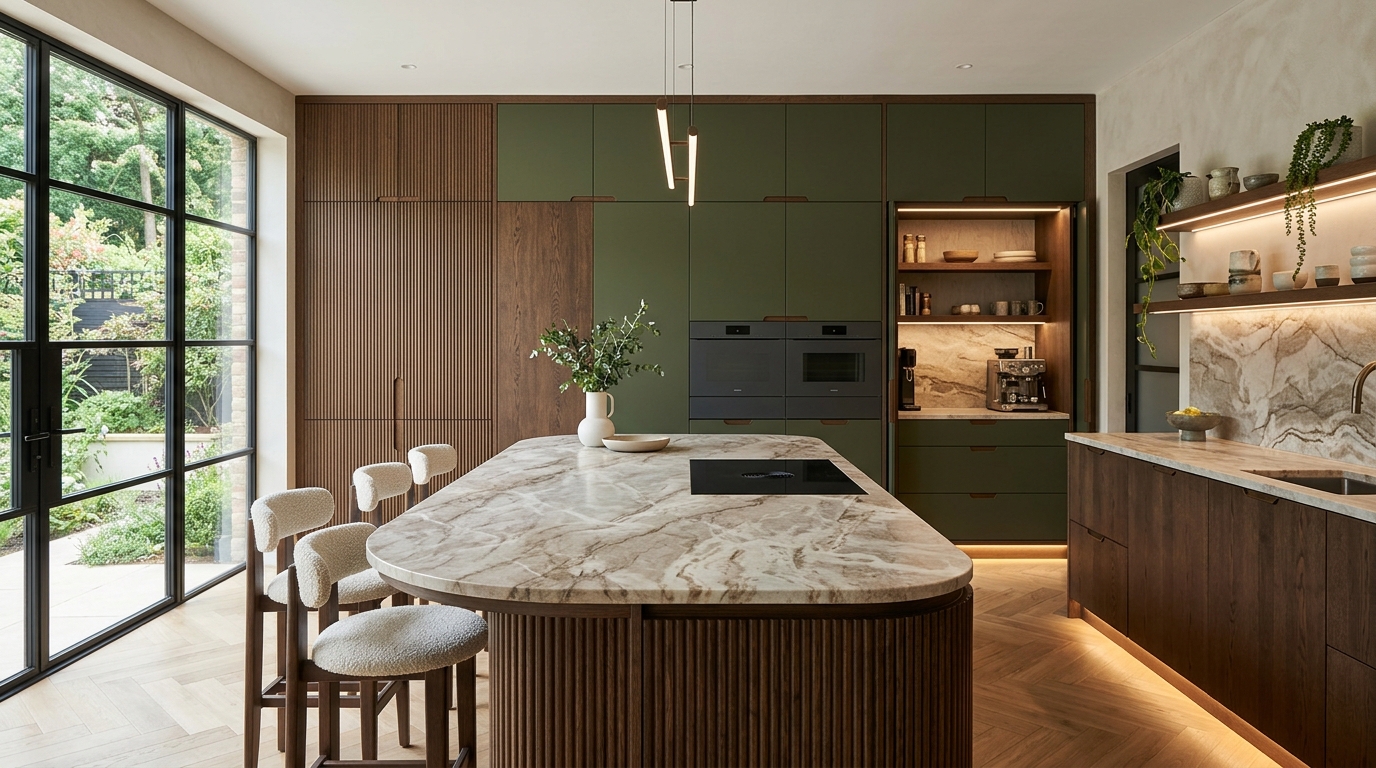
Two-tone cabinetry remains a practical way to create visual depth. Instead of using one cabinet finish throughout the room, homeowners can combine two coordinated colors or materials.
One popular arrangement places darker cabinets below lighter upper cabinets. This creates visual weight near the floor while preserving brightness at eye level. Another approach uses a contrasting island against neutral perimeter cabinetry.
Wood and painted cabinets can also work together. Natural wood lower cabinets paired with warm white uppers create a balanced combination that introduces texture without overwhelming the room.
Successful two-tone designs depend on restraint. Rather than introducing several competing colors, establish one dominant finish and use the second as a supporting element. Countertops and hardware can then provide continuity between both cabinet groups.
5. Modern Shaker Cabinets Offer Timeless Flexibility
Shaker cabinetry continues to be relevant because its design can adapt to changing interior preferences. The traditional recessed-panel profile is simple enough for contemporary homes while retaining sufficient detail for transitional and classic kitchens.
Modern interpretations often feature narrower framing, restrained hardware, and smooth finishes. These details can make shaker cabinetry feel more streamlined without eliminating its recognizable character.
Color selection also changes the overall effect. White shaker cabinets create a bright foundation, natural wood introduces warmth, and darker finishes provide stronger contrast.
Forevermark Cabinets can be included when comparing shaker cabinetry for a kitchen renovation. Homeowners should evaluate available door styles, cabinet dimensions, construction specifications, and finishes to determine which collection best suits their project.
6. Flat-Panel Cabinets Support Minimalist Kitchens
Flat-panel cabinet doors are particularly effective in kitchens where clean lines and simple geometry define the design. Without raised or recessed decorative panels, the doors create uninterrupted surfaces.
These cabinets work well with natural wood finishes, matte colors, and contemporary countertops. Handleless designs or carefully selected linear pulls can reinforce the streamlined appearance.
Flat-panel cabinetry can also simplify cleaning because the doors contain fewer detailed edges. This practical advantage is useful in busy kitchens where surfaces are frequently exposed to fingerprints and cooking residue.
However, minimalist design places greater emphasis on precision. Door alignment, consistent gaps, hardware quality, and accurate installation become particularly noticeable when decorative elements are limited.
7. Deep Drawers Are Becoming Essential Kitchen Storage
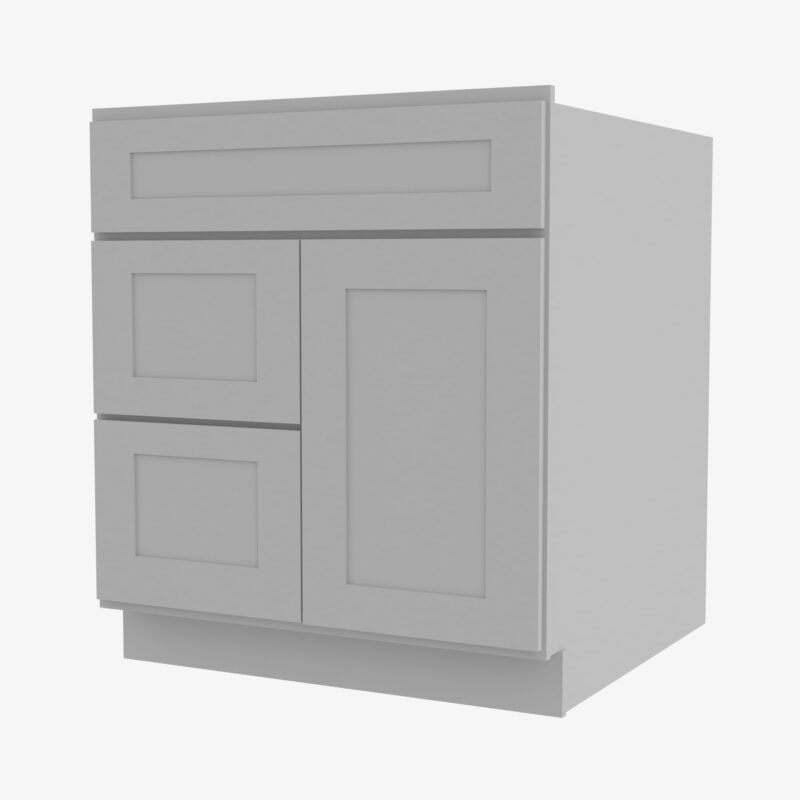
Modern kitchen design increasingly emphasizes accessibility. Deep drawers can provide more convenient storage for cookware, dishes, mixing bowls, and food containers than conventional lower cabinets with fixed shelves.
Drawers allow homeowners to see stored items from above instead of reaching into the back of a cabinet. This can reduce bending and make everyday kitchen tasks more efficient.
Full-extension drawer slides and soft-close mechanisms can improve functionality further. Internal dividers help separate cookware, utensils, and other items.
Not every lower cabinet needs to become a drawer system. The best layout uses drawers where accessibility matters most while retaining conventional cabinet storage where it remains practical.
8. Floor-to-Ceiling Cabinetry Maximizes Vertical Space
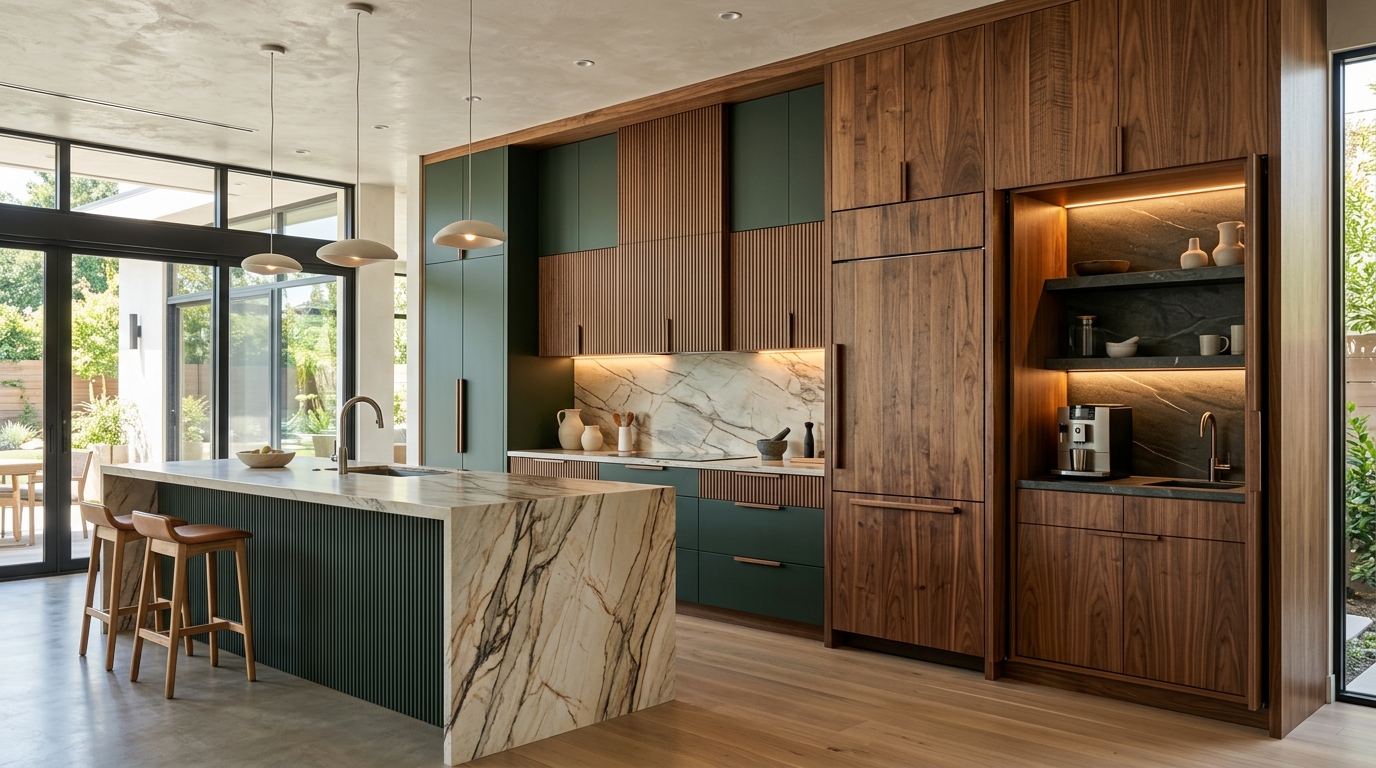
Tall cabinetry is an effective solution for kitchens that need additional storage without expanding their footprint. Extending cabinets toward the ceiling can create a more continuous architectural appearance while reducing unused space above upper cabinets.
Full-height pantry cabinets can accommodate food products, small appliances, serving pieces, and less frequently used kitchen equipment. Adjustable shelves and internal pull-outs can improve accessibility.
In contemporary kitchens, tall cabinets may also surround appliances or form a coordinated storage wall. This can help integrate refrigerators and wall ovens into the overall layout.
However, vertical storage should be balanced against the room’s proportions. Filling every wall with tall cabinets may make a narrow kitchen feel enclosed. Strategic placement often produces a better result than maximizing cabinet height everywhere.
9. Hidden Appliance Storage Creates Cleaner Countertops
One noticeable direction in kitchen planning is reducing visible countertop clutter. Coffee makers, blenders, mixers, and other small appliances can occupy substantial workspace when left permanently on display.
Appliance garages, deep drawers, and dedicated pantry compartments provide alternatives. These storage areas can keep appliances accessible without allowing them to dominate the room visually.
A beverage station can also be integrated into cabinetry, creating a dedicated location for coffee supplies, cups, and related equipment.
Electrical access, ventilation, appliance clearances, and manufacturer requirements must be considered carefully. Appliances should not be operated inside enclosed cabinets unless the installation is specifically designed and approved for that use.
10. Kitchen Islands Are Becoming More Functional
Kitchen islands are increasingly designed as multifunctional spaces rather than simple countertop extensions. They may combine food preparation, storage, seating, and serving functions.
Contrasting island cabinetry can create a strong visual focal point. A natural wood island paired with white perimeter cabinets introduces warmth, while a darker painted island provides a more dramatic effect.
Storage configuration is equally important. Deep drawers, waste pull-outs, and specialized compartments can make the island useful during daily cooking.
Island dimensions must correspond with the kitchen’s available circulation space. An oversized island can restrict movement and interfere with appliance access, reducing the functionality of an otherwise attractive design.
11. Matte Finishes and Subtle Textures Add Sophistication
Cabinet finishes influence the atmosphere of a kitchen as much as color. Matte and low-sheen surfaces can create a softer appearance than highly reflective cabinetry.
Muted finishes work particularly well with natural wood, textured backsplashes, and understated countertops. They can help create a calm environment without relying on elaborate decorative elements.
Wood grain and subtle surface texture can also provide visual interest. Instead of introducing additional colors, homeowners can combine materials with different tactile characteristics.
Finish selection should still account for maintenance. Some matte surfaces may show oils or fingerprints more readily than expected, depending on their composition. Reviewing samples and manufacturer care instructions is important before purchasing.
12. Cabinet Hardware Is Becoming More Intentional
Hardware is a relatively small component, but it appears repeatedly throughout the kitchen. Its shape, size, placement, and finish can influence the entire cabinet design.
Brushed nickel remains a versatile choice, while matte black can create stronger contrast against light cabinetry. Warm metallic finishes may complement natural wood and soft white cabinets.
Minimalist kitchens often use simple linear pulls or discreet hardware. Transitional designs may incorporate understated knobs and handles that emphasize the cabinet profile.
Consistency generally creates the strongest result. Homeowners can combine knobs and pulls, but they should share a coordinated visual language and remain comfortable to use.
Kitchen Cabinet Trends Comparison for 2026
The following table summarizes the design directions and their practical applications.
| Cabinet Trend |
Design Character |
Best Application |
Main Advantage |
| Natural Wood |
Warm and organic |
Modern and transitional kitchens |
Texture and character |
| Warm White |
Bright and welcoming |
Small and large kitchens |
Versatility |
| Muted Green |
Natural and distinctive |
Islands and perimeter cabinets |
Controlled color |
| Two-Tone Cabinets |
Layered contrast |
Medium and large kitchens |
Visual depth |
| Modern Shaker |
Refined and adaptable |
Most home styles |
Long-term flexibility |
| Flat-Panel Doors |
Clean and minimalist |
Contemporary kitchens |
Simple appearance |
| Deep Drawers |
Functional |
Base cabinets |
Better accessibility |
| Tall Pantry Cabinets |
Streamlined |
Storage-focused kitchens |
Vertical efficiency |
| Hidden Appliance Storage |
Organized |
Busy households |
Clearer countertops |
| Matte Finishes |
Soft and understated |
Contemporary interiors |
Restrained elegance |
These directions can be combined successfully. For example, a kitchen might feature warm white shaker cabinets, a natural wood island, deep drawers, and a tall pantry wall without appearing overly complicated.
How to Choose Kitchen Cabinet Trends That Will Last
Not every emerging design idea is suitable for every home. Kitchen cabinets represent a significant investment, and most homeowners expect them to remain functional and attractive for many years.
Begin with the architecture of the house. A highly minimalist cabinet style may look appropriate in a contemporary home, while shaker cabinetry may create a more natural transition in a traditional interior.
Next, consider how the kitchen is used. Households that cook frequently may prioritize drawers, pantry storage, and durable finishes. Families that entertain may place greater emphasis on island seating and serving areas.
Material compatibility is another important factor. Cabinet finishes should coordinate with countertops, flooring, backsplashes, and lighting rather than being selected independently.
Finally, distinguish between permanent design decisions and easily replaceable decorative details. Cabinet construction and layout should support long-term needs, while hardware, lighting, and accessories can provide opportunities for future updates.
Kitchen Cabinet Quality Matters More Than Temporary Trends
An attractive cabinet finish cannot compensate for poor construction. Cabinet boxes, shelves, drawer systems, hinges, and finishes all influence long-term performance.
Homeowners should examine cabinet specifications rather than relying entirely on product photographs. Construction materials, hardware mechanisms, available dimensions, and maintenance requirements should be compared carefully.
Storage quality is especially important. Deep drawers and pull-out systems must be appropriately constructed to support their intended loads and withstand repeated use.
At Cabinets House, homeowners can approach cabinet selection by considering design preferences alongside practical construction and storage requirements. The strongest renovation combines visual appeal with reliable everyday functionality.
Should You Follow Every New Kitchen Cabinet Trend?
Following every trend is rarely necessary. A kitchen that incorporates too many competing ideas can quickly lose visual cohesion.
A better approach is to select one or two primary design directions. Natural wood with warm white cabinetry, for example, can provide a clear foundation. Storage upgrades and carefully selected hardware can then complement the design.
Homeowners who prefer stronger color can introduce it through an island or selected cabinet section. This creates personality without requiring the entire kitchen to depend on a single bold finish.
Forevermark Cabinets can be considered when homeowners want to explore established cabinet styles while developing a design that reflects current preferences. Product selection should ultimately be guided by the specific room, budget, and functional requirements.
Frequently Asked Questions About Kitchen Cabinet Trends
What Is the Most Popular Kitchen Cabinet Color in 2026?
White and neutral cabinet colors remain widely used, while warm whites, natural wood tones, and muted greens are important contemporary design directions. The most suitable choice depends on lighting, flooring, room dimensions, and personal preference.
Are Shaker Cabinets Still in Style?
Yes. Shaker cabinets remain relevant because their straightforward design works with many architectural styles. Modern shaker profiles, restrained hardware, and updated finishes allow homeowners to create contemporary kitchens without abandoning a familiar cabinet style.
Are Wood Cabinets Coming Back?
Natural wood cabinetry is receiving renewed attention, particularly in kitchens that emphasize warmth and organic materials. Light oak-inspired finishes, medium wood tones, and wood accent cabinetry can complement modern and transitional interiors.
What Cabinet Features Are Worth Investing In?
Reliable drawer systems, durable construction, practical pantry storage, and appropriately selected cabinet hardware generally provide meaningful everyday benefits. These functional improvements can remain valuable even as decorative preferences change.
Conclusion
The latest kitchen cabinet trends in 2026 emphasize natural materials, warm neutral colors, functional storage, and versatile design. Wood finishes, muted greens, modern shaker profiles, flat-panel doors, and two-tone combinations offer homeowners numerous ways to personalize their kitchens.
Storage remains equally important. Deep drawers, full-height pantry cabinets, hidden appliance compartments, and multifunctional islands can make the kitchen more organized and comfortable.
The most successful remodeling projects do not depend entirely on current fashion. They combine cabinet styles that complement the home with durable construction, thoughtful layouts, and storage solutions that support everyday routines.
With careful planning, suitable cabinetry options, and guidance from Cabinets House, homeowners can incorporate contemporary kitchen cabinet trends while creating a space that remains attractive, practical, and adaptable for years to come.

 Stackable Cabinet PH-W3024B Forevermark Petit OAK
 Trash Can Tray TW-TCR21 Forevermark Homestead OAK Shaker
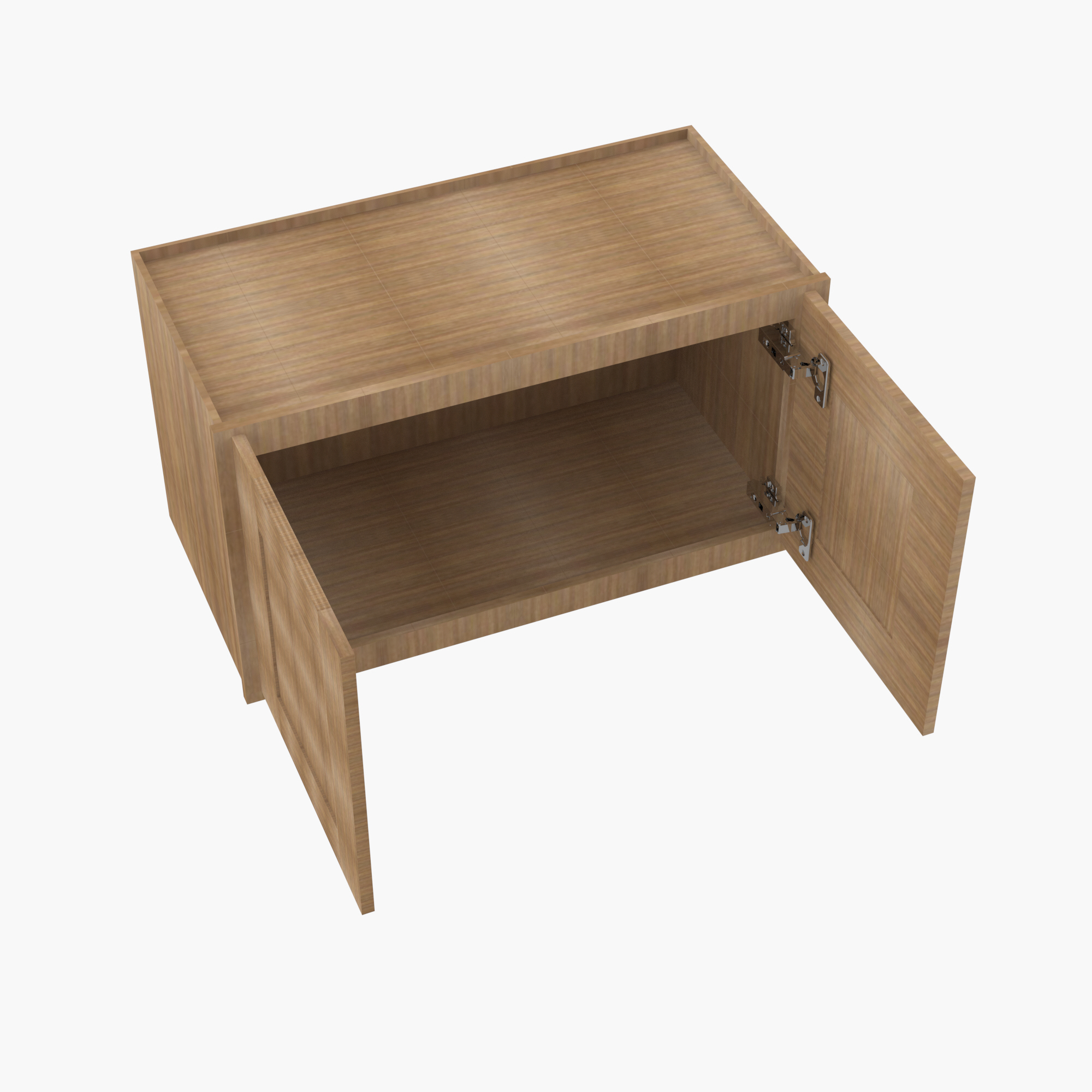 Stackable Cabinet AH-W3024B Forevermark Homestead OAK Shaker