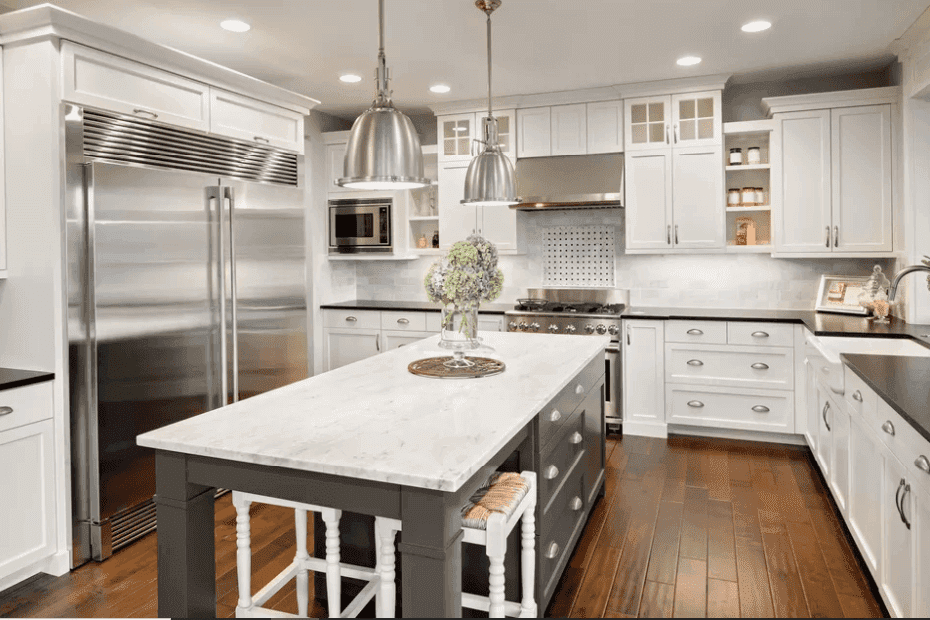
7 ways to create a comfortable kitchen with white cabinets and wooden materials can help homeowners achieve one of the most balanced combinations in kitchen design. White cabinetry brings brightness, visual openness, and versatility, while wood introduces warmth, texture, and a natural quality that can make the room feel more welcoming. Used together, these materials can create a kitchen that feels clean without becoming cold and contemporary without losing its residential character.
White kitchens have remained appealing because they provide a flexible foundation for changing design preferences. However, an entirely white room can sometimes appear too clinical when cabinets, countertops, backsplash, walls, and flooring all use similar tones. Introducing wooden materials helps break up those surfaces and creates visual depth.
Wood does not have to dominate the room. A wood kitchen island, hardwood floor, floating shelf, cabinet accent, or even carefully selected furniture can provide enough warmth to change the atmosphere. The objective is to determine where wood will have the greatest visual impact while allowing white cabinets to maintain the bright foundation.
Cabinets House recommends approaching this combination as a complete material palette rather than selecting cabinetry and wood independently. Undertones, grain patterns, lighting, countertops, hardware, and flooring should work together. The following seven strategies demonstrate how homeowners can create a comfortable kitchen by combining white cabinets with wooden materials.
Why White Cabinets and Wood Work So Well Together
White and wood naturally balance one another. White surfaces reflect light and can visually expand the kitchen, while wood introduces texture and warmth. This contrast prevents either material from becoming visually overwhelming.
The combination is also highly adaptable. White shaker cabinets with medium toned wood flooring can support a transitional kitchen, while flat white doors paired with light oak can create a Scandinavian inspired or contemporary appearance. Warmer woods and more detailed cabinetry can move the same basic combination toward a traditional direction.
Another advantage is longevity. Instead of depending heavily on a distinctive color trend, homeowners can build the primary kitchen around neutral cabinetry and natural materials. Smaller decorative elements can then be changed as preferences evolve.
The key is moderation. A successful white and wood kitchen does not require every available surface to alternate between the two materials. Establishing one dominant finish and using the second strategically generally produces a more cohesive result.
1. Combine White Cabinets With Natural Wood Flooring
Wood flooring is one of the most effective ways to introduce warmth into a kitchen dominated by white cabinetry. Because flooring covers a large surface area, its color and grain have a substantial influence on the atmosphere of the room.
Light wood floors can create a soft and airy environment. They work particularly well with warm white cabinetry, subtle stone countertops, and simple hardware. The result can feel contemporary while remaining comfortable enough for everyday family life.
Medium wood tones create stronger contrast and can make white cabinets appear even brighter. These floors may be particularly effective in open concept homes where the same material continues into dining or living spaces and visually connects the different areas.
Very dark wood can also work, but contrast needs to be managed carefully. A dark floor combined with bright cabinetry creates a dramatic division between surfaces. Adequate natural and artificial lighting becomes especially important to keep the kitchen from feeling visually heavy at floor level.
When selecting wood flooring, homeowners should consider more than appearance. Durability, cleaning requirements, moisture resistance, and compatibility with the household’s lifestyle are equally important.
2. Add a Wooden Kitchen Island
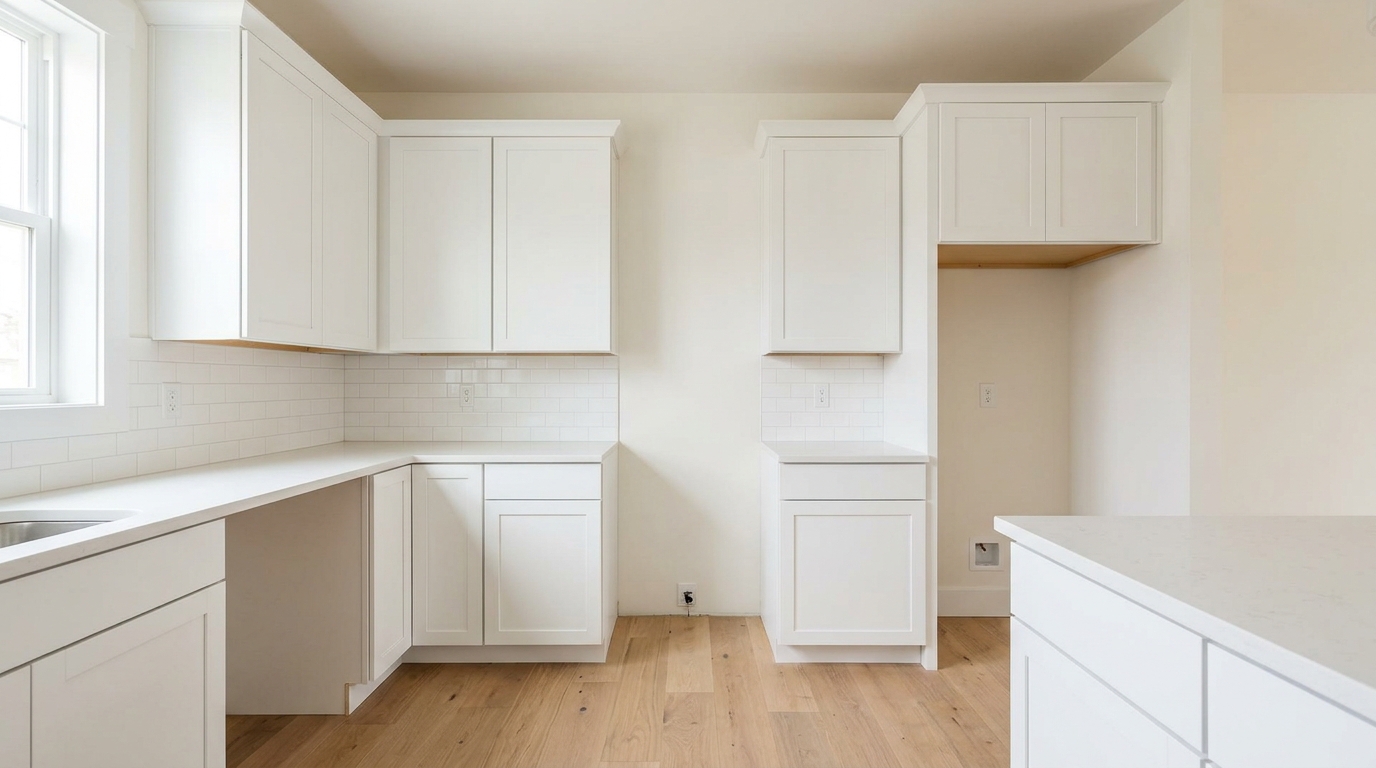
A wood finished island can become the visual center of a white kitchen. Instead of installing identical white cabinets throughout the room, homeowners can use the island to introduce a second material and establish a warmer focal point.
This strategy works particularly well in larger kitchens where an all white cabinet layout might otherwise appear repetitive. The wood island breaks the visual pattern without requiring a major change to the perimeter cabinetry.
The island finish does not need to match the flooring exactly. In fact, attempting to match two different wood products too closely can sometimes make slight differences in grain and color more noticeable. Coordinated but intentionally distinct tones can appear more natural.
A wooden island can be paired with:
- White perimeter cabinets
- White or lightly veined quartz countertops
- Pendant lighting
- Neutral backsplash materials
- Upholstered or wooden seating
- Restrained metal hardware
The result provides contrast while maintaining a clear relationship between the island and the rest of the kitchen.
3. Use White Shaker Cabinets for a Warm Transitional Look
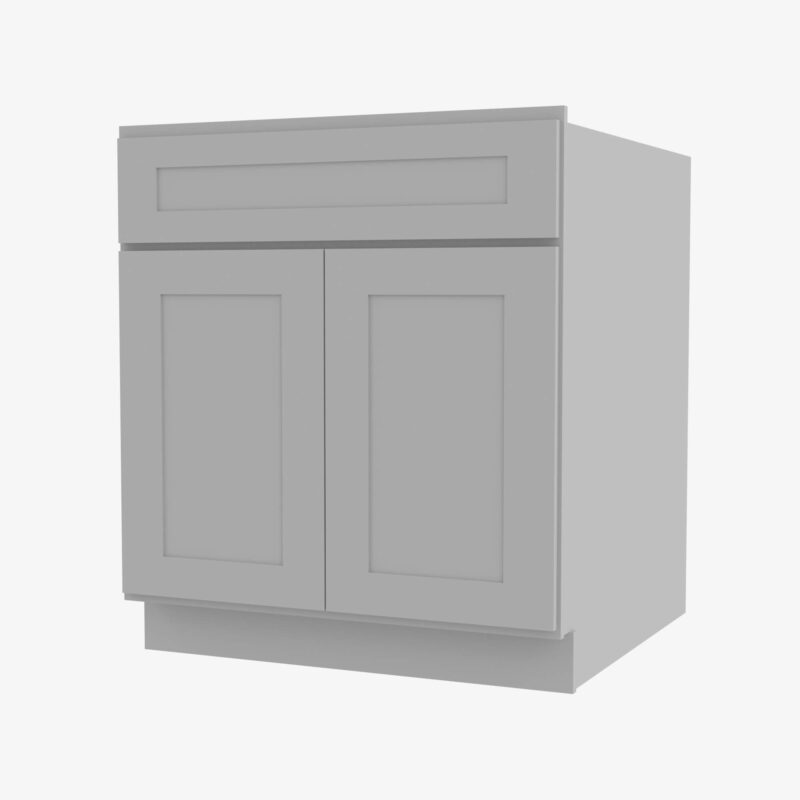
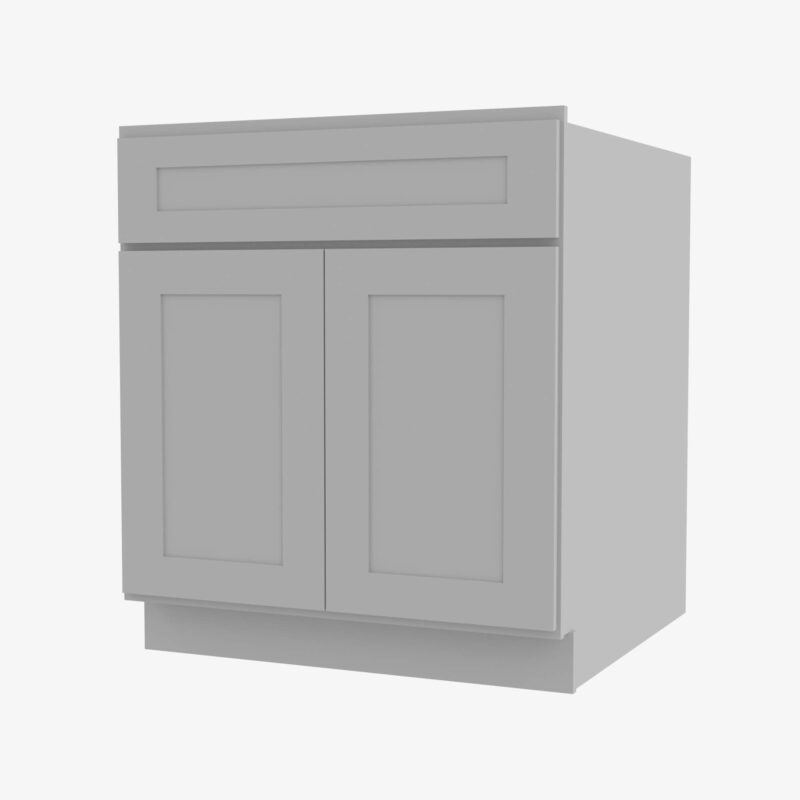
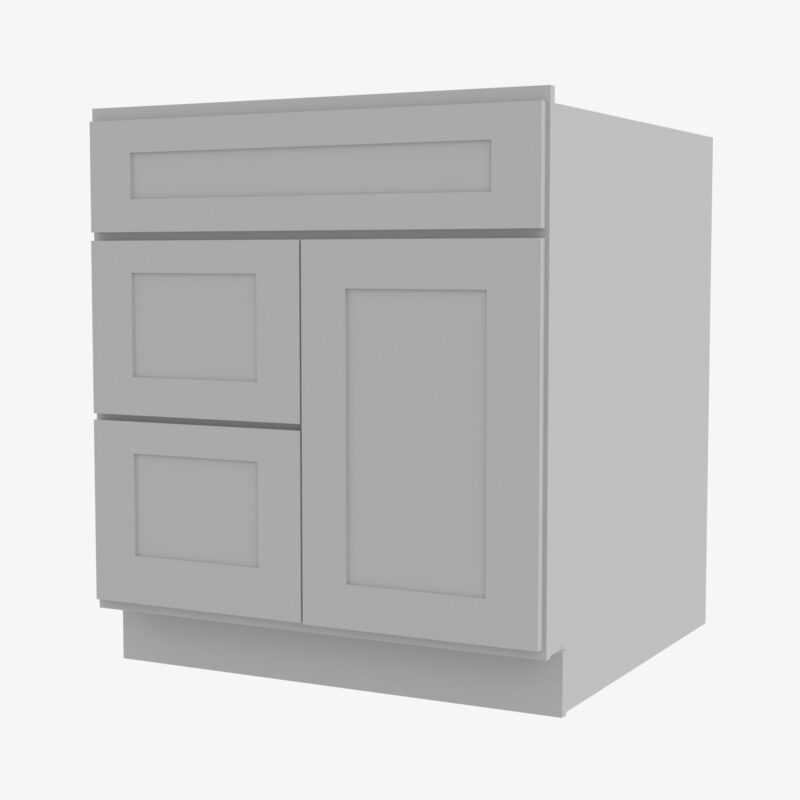
Cabinet door style influences whether a white kitchen feels ultra modern, traditional, or somewhere between the two. White shaker cabinets are particularly effective when homeowners want a comfortable transitional appearance.
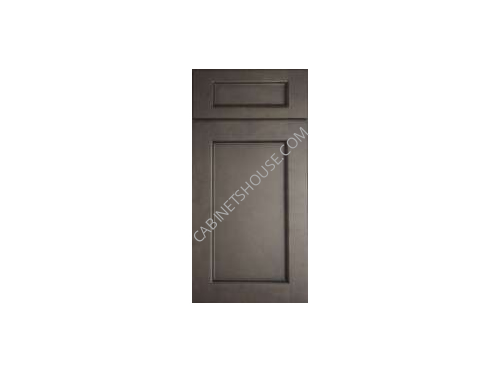
The recessed center panel provides enough architectural detail to prevent the cabinets from looking overly plain. At the same time, the profile remains simple enough to coordinate with contemporary countertops, lighting, and hardware.
Forevermark Cabinets can be considered when homeowners are exploring white shaker cabinetry and want a style that can work with multiple material combinations. Wood floors, islands, shelves, and furniture can all be incorporated without competing with the cabinet profile.
The shade of white should still be selected carefully. Pure cool white may look crisp but can create stronger contrast with warm wood. Softer whites can create a gentler transition between cabinetry and natural materials.
Before ordering cabinets, compare the door sample directly with the selected wood and countertop materials. Lighting conditions can significantly change how white finishes and wood undertones appear together.
4. Introduce Wood Through Open Shelving and Small Details
Homeowners do not need to install large amounts of wood to create warmth. Small wooden details can have a meaningful impact, particularly in compact kitchens where a full wood island or extensive flooring change may not be practical.
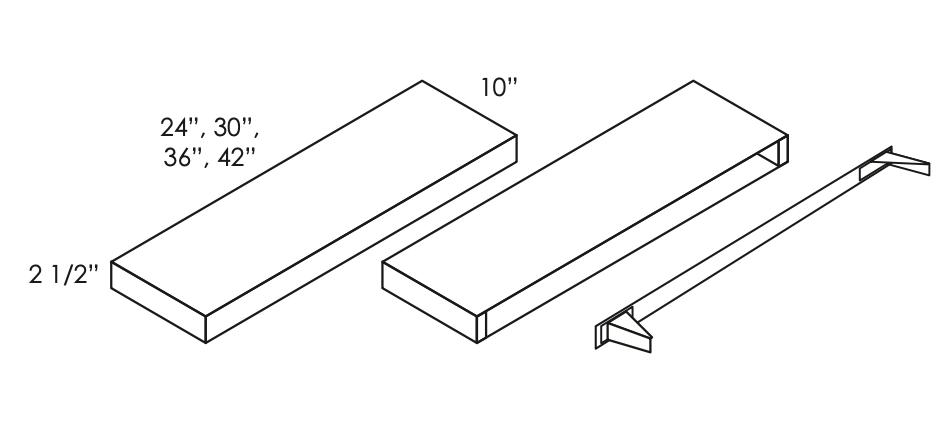
Floating wood shelves are one of the easiest options. Replacing a small section of upper cabinetry with open shelving can introduce natural texture while creating an area for frequently used dishes, glassware, cookbooks, or decorative pieces.
Wood can also appear through bar stools, cutting boards, trays, ceiling details, dining furniture, or selected cabinet inserts. Repeating a similar wood tone in several controlled locations helps create continuity.
The most effective approach is intentional repetition. A single isolated wooden object may appear accidental, while several coordinated elements can make the material feel integrated into the design.
At the same time, avoid filling every available area with wood. White cabinetry should remain visually dominant if brightness and openness are primary objectives.
5. Select Warm Countertops and Backsplashes
Cabinets and wood are not the only materials influencing kitchen comfort. Countertops and backsplashes create the transition between major surfaces and can either strengthen or weaken the relationship between white cabinetry and wood.
A countertop with subtle warm veining can help connect white doors with natural wood. Cream, beige, soft grey, and restrained stone patterns often provide an effective bridge between these materials.
Backsplashes can perform a similar role. Instead of selecting an extremely bright white backsplash against white cabinetry, homeowners might consider handmade style tile, warm neutral stone, or subtle textured surfaces.
The goal is not necessarily to introduce additional colors. Texture and undertone alone can create sufficient variation.
Consider the relationship among the primary materials:
| Element |
Comfortable Design Direction |
Main Purpose |
| White Cabinets |
Warm or balanced white |
Bright foundation |
| Wood Flooring |
Light to medium natural tone |
Warmth and texture |
| Countertop |
Soft white or warm neutral |
Connect major surfaces |
| Backsplash |
Subtle texture or neutral tone |
Add depth |
| Hardware |
Black, nickel, or warm metal |
Define cabinet details |
| Lighting |
Warm, layered illumination |
Improve atmosphere |
Looking at these materials together is much more reliable than selecting each one independently.
6. Use Warm and Layered Kitchen Lighting
Even an excellent white and wood combination can feel uncomfortable under poor lighting. Lighting changes how cabinet colors, wood grain, countertops, and finishes appear throughout the day.
Natural light should be used whenever possible. White cabinetry reflects daylight effectively, helping distribute brightness across the room. Wood then provides visual warmth and prevents the illuminated surfaces from appearing sterile.
Artificial lighting should be layered rather than dependent on one central ceiling fixture. General lighting provides overall visibility, task lighting supports work areas, and decorative fixtures create atmosphere.
Under cabinet lighting is particularly useful because it illuminates countertops and reduces shadows beneath upper cabinets. Pendant lights can help define islands and introduce another decorative material.
A comfortable kitchen lighting plan may include:
- Recessed ceiling lighting
- Under cabinet task lighting
- Pendant lights above an island
- Decorative fixtures above dining areas
- Interior cabinet lighting where appropriate
The final lighting temperature should also be evaluated with the actual cabinet and wood samples. Warm lighting can significantly change the appearance of both materials.
7. Balance White and Wood Instead of Using Them Equally
One of the most important design principles is understanding that white and wood do not need to occupy equal amounts of space. A successful kitchen often establishes one material as dominant and uses the other to provide contrast.
For example, white cabinets might represent the primary visual foundation, while wood appears on the floor, island, and a few shelves. This keeps the kitchen bright while adding enough natural texture to create comfort.
Another kitchen might use white upper cabinets with wood toned lower cabinetry. This creates visual weight closer to the floor while keeping the upper portion lighter.
Homeowners can also use a wood pantry wall or selected tall cabinets as an architectural feature. This approach works especially well in larger contemporary kitchens where a full bank of cabinetry can become a focal point.
Cabinets House recommends considering the room from multiple viewing angles. This is particularly important in open concept homes because the kitchen may be visible from the dining room, living room, or entry area.
How Much Wood Should You Use With White Cabinets?
There is no universal percentage that works for every kitchen. Room dimensions, natural light, flooring, ceiling height, and cabinet layout all influence the appropriate balance.
In smaller kitchens, a few wooden elements may provide enough warmth. Wood flooring combined with white cabinetry may already establish the desired contrast without requiring additional wood cabinet finishes.
Larger kitchens can generally support stronger material variation. A substantial island, tall wood cabinets, or several floating shelves can introduce more texture without making the room feel crowded.
The following comparison can help homeowners think about different combinations.
| White and Wood Combination |
Visual Effect |
Best Application |
| White Cabinets + Wood Floor |
Warm and timeless |
Most kitchen sizes |
| White Cabinets + Wood Island |
Strong focal point |
Medium and large kitchens |
| White Cabinets + Wood Shelves |
Light natural accent |
Small kitchens |
| White Uppers + Wood Lowers |
Contemporary contrast |
Modern kitchens |
| White Cabinets + Wood Pantry |
Architectural warmth |
Larger layouts |
| White Shaker + Natural Wood |
Comfortable and versatile |
Transitional homes |
The strongest combination is the one that complements the architecture rather than following a predetermined formula.
Choose the Right Wood Tone for White Cabinets
Not every wood tone creates the same effect. Light oak inspired finishes can make the kitchen feel relaxed and contemporary, while medium brown woods provide greater traditional warmth.
Darker wood tones create stronger contrast and can add sophistication. However, they may require more careful lighting and material coordination, particularly in smaller kitchens.
Undertones deserve special attention. Some woods have yellow, orange, red, grey, or neutral undertones. These characteristics should coordinate with the undertones of white cabinet paint, flooring, countertops, and wall colors.
Homeowners should examine samples in the actual kitchen at different times of day. A wood finish that appears neutral in showroom lighting may look considerably warmer under natural sunlight.
The objective is not to make every finish identical. Instead, the materials should share enough visual characteristics to appear intentionally selected.
Keep the Kitchen Comfortable Through Better Storage
Visual warmth alone does not create a comfortable kitchen. The room must also function efficiently.
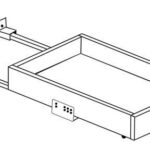
White cabinetry can provide the exterior design foundation, while internal storage systems improve everyday usability. Deep drawers, pull out shelves, pantry organizers, tray dividers, and integrated waste systems can make the kitchen easier to navigate.
Storage should be positioned according to activity. Cookware belongs close to the cooking area, dishes can remain near the dishwasher, and preparation tools should be stored close to the primary workspace.
Countertop organization is equally important. Even a carefully designed white and wood kitchen can feel chaotic when small appliances, containers, and miscellaneous objects cover the work surfaces.
A comfortable kitchen combines visual simplicity with logical storage. The room should feel calm because it is genuinely organized, not simply because the cabinet doors are white.
Avoid Making a White Kitchen Feel Too Cold
One common concern with white cabinets is creating a room that feels sterile. This usually happens when too many cool, smooth surfaces are used together.
Wood is an effective solution, but additional texture can also help. Fabric seating, natural stone, woven accessories, textured tile, plants, and carefully selected decorative pieces can make the room feel more residential.
Warm metallic finishes can provide another layer of softness. Brushed brass or similar finishes can complement certain white and wood combinations, although the metal should coordinate with the broader design.
Forevermark Cabinets can provide a useful starting point when selecting cabinetry, but the final atmosphere depends on how cabinet style interacts with flooring, countertops, hardware, lighting, and other materials.
The goal should be balance rather than decoration. A few well chosen natural textures generally create more impact than filling the kitchen with numerous accessories.
Consider Durability Alongside Appearance
Wood and white cabinetry both require practical consideration. Kitchens experience moisture, cooking residue, spills, fingerprints, heat, and frequent cleaning.
Cabinet finishes should be durable enough for regular household use. High contact areas around handles and frequently used drawers deserve particular attention.
Wood flooring and other natural materials should also be selected according to expected traffic and maintenance requirements. Families with children or pets may prioritize surfaces that tolerate daily activity more easily.
Cabinets House recommends comparing material specifications alongside appearance. A comfortable kitchen should remain enjoyable after years of use rather than requiring constant maintenance to preserve its original look.
Quality materials, dependable hardware, and professional installation contribute just as much to long term satisfaction as color and style.
Why White Cabinets Remain a Flexible Choice
White cabinets provide homeowners with substantial design flexibility because they can adapt to many materials and styles. Changing hardware, lighting, wall colors, seating, or decorative elements can alter the atmosphere without replacing the cabinetry.
They can also support different wood tones over time. A homeowner might initially pair white cabinetry with light oak and later introduce darker furniture or accessories without completely redesigning the kitchen.
This flexibility can be valuable when kitchens connect directly with living spaces. White cabinetry creates a relatively neutral foundation that can respond to changes elsewhere in the home.
Cabinets House helps homeowners evaluate white cabinet options according to layout, door profile, storage requirements, and surrounding materials rather than treating all white kitchens as identical.
When cabinetry is selected as part of a complete design plan, white becomes much more than a simple color choice. It becomes a versatile foundation for a comfortable and adaptable kitchen.
Conclusion
7 ways to create a comfortable kitchen with white cabinets and wooden materials demonstrate how brightness and natural warmth can work together. White cabinets establish a clean and flexible foundation, while wood flooring, islands, shelves, furniture, and accent cabinetry introduce texture and character.
The most successful kitchens do not simply combine white and brown surfaces. They carefully coordinate cabinet profiles, wood undertones, countertops, backsplashes, hardware, lighting, and storage. Each material should contribute to a unified atmosphere.
Homeowners should also consider functionality alongside visual design. Efficient drawers, accessible storage, durable finishes, and a well planned layout make the kitchen genuinely comfortable rather than merely attractive.
With thoughtful material selection, quality cabinetry such as Forevermark Cabinets, and planning support from Cabinets House, homeowners can create a white and wood kitchen that feels bright, warm, organized, welcoming, and suitable for everyday life for years to come.

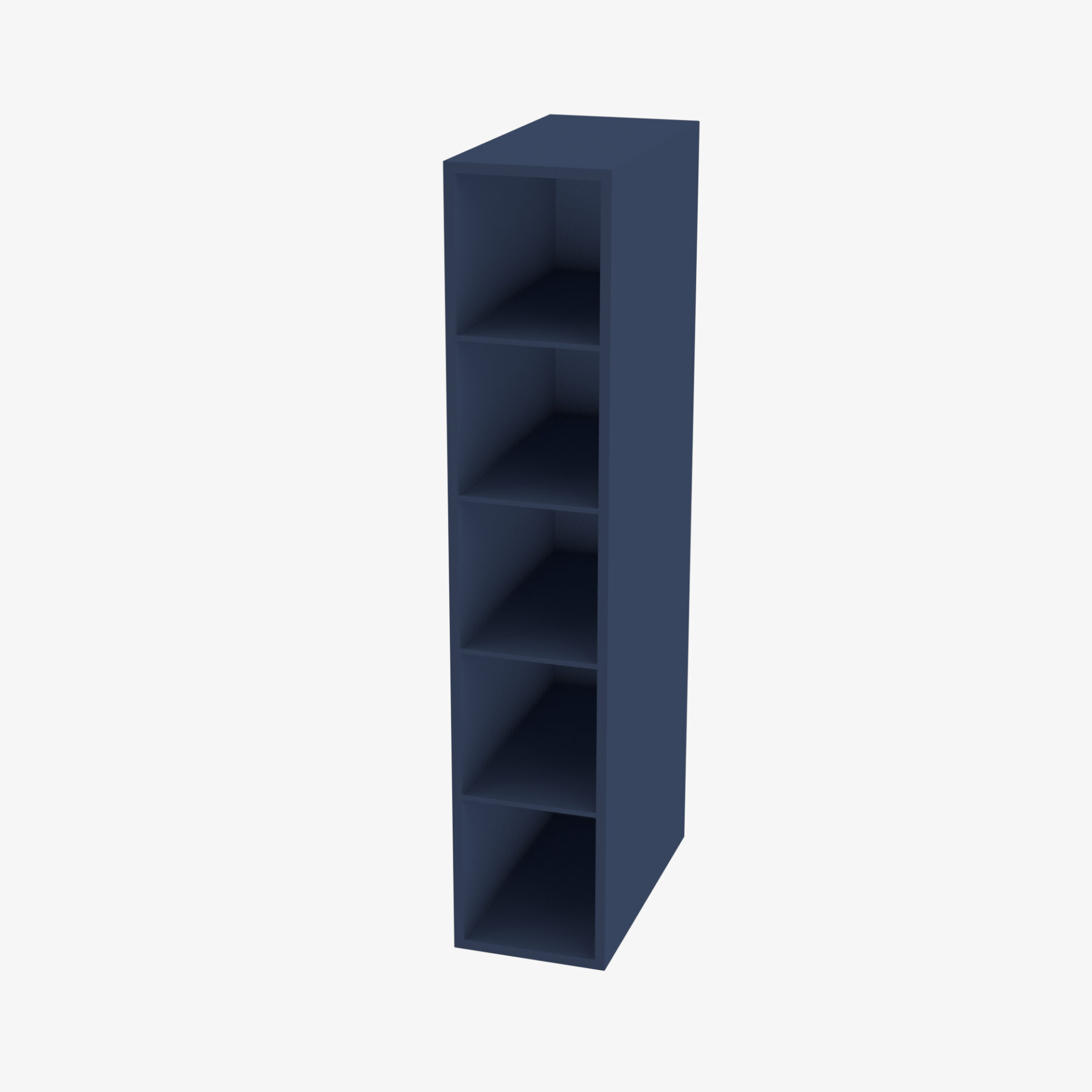 Wall Diagonal Corner Cabinet PD-WDC2412-3 Forevermark Petit Blue
 Wall Glass Door with No Mullion and with Clear Glass PW-W3036BGD Forevermark Petit White
 Glass Door Kitchen Cabinet AW-W1830GD-1 Forevermark Ice White Shaker