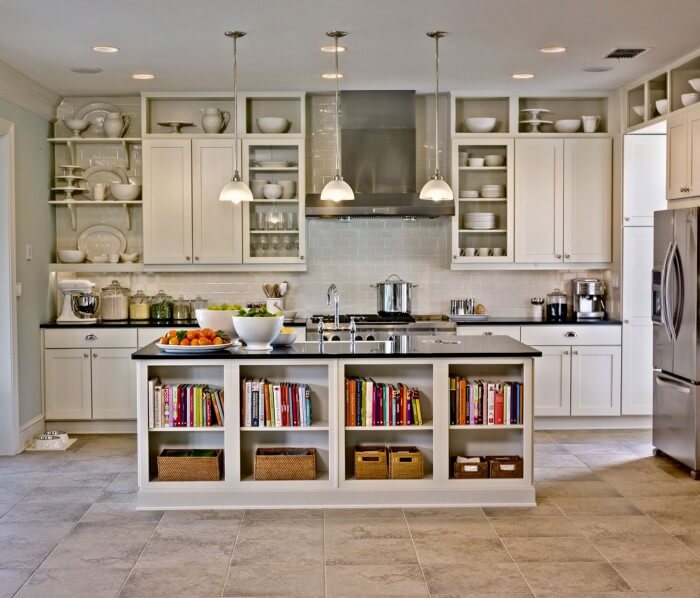
Cabinet ideas can completely change the way a kitchen looks, functions, and feels in everyday life. Cabinets occupy a significant amount of visual space, but their importance extends far beyond appearance. The right cabinetry determines where cookware is stored, how easily ingredients can be reached, whether countertops remain organized, and how comfortably people can move through the kitchen.
Homeowners planning a remodel have more possibilities than simply choosing between white and wood cabinets. Cabinet design can incorporate contrasting islands, deep drawers, tall pantry storage, glass doors, two tone combinations, floor to ceiling cabinetry, specialized corner solutions, and carefully selected hardware. Even relatively small changes can have a substantial effect when they respond to the dimensions and needs of the room.
The strongest kitchen designs begin with function and then develop the visual concept around it. A beautiful cabinet arrangement that creates difficult corners, insufficient storage, or poor appliance clearances can become frustrating after installation. Likewise, highly functional cabinetry without thoughtful material coordination may fail to create the atmosphere homeowners want from a major renovation.
Cabinets House helps homeowners approach cabinet planning from both perspectives. Whether the objective is a bright modern kitchen, a comfortable transitional room, or a space with natural wood character, the following cabinet ideas provide practical inspiration for developing a kitchen that combines storage, style, and long term usability.
1. Create a Bright Kitchen With White Cabinets
White cabinets remain one of the most versatile starting points for kitchen design. They reflect light effectively and can help a small or enclosed kitchen appear more open. In larger kitchens, white cabinetry provides a neutral foundation that allows countertops, islands, lighting, and architectural features to receive greater attention.
The specific shade of white matters. Bright cool whites can create a crisp contemporary appearance, while softer whites provide greater warmth. Cabinet samples should therefore be compared with flooring, countertops, backsplash materials, and wall colors before a final selection is made.
Door style can significantly change the personality of white cabinetry. Flat panel white doors create a streamlined modern look, while shaker cabinets introduce enough architectural detail to support transitional, farmhouse inspired, and contemporary interiors.
White does not require an entirely white kitchen. Natural wood, darker islands, patterned stone, metal hardware, and textured tile can all provide contrast. The most comfortable designs usually incorporate enough variation to prevent the room from appearing sterile.
2. Bring Natural Wood Cabinets Back Into the Kitchen
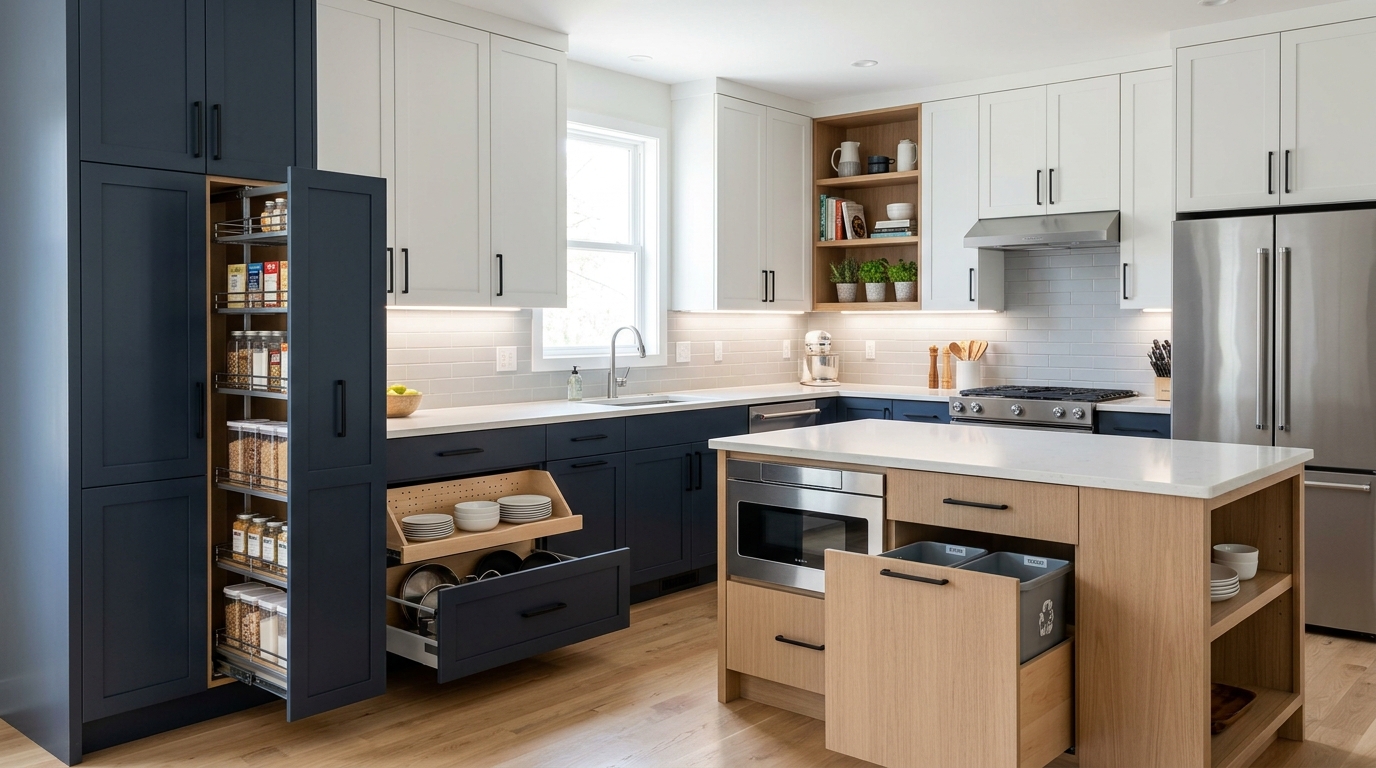
Wood cabinetry can introduce texture and natural character that painted surfaces cannot fully reproduce. Instead of the heavy wood kitchens associated with some older interiors, contemporary designs frequently use lighter and more restrained wood tones.
Natural grain can become an important design element on its own. When wood cabinets have strong visual texture, surrounding surfaces can remain relatively simple. Quiet countertops and understated backsplashes allow the cabinetry to become the focal material.
Wood also works particularly well in open concept homes. The cabinetry can coordinate with flooring, dining furniture, ceiling beams, or other natural materials in adjoining living spaces, creating continuity between rooms.
Homeowners do not need to use wood throughout the entire kitchen. A wood island, pantry wall, or selected lower cabinets can provide warmth while painted cabinetry maintains brightness elsewhere.
3. Try Two Tone Kitchen Cabinets
Two tone cabinetry is an effective way to create visual contrast without introducing excessive decoration. One of the most common approaches combines lighter upper cabinets with darker base cabinets.
Keeping the upper portion light can preserve an open appearance, while the darker lower cabinets add visual weight and definition. White uppers paired with navy, charcoal, muted green, or wood toned lowers can create particularly distinctive combinations.
Another strategy is to maintain one cabinet color around the perimeter and introduce a contrasting island. This gives the island greater visual importance and helps establish it as the social or functional center of the kitchen.
The two finishes should still share a relationship. Countertops, flooring, hardware, or backsplash materials can provide visual connections between them. Two tone cabinetry works best when the contrast appears intentional rather than assembled from unrelated choices.
4. Make the Kitchen Island a Cabinet Focal Point
A kitchen island provides valuable countertop area, but its cabinet configuration can make it equally important for storage. Deep drawers, doors, open shelving, waste systems, and specialty organizers can all be incorporated into an island.
A contrasting cabinet finish can turn the island into a design focal point. For example, a wood island can warm a kitchen with white perimeter cabinets, while a navy or charcoal island can provide stronger color contrast.
Storage should be planned according to the island’s function. An island used primarily for food preparation may benefit from cookware drawers and waste storage. One positioned near the dining area might hold serving pieces, linens, or dishes.
Seating must also be considered during cabinet planning. Adequate overhang, legroom, circulation, and drawer clearance are necessary if the island will function as both a work zone and casual dining area.
5. Use Deep Drawers Instead of Standard Base Cabinets
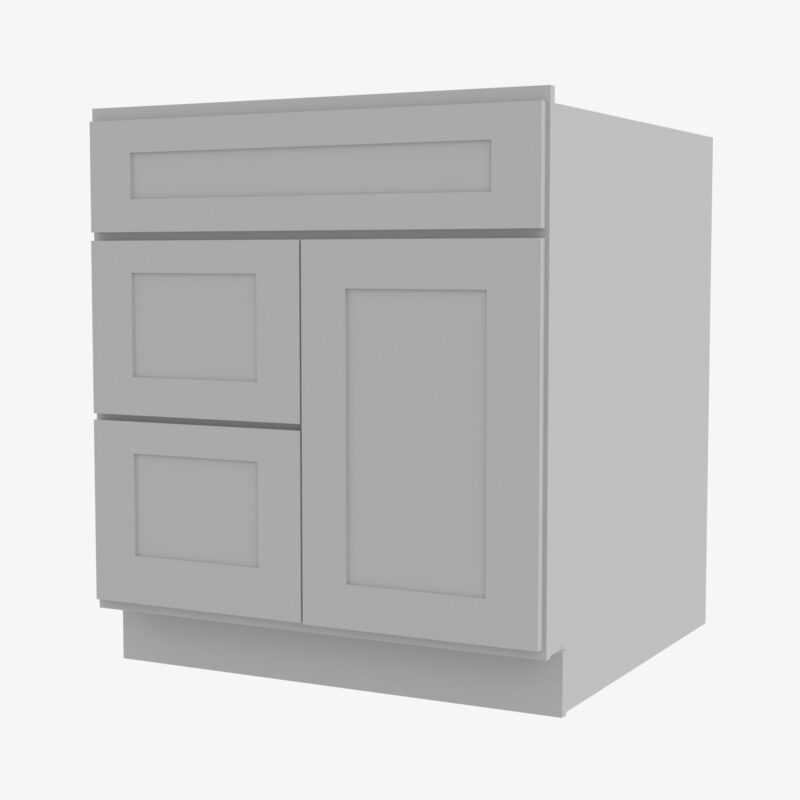
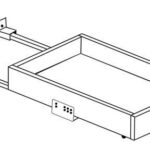
One of the most practical cabinet ideas is replacing selected lower door cabinets with wide drawers. Traditional base cabinets can provide substantial storage, but reaching items at the back often requires bending and moving objects out of the way.
Deep drawers bring the contents toward the homeowner. Pots, pans, mixing bowls, dishes, and small appliances can be viewed from above and retrieved more easily.
Different drawer depths can support different storage categories. Shallow drawers are useful for utensils, medium drawers can accommodate dishes or food containers, and deep drawers can store cookware.
Full extension and soft close hardware can improve the experience further. When planning a kitchen remodel, drawer construction and hardware quality should receive the same attention as cabinet color and door style.
6. Build a Floor to Ceiling Pantry Wall
Tall cabinetry can transform unused vertical space into valuable storage. A coordinated wall of pantry cabinets provides room for dry goods, small appliances, serving pieces, cleaning supplies, and other household items.
Floor to ceiling cabinetry can also simplify the architecture of the room. Instead of multiple small storage units, one continuous cabinet wall creates a more intentional appearance.
In larger kitchens, tall cabinetry may also surround or visually integrate appliances. Refrigerators, wall ovens, and microwaves can become part of a coordinated cabinet composition rather than appearing as isolated elements.
Interior planning remains essential. Adjustable shelves, pull outs, drawers, and dedicated appliance areas can make a tall pantry substantially easier to use than a simple cabinet filled with fixed shelves.
7. Choose Shaker Cabinets for Design Flexibility
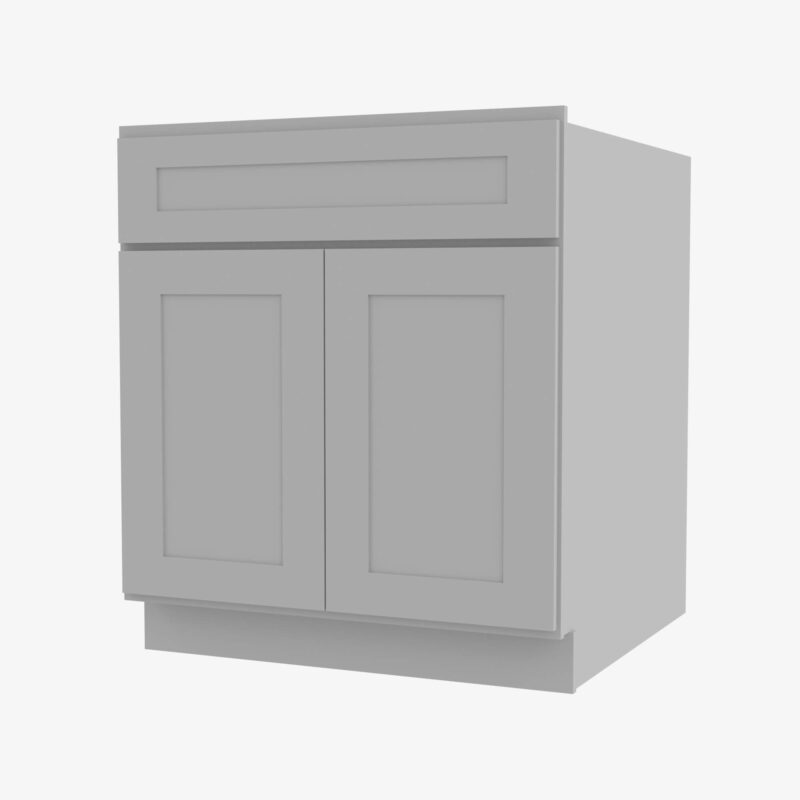
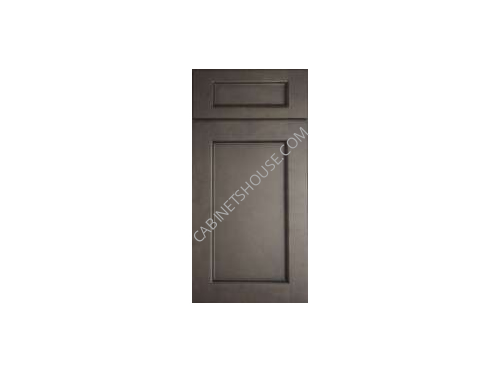
Shaker cabinets remain a practical choice because their recessed center panel provides a balance between simplicity and architectural detail. The same fundamental profile can work across modern, transitional, and more traditional kitchens.
Color dramatically changes the effect. White shaker cabinetry feels bright and familiar, while navy or charcoal creates stronger contrast. Wood toned shaker doors introduce natural warmth.
Forevermark Cabinets offer options that can be considered when homeowners are exploring shaker based kitchen designs. The versatility of this cabinet style makes it particularly useful when the homeowner wants a design that can adapt to future changes in hardware, lighting, or decorative materials.
Shaker cabinetry can also coordinate with a wide variety of countertop materials. Simple quartz, natural stone patterns, butcher block accents, and many backsplash styles can work successfully when the complete palette is planned together.
8. Use Flat Panel Cabinets for a Modern Kitchen
Flat panel doors remove most decorative detailing and create clean uninterrupted surfaces. They are particularly effective in contemporary kitchens where geometry and material consistency are central to the design.
These doors can be painted, finished with wood inspired surfaces, or used in darker contemporary colors. Handleless systems can make the appearance even more streamlined.
Flat cabinetry is also relatively straightforward to clean because there are fewer recessed edges where cooking residue and dust can accumulate. This practical characteristic can be valuable in busy households.
Because the design is simple, alignment becomes especially important. Consistent door gaps, accurate installation, and quality hardware contribute significantly to the finished appearance.
9. Add Glass Front Cabinets as Accents
Glass front cabinets can break up long runs of solid upper doors and make the kitchen feel more visually open. They work particularly well near dining areas, beverage stations, or symmetrical sections of cabinetry.
Clear glass allows homeowners to display attractive dishes, glasses, or serving pieces. Frosted and textured glass can provide a lighter appearance while concealing more of the cabinet contents.
Interior lighting can increase the decorative impact. Illuminated glass cabinetry provides subtle ambient light and can create an attractive focal point during the evening.
Glass fronts should generally be used selectively. Too many can create visual clutter because the contents of the cabinets become part of the room’s overall composition.
10. Introduce Green, Navy, or Charcoal Cabinets
Neutral cabinetry is not the only option for creating a kitchen with long term appeal. Carefully selected deeper colors can give cabinetry more personality without relying on excessive ornamentation.
Muted green can introduce an organic character and works particularly well with natural wood and warm neutral surfaces. Navy provides sophisticated contrast with white countertops and lighter floors.
Charcoal can create a strong contemporary appearance, especially in larger kitchens with adequate lighting. It may also be used selectively on an island or lower cabinets when using it throughout the room would feel too heavy.
Before selecting a darker color, homeowners should examine samples under both daylight and artificial lighting. Dark finishes absorb more light and can appear significantly different as conditions change.
11. Make Small Kitchens Work Harder
A small kitchen does not necessarily need more cabinets. It needs better planned cabinets. Filling every available wall with storage can sometimes make a compact room feel even smaller.
Vertical storage can be especially useful. Taller upper cabinets take advantage of ceiling height while reducing the need for additional cabinets elsewhere.
Drawers, pull out organizers, tray dividers, and corner storage can increase the usable capacity of existing cabinetry. The objective should be to make difficult spaces accessible rather than simply maximizing theoretical storage volume.
Light cabinet colors can help maintain visual openness, but they are not mandatory. A compact kitchen can still incorporate darker accent cabinetry when lighting and surrounding materials provide sufficient balance.
12. Turn Difficult Corners Into Useful Storage
Kitchen corners are often among the least efficient cabinet areas. Standard shelves can leave large sections difficult to see and reach.
Corner organizers can improve accessibility. Depending on the cabinet configuration, rotating shelves, pull out mechanisms, or specialized corner drawers may be considered.
The correct solution depends on the layout. A blind corner requires a different approach from an L shaped corner cabinet, so the storage mechanism should be selected only after dimensions and door clearances are confirmed.
In some layouts, eliminating a complicated corner cabinet and using more accessible drawers nearby may provide greater practical value. Every inch of cabinet volume does not need to be filled if doing so makes the kitchen more difficult to use.
13. Create an Appliance Storage Zone
Countertop appliances can quickly make even a newly remodeled kitchen appear cluttered. Coffee makers, blenders, toasters, mixers, and other equipment need logical storage locations.
An appliance garage can conceal frequently used products while keeping them close to the countertop. Deep drawers may work better for appliances that are used less frequently.
Tall cabinets can also incorporate dedicated appliance zones. This is particularly useful when the kitchen includes a coffee station or breakfast area.
Electrical requirements, ventilation, manufacturer instructions, and local code considerations should be evaluated when appliances are intended to operate within or immediately adjacent to cabinetry.
14. Upgrade the Inside of the Cabinets
Cabinet ideas should not focus exclusively on what homeowners see from the outside. Interior organization can have an even greater impact on everyday satisfaction.
Useful internal cabinet features include:
- Pull out shelves
- Deep drawer dividers
- Vertical tray storage
- Spice organizers
- Waste and recycling pull outs
- Pantry organizers
- Cutlery inserts
- Adjustable shelving
- Under sink organizers
These accessories should solve actual storage problems rather than simply add complexity. A household that cooks frequently may prioritize cookware drawers and spice storage, while another may need substantially more pantry organization.
Cabinets House recommends considering accessories during the cabinet planning stage. This allows cabinet widths and configurations to accommodate the organization systems that will actually be used.
15. Match Cabinet Hardware to the Overall Design
Hardware may occupy a relatively small amount of visual space, but repeating handles and knobs across dozens of cabinet doors makes the selection important.
Matte black hardware can create defined contrast against light cabinetry. Brushed nickel provides a restrained and versatile appearance, while warmer metal finishes can soften white, green, or wood kitchens.
Hardware proportions should correspond with the cabinet doors and drawers. Very small pulls may look undersized on wide drawer fronts, while oversized hardware can dominate compact cabinet doors.
Function should be tested whenever possible. A handle that looks attractive should also be comfortable to grip repeatedly during cooking and cleaning.
Cabinet Ideas Comparison
Different cabinet concepts solve different design and storage challenges. The following table provides a quick comparison.
| Cabinet Idea |
Primary Advantage |
Ideal Application |
Visual Direction |
| White Cabinets |
Brightness and flexibility |
Small or large kitchens |
Clean and timeless |
| Natural Wood |
Warmth and texture |
Open concept kitchens |
Organic |
| Two Tone Cabinets |
Visual contrast |
Medium and large kitchens |
Transitional or modern |
| Deep Drawers |
Accessibility |
Base cabinetry |
Functional |
| Tall Pantry Wall |
Maximum vertical storage |
Kitchens with wall space |
Streamlined |
| Shaker Cabinets |
Versatility |
Most home styles |
Transitional |
| Flat Panel Cabinets |
Clean lines |
Contemporary kitchens |
Modern |
| Glass Front Cabinets |
Visual openness |
Selected upper cabinets |
Decorative |
| Dark Cabinets |
Strong character |
Well lit kitchens |
Dramatic |
| Cabinet Organizers |
Better storage efficiency |
Any kitchen size |
Functional |
These ideas can also be combined. A kitchen might use white shaker perimeter cabinets, a natural wood island, deep drawers, glass accents, and a tall pantry wall within the same coordinated design.
How to Choose the Best Cabinet Ideas for Your Home
Start with the existing kitchen rather than with inspiration photos. Identify the problems that the remodel needs to solve. Insufficient storage, difficult corners, crowded countertops, poor workflow, inadequate drawer space, or outdated finishes should be documented before cabinet styles are selected.
Next, consider which elements of the kitchen will remain. Existing flooring, appliances, countertops, or architectural features may influence which cabinet colors and materials will coordinate successfully.
Budget should be allocated according to priority. Quality cabinet construction and dependable hardware generally deserve greater attention than decorative features that can easily be changed later.
A practical cabinet planning checklist should include:
- Kitchen dimensions and ceiling height
- Appliance measurements
- Work zones and traffic patterns
- Drawer requirements
- Pantry storage
- Corner solutions
- Waste and recycling storage
- Cabinet door style
- Color and finish
- Hardware
- Lighting
- Countertop compatibility
- Installation requirements
Planning these components together creates a much stronger result than selecting cabinetry based on appearance alone.
Do Cabinet Trends Matter?
Cabinet trends can provide useful inspiration, but they should not determine every remodeling decision. Cabinetry represents a substantial investment and is generally expected to remain in the home much longer than decorative accessories.
Colors, hardware finishes, and styling preferences can change relatively quickly. A flexible cabinet foundation allows homeowners to update the kitchen later through paint, lighting, seating, backsplash materials, or decorative accessories.
This is one reason shaker cabinetry and restrained modern doors continue to be practical choices. Both can support multiple design directions depending on the surrounding materials.
Forevermark Cabinets can be considered when comparing cabinet configurations and established styles for a remodeling project. Regardless of brand or style, however, homeowners should prioritize construction quality, functional storage, and compatibility with the home.
Cabinet Quality Should Come Before Decorative Details
The most attractive cabinet idea will provide disappointing results if the underlying cabinetry does not perform well. Construction, shelving, drawer boxes, hinges, slides, finishes, and installation quality all contribute to long term usability.
Cabinets are opened and closed repeatedly every day. Shelves may carry heavy cookware and pantry products, while finishes are exposed to cooking residue, moisture, fingerprints, and regular cleaning.
Soft close hinges and full extension drawer slides can improve everyday operation. Strong shelving and correctly assembled cabinet boxes can help maintain stability under normal household use.
Homeowners should therefore compare cabinet specifications in addition to door samples. The objective is to create a kitchen that continues to function effectively after the excitement of the remodel has passed.
Why Plan Your Kitchen With Cabinets House?
Cabinet selection involves much more than choosing a door color. Layout, storage, appliance placement, cabinet dimensions, fillers, clearances, accessories, and installation all influence the finished kitchen.
Cabinets House helps homeowners evaluate these elements together. A coordinated plan can determine where drawers provide greater accessibility, where pantry cabinets improve storage, and where decorative features create meaningful visual impact.
This approach also helps prevent common remodeling mistakes. A beautiful island is not useful if circulation becomes too narrow, and an oversized pantry is not an improvement if appliance doors can no longer open comfortably.
By combining design preferences with practical cabinet planning, homeowners can create kitchens that look intentional while supporting the way their households actually live.
Conclusion
Cabinet ideas can range from simple color changes to complete storage strategies. White cabinets can make a kitchen feel brighter, natural wood introduces warmth, two tone designs create contrast, and shaker or flat panel doors establish different architectural directions. Deep drawers, pantry walls, corner systems, and internal organizers can then improve how the kitchen performs every day.
The strongest kitchen does not necessarily contain the largest number of cabinets or the newest design trend. It uses the available space intelligently. Every drawer, door, shelf, island, and pantry should have a clear purpose within the overall layout.
Homeowners should consider style, storage, lighting, durability, appliance dimensions, and workflow before finalizing cabinetry. Materials should also be viewed together so cabinets, countertops, flooring, backsplash, and hardware form a cohesive design.
With thoughtful planning, suitable options such as Forevermark Cabinets, and support from Cabinets House, cabinet ideas can become more than visual inspiration. They can form the foundation of a kitchen that is attractive, organized, practical, comfortable, and designed for long term everyday use.

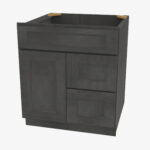
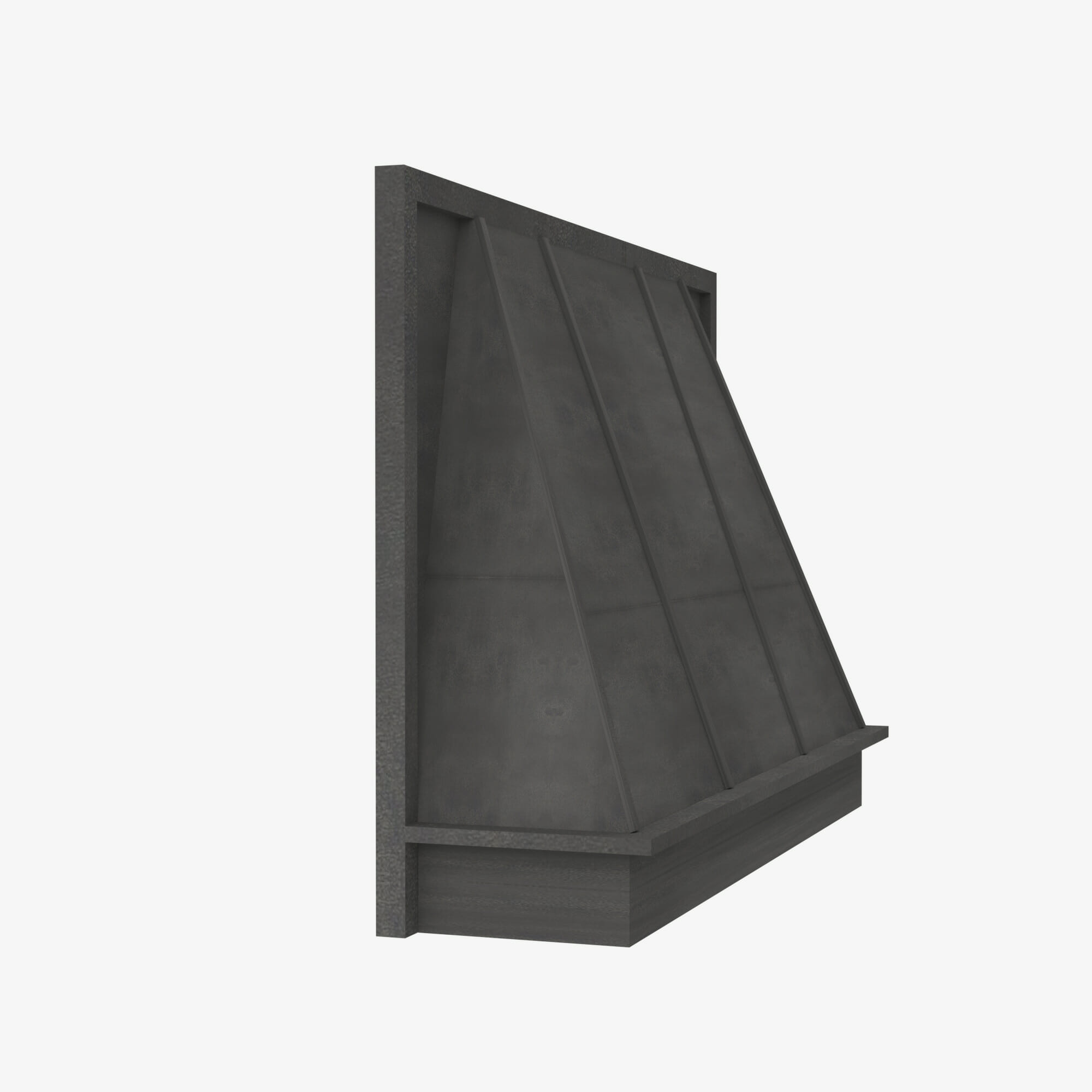 Range Hoods Wall Cabinet AA-AWH36 Forevermark Blaze Black Shaker
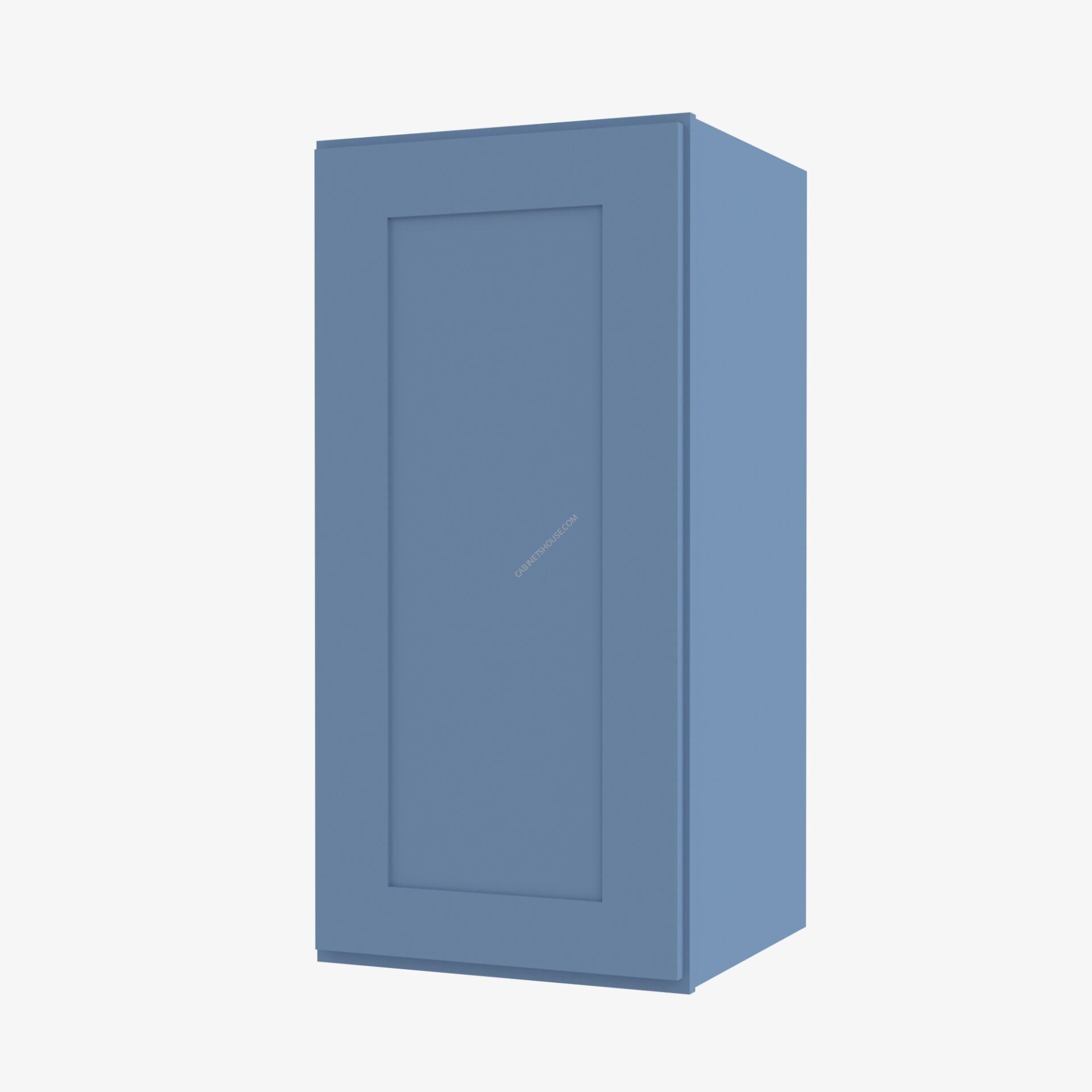 Single Door Wall Cabinet AX-W1530 Forevermark Xterra Blue Shaker
 Wall Glass Door with No Mullion and with Clear Glass TW-W1836GD Forevermark Uptown White Shaker