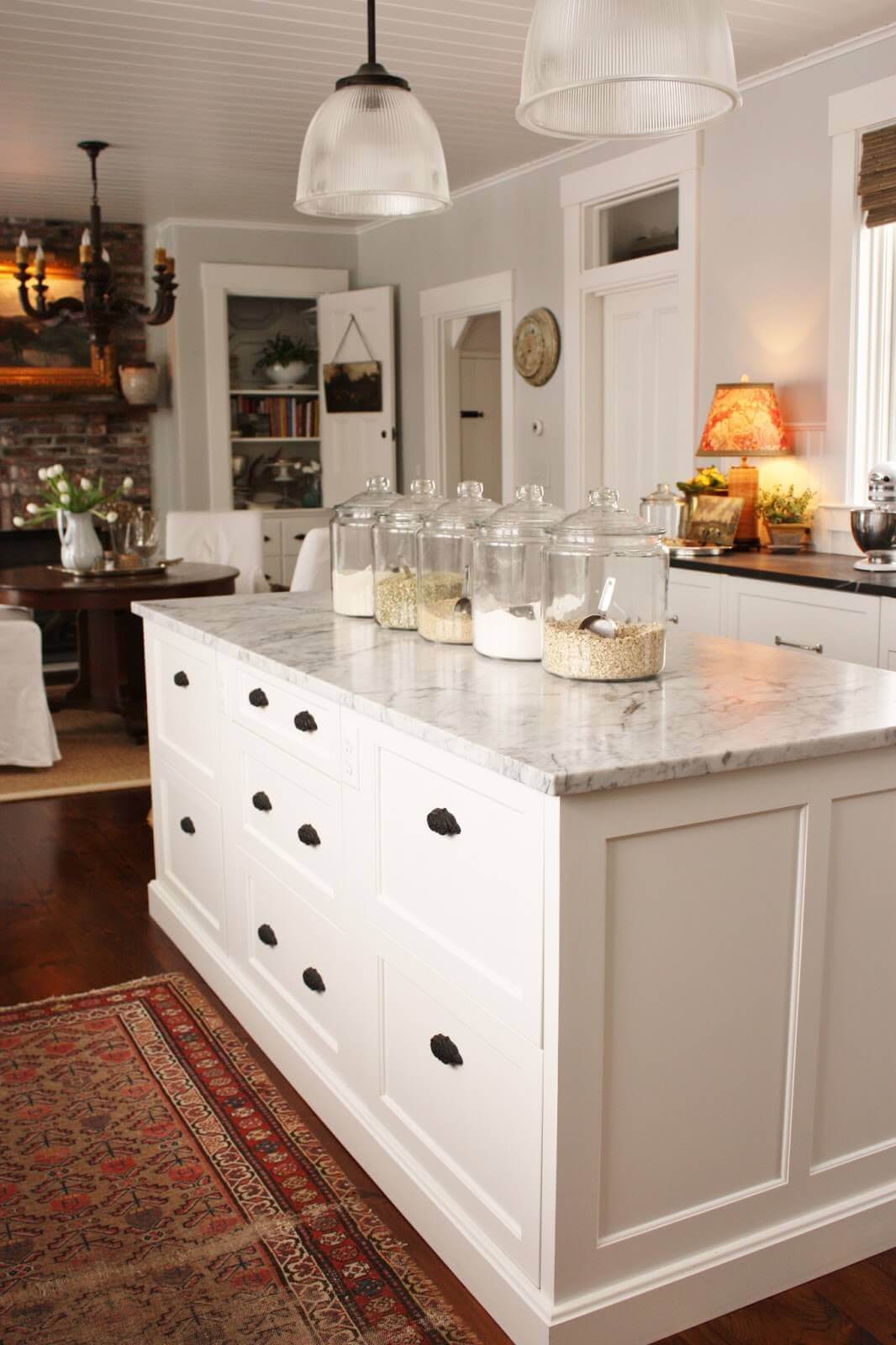
Why you should choose drawers in kitchen remodeling is an important question for homeowners who want a kitchen that is easier to organize, more comfortable to use, and better adapted to everyday life. Traditional base cabinets with doors and fixed shelves still have a place in kitchen design, but deep drawers have become increasingly popular because they provide superior accessibility and make better use of lower cabinet space.
During a kitchen remodel, storage decisions should be made according to how the household actually cooks, cleans, stores food, and uses appliances. A beautiful kitchen can quickly become frustrating when pots, pans, bowls, and small appliances are difficult to reach. Drawers help solve many of these problems by bringing the contents of a cabinet directly toward the user instead of requiring them to bend down and search through deep shelves.
Cabinets House encourages homeowners to consider drawer based storage during the earliest stages of cabinet planning. The correct combination of drawers and traditional cabinets can improve organization without compromising the overall design. Deep drawers can support cookware, shallow drawers can organize utensils, and specialized drawer systems can simplify waste management, spices, dishes, and pantry storage.
The following guide explains why drawers can be one of the most valuable upgrades in a kitchen remodeling project and how to use them effectively.
Drawers Make Lower Cabinets Easier to Access
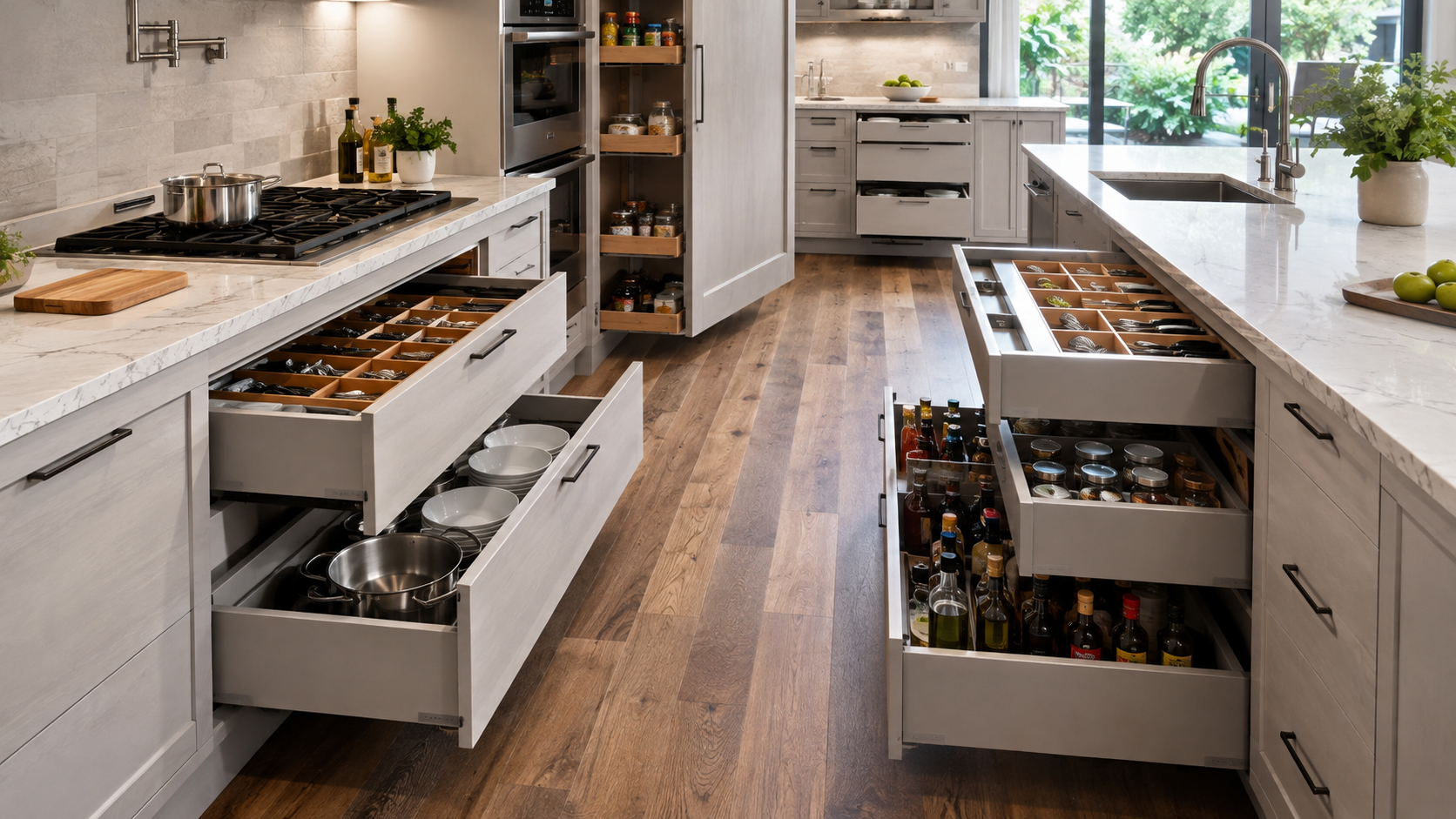
One of the strongest advantages of kitchen drawers is accessibility. Traditional base cabinets often require homeowners to bend down, open two doors, and reach toward the back of a shelf to retrieve cookware or supplies.
A drawer changes this interaction completely. When the drawer is opened, the entire storage area moves forward. Items at the back become just as accessible as items at the front.
This is especially useful for heavy objects such as pots, pans, mixing bowls, and cast iron cookware. Instead of lifting items from an awkward position, homeowners can view and retrieve them from above.
Better accessibility can also make the kitchen more comfortable for older homeowners or anyone who wants to reduce unnecessary bending and reaching during daily tasks.
Deep Drawers Improve Cookware Storage
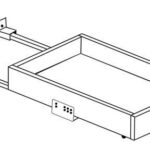
Pots and pans are among the most difficult kitchen items to organize because they vary in size and often need to be stacked. Deep drawers provide a practical solution by creating a wide, open storage area that is visible from above.
Homeowners can organize cookware by size or function and use internal dividers to prevent items from shifting. Lids can be stored vertically within the same drawer or in a separate dedicated section.
Compared with a traditional base cabinet, a deep drawer often makes it easier to see everything at once. This reduces the need to remove several items simply to reach one pan at the back.
Useful items for deep kitchen drawers include:
• Pots and pans
• Mixing bowls
• Food storage containers
• Small appliances
• Baking dishes
• Large serving pieces
This type of storage can make meal preparation significantly more efficient.
Drawers Help Reduce Wasted Cabinet Space
Traditional base cabinets can contain substantial volume, but much of that space may remain difficult to use effectively. Fixed shelves often create deep areas where small items disappear behind larger ones.
Drawers allow homeowners to use the full depth of the cabinet while keeping the contents visible. Internal organizers can divide the available space according to specific storage needs.
Wide drawers can also eliminate unnecessary vertical gaps. Instead of placing a few items on a shelf and leaving unused space above them, homeowners can choose drawer heights that correspond more closely to what will be stored.
Cabinets House often recommends evaluating the actual contents of the existing kitchen before selecting drawer configurations. This helps ensure that cabinet space is allocated according to real storage requirements rather than generic assumptions.
Drawers Create Better Kitchen Organization
A well organized kitchen should give every frequently used item a logical location. Drawers provide an excellent foundation for this approach because they can be divided into precise storage zones.
Shallow drawers work well for silverware, knives, cooking utensils, and smaller accessories. Medium drawers can hold dishes, food containers, or pantry products, while deeper drawers can accommodate cookware and appliances.
Internal organization accessories can further improve usability. Adjustable dividers, peg systems, knife blocks, and tray organizers help prevent items from moving around.
The table below illustrates how different drawer depths can support different storage needs.
| Drawer Type |
Best Use |
Main Benefit |
| Shallow Drawer |
Utensils and silverware |
Easy organization |
| Medium Drawer |
Dishes and containers |
Better visibility |
| Deep Drawer |
Pots and pans |
Improved accessibility |
| Extra Wide Drawer |
Cookware and appliances |
Maximum storage capacity |
The strongest drawer layouts usually combine multiple depths instead of using the same configuration throughout the kitchen.
Drawers Can Improve Kitchen Workflow
Storage location influences how efficiently a kitchen functions. Drawers allow homeowners to place frequently used items close to the work zone where they are needed.
Cooking utensils can remain near the range. Pots and pans can be stored directly below the cooktop. Dishes can be placed near the dishwasher, while food preparation tools can remain close to the main countertop.
This reduces unnecessary movement during everyday tasks. Rather than walking across the kitchen to retrieve an item, homeowners can design drawer storage around the actual workflow of the room.
A functional drawer plan should consider:
• Food preparation areas
• Cooking zones
• Cleaning zones
• Dishwasher location
• Refrigerator location
• Serving and dining areas
When storage follows the kitchen workflow, the room becomes more intuitive and comfortable to use.
Drawers Are Excellent for Dish Storage
Many homeowners automatically store plates and bowls in upper cabinets. However, deep drawers can provide an easier alternative.
Dish drawers keep plates and bowls at a lower height, which can make loading and unloading the dishwasher more convenient. Peg systems or adjustable dividers can prevent stacks from moving when the drawer is opened.
This approach can also free upper cabinets for lighter items such as glasses, mugs, spices, or pantry products.
Dish drawers are especially useful in kitchens with fewer upper cabinets or designs that incorporate windows and open shelving.
The result can be a more open kitchen appearance without sacrificing practical storage.
Drawers Can Support Aging in Place
Kitchen remodeling is often a long term investment, so homeowners should consider how the room will function in the future.
Drawers can support aging in place because they reduce the need to bend deeply or reach into the back of base cabinets. This can improve comfort and accessibility for older adults.
Full extension drawer slides are particularly useful because they allow the entire drawer interior to become visible and accessible.
Soft close systems can also improve daily comfort by allowing drawers to close smoothly rather than slamming.
While accessibility needs vary from one household to another, incorporating easier to reach storage during a remodel can increase the long term usability of the kitchen.
Wide Drawers Create a Cleaner Modern Appearance
Drawers can also contribute to the visual design of the kitchen. Wide drawer fronts create strong horizontal lines that support modern and contemporary interiors.
A base cabinet with several wide drawers often appears more streamlined than multiple narrow doors and smaller drawer fronts. This can reduce visual fragmentation along the lower cabinet run.
Flat panel drawers work particularly well in minimalist kitchens, while shaker drawer fronts can provide a balanced transitional appearance.
Forevermark Cabinets can be considered when homeowners want cabinet styles that support both practical drawer storage and modern or transitional kitchen design.
The important point is that drawer configuration should contribute to both function and visual balance.
Drawers Work Well in Kitchen Islands
Kitchen islands provide excellent opportunities for drawer storage because they are often positioned close to preparation, cooking, and serving zones.
Deep island drawers can hold cookware, mixing bowls, and serving pieces. Shallow drawers can organize utensils or linens, while specialized drawers can store spices or baking tools.
If the island includes seating, drawers can be placed on the working side while cabinets or decorative panels remain on the seating side.
An island can also include dedicated waste and recycling drawers, allowing cleanup tasks to remain close to the main preparation area.
This makes the island more than a countertop surface. It becomes an organized storage and workflow center.
Drawers Can Hide Waste and Recycling
Pull out waste drawers are among the most practical additions to a remodeled kitchen.
Trash and recycling containers can be integrated inside a deep cabinet drawer, keeping them out of sight while maintaining easy access.
These systems are especially effective near the sink, dishwasher, or primary food preparation area. Placing waste storage close to where scraps are generated simplifies cleanup.
Dual container systems can separate general waste from recycling, while larger configurations may accommodate additional categories.
Integrated waste drawers also support a cleaner visual appearance by eliminating freestanding trash containers from the floor.
Drawers Can Store Small Appliances
Countertop clutter is a common problem in busy kitchens. Toasters, blenders, mixers, coffee accessories, and food processors can quickly consume valuable preparation space.
Deep drawers provide an alternative storage location for appliances that are not used continuously.
Items can be stored close to the area where they will be used, making it easier to retrieve them when needed and return them after use.
Homeowners should consider appliance dimensions and weight before selecting drawer hardware. Heavy appliances require dependable slides and appropriate cabinet construction.
A drawer designed around actual appliance sizes will provide better long term usability than a generic storage area.
Soft Close and Full Extension Hardware Improve the Experience
Drawer quality depends heavily on the hardware supporting it. A well designed drawer should open smoothly, remain stable under load, and provide access to the entire storage area.
Full extension slides allow the drawer to move completely outward so items at the back remain visible. Soft close systems control the final portion of movement and prevent drawers from slamming.
These features may seem minor during the planning stage, but they become noticeable through repeated daily use.
Quality hardware can also support heavier loads, which is especially important in drawers containing cookware, dishes, or appliances.
Homeowners should therefore evaluate drawer slides and construction alongside the visible cabinet door style.
Are Drawers More Expensive Than Standard Cabinets?
Drawer base cabinets may cost more than traditional door cabinets because they require additional drawer boxes, slides, hardware, and manufacturing components.
However, initial price should be evaluated against everyday functionality. A less expensive cabinet that is difficult to use may provide lower long term value than a drawer system that improves accessibility and storage efficiency every day.
Homeowners do not necessarily need drawers everywhere. Strategic placement can provide strong benefits while keeping the project within budget.
Priority locations often include:
• Cookware storage
• Food preparation zones
• Kitchen islands
• Dish storage
• Waste and recycling areas
• Frequently used base cabinets
This targeted approach allows homeowners to invest in drawers where they deliver the greatest practical benefit.
When Traditional Cabinets May Still Be Better
Drawers are highly useful, but they are not the ideal solution for every storage need.
Very tall items may fit better inside a standard base cabinet with adjustable shelving. Certain plumbing areas, such as sink cabinets, may also require traditional doors because pipes reduce the available drawer depth.
Large specialty appliances may need cabinet configurations that cannot easily accommodate standard drawer systems.
The strongest kitchen design usually combines several storage types rather than relying exclusively on drawers.
For example, a balanced layout might include deep drawers for cookware, a traditional sink base cabinet, tall pantry storage, and upper cabinets for glassware.
Cabinets House can help homeowners determine where drawers create meaningful improvements and where conventional cabinets remain more practical.
Plan Drawer Storage Before Ordering Cabinets
Drawer decisions should be made early in the remodeling process because they influence cabinet dimensions, layout, cost, and internal organization.
Begin by creating an inventory of the items currently stored in the kitchen. Measure larger cookware, appliances, and specialty equipment that may require dedicated space.
Then assign these items to specific areas according to kitchen workflow.
A practical drawer planning process includes:
• Identify items used every day
• Measure large cookware and appliances
• Determine ideal drawer depths
• Select internal organizers
• Consider weight capacity
• Confirm soft close and full extension hardware
• Coordinate drawer widths with the overall cabinet design
Early planning reduces the risk of discovering after installation that a drawer is too shallow or narrow for the items it was intended to hold.
Why Cabinets House Recommends Functional Cabinet Planning
Kitchen remodeling should improve the way the room works, not simply change its appearance.
Cabinets House helps homeowners evaluate cabinet layouts according to actual daily routines. Storage planning can consider cookware, dishes, pantry products, appliances, cleaning supplies, and waste systems before the final cabinet order is placed.
Drawers are often an important part of this process because they improve visibility and accessibility in lower cabinet areas.
By combining appropriate drawer storage with quality cabinetry, homeowners can create a kitchen that feels easier to use from the first day of installation.
Conclusion: Kitchen Remodeling
why you should choose drawers in kitchen remodeling comes down to accessibility, organization, storage efficiency, and everyday convenience. Deep drawers allow homeowners to see and reach cookware more easily, shallow drawers keep utensils organized, and specialized drawer systems can support dishes, waste containers, appliances, and pantry products.
Drawers can also contribute to a cleaner modern appearance by creating strong horizontal lines and reducing visual fragmentation along lower cabinets. When equipped with full extension and soft close hardware, they can provide a noticeably more refined user experience.
However, the best kitchens do not necessarily replace every cabinet with drawers. Traditional cabinets, pantry units, and specialized storage still have important roles. The objective is to use each cabinet type where it performs best.
With thoughtful planning, quality options such as Forevermark Cabinets, and guidance from Cabinets House, homeowners can incorporate drawers strategically and create a remodeled kitchen that offers better organization, easier access, and lasting everyday functionality.

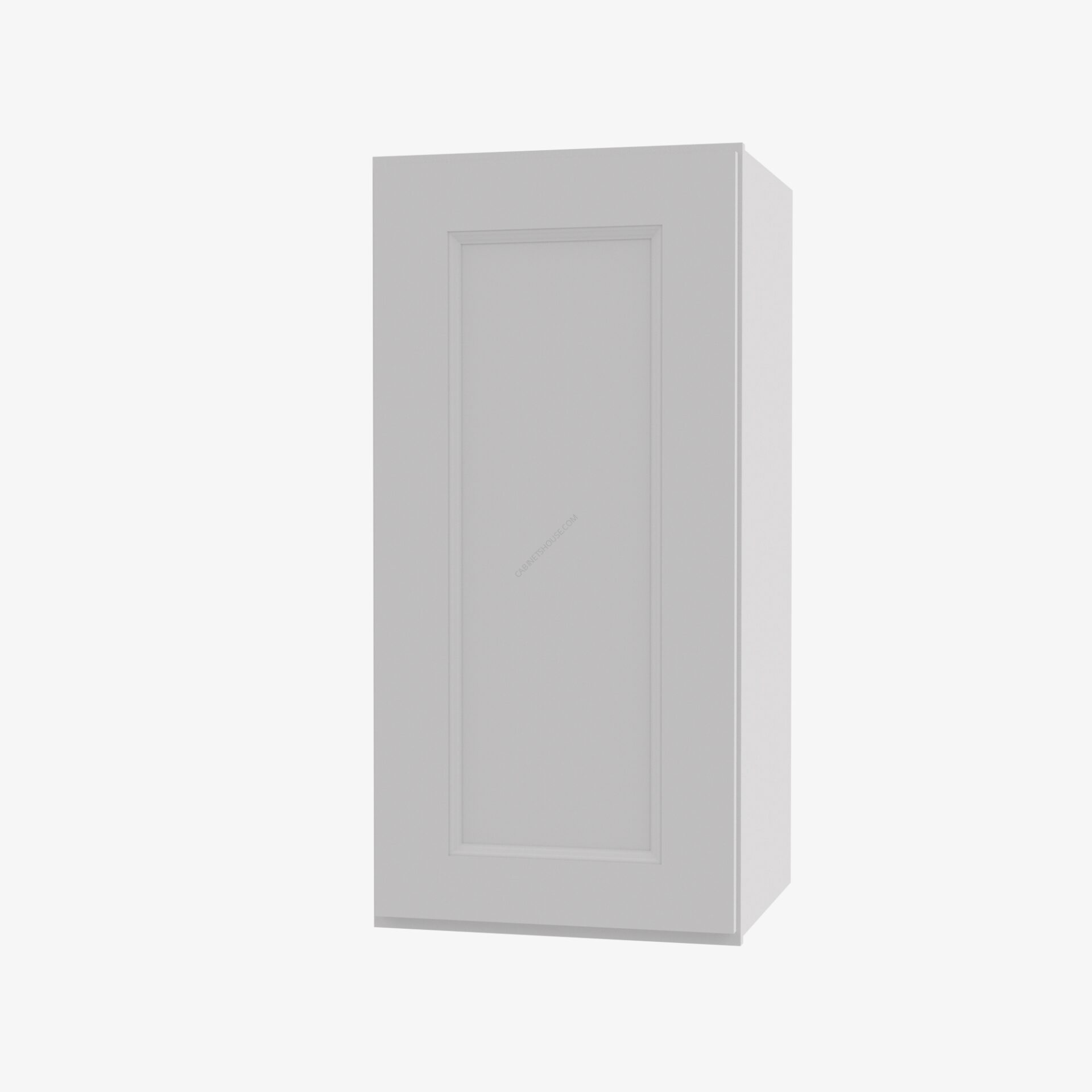
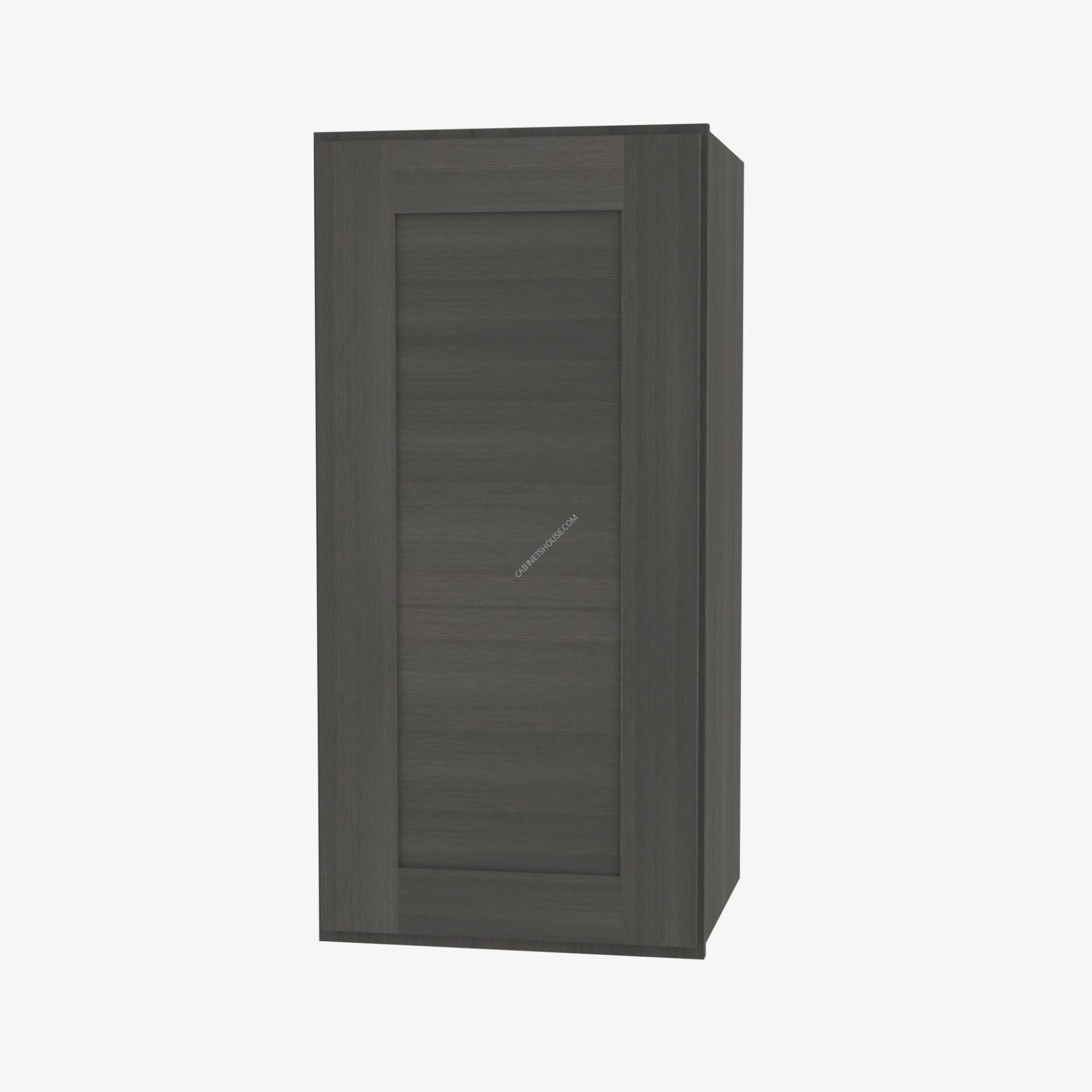 Single Door Wall Cabinet AG-W2136-3 Forevermark Greystone Shaker
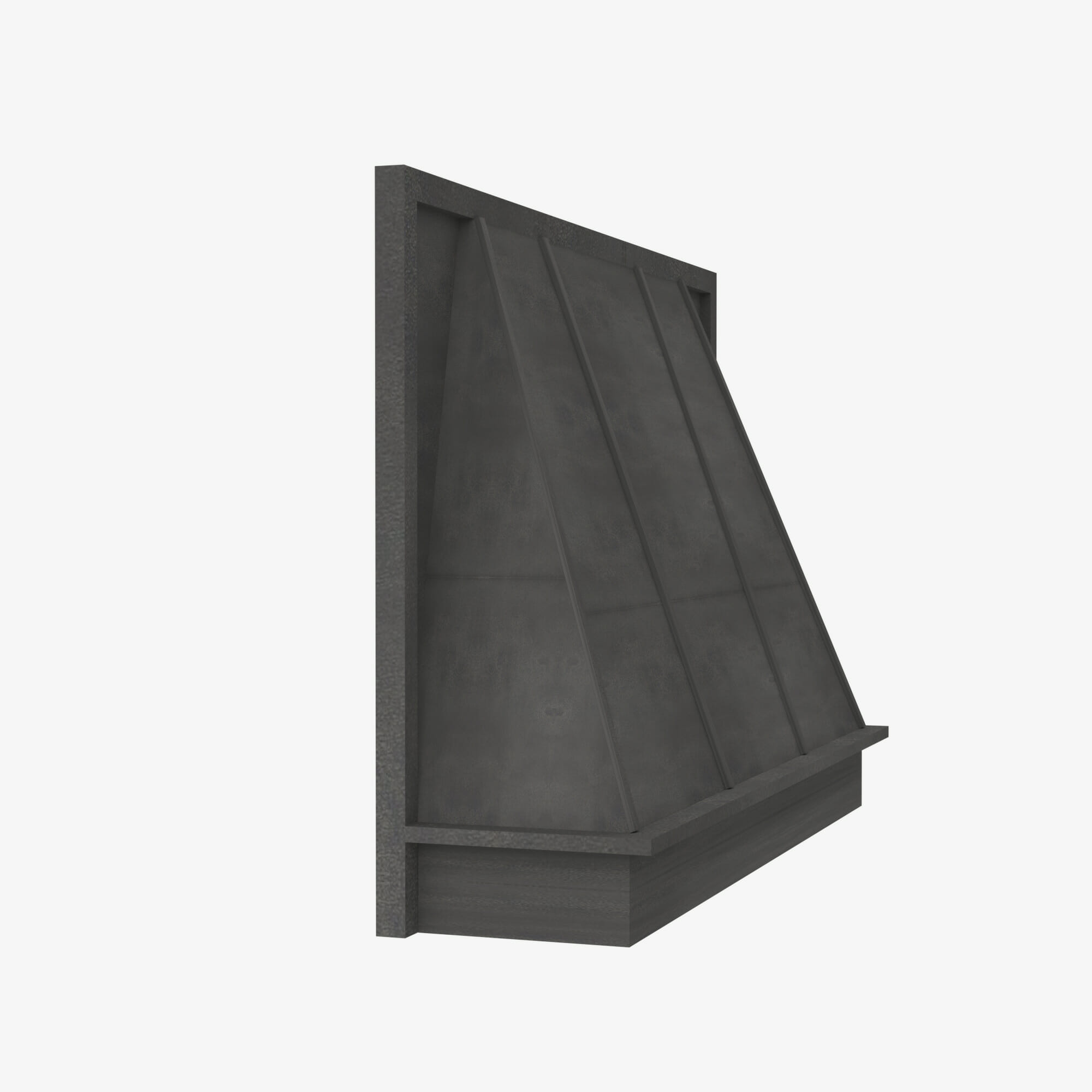 Range Hoods Wall Cabinet AA-AWH36 Forevermark Blaze Black Shaker
 Wall Glass Door with No Mullion and with Clear Glass TW-W1542GD Forevermark Uptown White Shaker