Cool and sleek designs for your espresso kitchen cabinets can transform an ordinary kitchen into a sophisticated, welcoming, and functional space. Espresso cabinetry is known for its rich, deep brown finish, which can appear nearly black under certain lighting conditions. This distinctive color brings depth and elegance to kitchen interiors while offering an alternative to conventional white, grey, or natural wood cabinets.
Unlike lighter cabinetry, espresso kitchen cabinets create a strong visual foundation. Their dark finish can highlight countertops, backsplashes, hardware, and architectural details. When combined with the right materials, espresso cabinets can support modern, transitional, and traditional kitchens without making the space feel excessively dark.
However, successful espresso kitchen design requires careful planning. Dark cabinetry absorbs more light than pale finishes, making countertop selection, lighting, flooring, and layout particularly important. The objective is to balance the richness of espresso with materials that introduce brightness, texture, and visual openness.
At Cabinets House, kitchen cabinet selection involves more than finding an attractive finish. Homeowners should consider construction quality, cabinet configuration, storage requirements, and compatibility with the surrounding materials. The following design ideas explain how to create a stylish espresso kitchen that feels contemporary, comfortable, and practical.
Why Espresso Kitchen Cabinets Remain a Stylish Choice
Espresso cabinets offer a distinctive appearance that works across several interior design styles. Their deep brown color introduces warmth while creating stronger contrast than medium-toned wood finishes. Depending on the cabinet door profile and surrounding materials, espresso cabinetry can appear dramatic, traditional, or remarkably contemporary.
One advantage of espresso is its versatility with neutral colors. White countertops, cream backsplashes, light grey walls, and warm metallic hardware can all complement the dark cabinet finish. This flexibility allows homeowners to develop different visual directions without changing the primary cabinetry.
Espresso finishes can also emphasize architectural details. Shaker doors, recessed panels, and carefully selected hardware become more noticeable when paired with contrasting countertops and lighting. In larger kitchens, espresso cabinetry can create a grounded appearance that makes the room feel cohesive.
The main consideration is visual balance. Using espresso on every surface may create an enclosed atmosphere, particularly in kitchens with limited daylight. Combining dark cabinets with lighter materials generally produces a more comfortable result.
1. Pair Espresso Cabinets With White Countertops
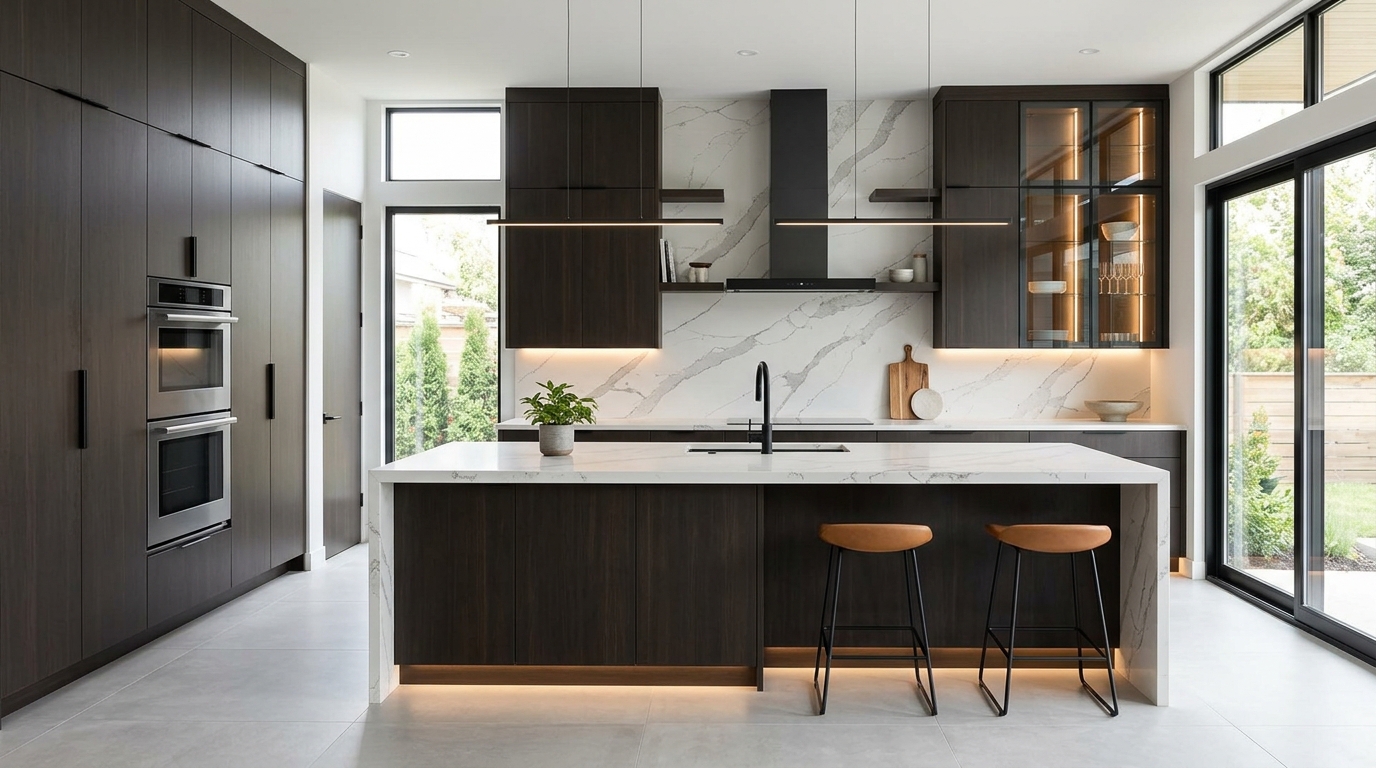
White countertops are among the most effective ways to create contrast with espresso cabinetry. The combination provides a clean separation between dark cabinet surfaces and bright work areas, helping the kitchen feel more open.
Quartz countertops with subtle veining can create a refined appearance without introducing excessive visual complexity. White surfaces with restrained grey or warm-toned patterns can complement the richness of espresso while remaining versatile.
For a modern kitchen, consider simple countertop edge profiles and minimal decorative detailing. Clean horizontal lines allow the dark cabinetry to become the main visual feature.
Lighting should also be evaluated carefully. Under-cabinet illumination can brighten white countertops and reduce shadows created by dark upper cabinets. This combination improves both the visual atmosphere and everyday food preparation.
2. Combine Espresso Cabinets With Light Wood Flooring
Flooring has a substantial influence on how dark kitchen cabinets appear. Light wood floors can soften the contrast and prevent espresso cabinetry from dominating the entire room.
Oak-inspired flooring, natural wood tones, and other light neutral finishes can introduce warmth while maintaining a brighter foundation. The contrast between dark cabinets and lighter floors also helps define the cabinetry.
Medium wood flooring can work successfully, particularly when the countertop and backsplash remain light. However, homeowners should compare wood undertones carefully. Espresso cabinets may have warm or relatively neutral undertones depending on the finish.
Very dark floors can create a dramatic appearance, but they may make smaller kitchens feel visually heavy. Adequate daylight, light countertops, and carefully planned artificial lighting become especially important in these combinations.
3. Choose Sleek Shaker Cabinet Doors
Cabinet door style plays an important role in determining whether espresso cabinetry feels traditional or contemporary. Shaker doors offer a useful balance because their recessed center panels provide architectural detail without excessive ornamentation.
Espresso shaker cabinets can work particularly well in transitional kitchens. Paired with white quartz countertops and simple hardware, they create a refined appearance that combines classic proportions with modern materials.
Homeowners comparing collections such as Forevermark Cabinets should evaluate available door profiles, finish specifications, and cabinet configurations rather than assuming that all dark shaker cabinets are identical.
The proportions of the door frame can influence the overall appearance. Narrower, simpler profiles tend to feel more contemporary, while wider framing may support a more traditional kitchen.
4. Create a Modern Look With Minimalist Hardware
Cabinet hardware may seem like a minor detail, but it can significantly change the appearance of espresso kitchen cabinets. Handles and knobs repeat throughout the room, making their finish and proportions visually important.
Brushed nickel and stainless steel finishes can create crisp contrast against dark cabinetry. These options are particularly effective in modern kitchens featuring stainless steel appliances and light countertops.
Matte black hardware can produce a more understated appearance. However, black pulls may blend into very dark espresso doors, so homeowners should evaluate whether sufficient visual definition remains.
Warm metallic finishes, including brushed brass-inspired hardware, can introduce a softer and more decorative character. The best choice depends on the desired design direction and the finishes used elsewhere in the kitchen.
5. Use a Light Backsplash to Balance Dark Cabinetry
A backsplash provides an opportunity to introduce brightness between upper and lower espresso cabinets. White subway tile, warm neutral ceramic tile, and lightly textured surfaces can all create an attractive contrast.
For a contemporary appearance, large-format backsplash materials can reduce visible grout lines and create a more continuous surface. This can be especially effective when paired with simple cabinet doors.
A backsplash with subtle texture may add visual interest without competing with the rich espresso finish. Handmade-style tile, restrained stone patterns, and soft neutral colors can provide depth.
Avoid selecting a backsplash independently from the countertop. Both surfaces should coordinate so the area between upper and lower cabinets feels unified rather than visually fragmented.
6. Introduce a Contrasting Kitchen Island
A contrasting island can make an espresso kitchen feel more dynamic. Instead of using dark cabinetry throughout the entire room, homeowners can introduce a lighter island that becomes the central focal point.
White or cream island cabinets can create a bright visual break. Natural wood may also work, particularly when the objective is to soften the room and introduce additional texture.
The island countertop can coordinate with the perimeter countertops or use a complementary material. Maintaining some consistency helps prevent the kitchen from appearing overly complicated.
Function should remain the priority. An island can incorporate deep drawers, cookware storage, waste pull-outs, and seating, but its dimensions must allow comfortable movement around surrounding cabinets and appliances.
7. Make Espresso Cabinets Work in a Small Kitchen
Espresso cabinetry is not limited to large kitchens. Smaller rooms can accommodate dark finishes when the layout and surrounding materials are carefully balanced.
One strategy is to use espresso base cabinets with lighter upper cabinets. This places visual weight closer to the floor while maintaining brightness near eye level.
Another option is to use espresso cabinetry on one wall or a selected cabinet section. The remaining cabinets can feature a lighter finish to create contrast and prevent the room from feeling enclosed.
Keeping countertops clear also makes a significant difference. Deep drawers, pantry organizers, and accessible cabinet storage can reduce visual clutter, allowing the kitchen to feel more spacious despite the darker cabinetry.
8. Add Layered Lighting for a Brighter Kitchen
Lighting is essential in kitchens with espresso cabinets because dark surfaces absorb more light than pale cabinetry. A single ceiling fixture may not provide sufficient illumination across countertops, corners, and storage areas.
A layered lighting plan combines general illumination, task lighting, and decorative fixtures. Recessed ceiling lights can provide broad coverage, while under-cabinet lighting improves visibility at work surfaces.
Pendant lights can define the kitchen island and introduce additional decorative character. Their finish should coordinate with cabinet hardware and other fixtures.
Natural daylight should also be preserved whenever possible. Avoid blocking windows with tall cabinetry or unnecessary decorative elements. The combination of daylight and properly positioned artificial lighting can make espresso cabinetry appear richer without making the room feel dark.
9. Incorporate Glass-Front Cabinets
Glass-front cabinets can reduce the visual weight of solid espresso upper cabinetry. Instead of presenting a continuous wall of dark doors, selected glass sections introduce depth and create opportunities for display.
Clear glass works well for organized dishware, glasses, and serving pieces. Textured or frosted glass can provide a lighter appearance while concealing some of the cabinet contents.
Interior cabinet lighting can enhance the effect, particularly in larger kitchens. Illuminated glass cabinets create visual contrast and can contribute to the room’s evening atmosphere.
Glass fronts should be used selectively. Too many display cabinets can introduce clutter if the contents are not carefully organized. A few strategically positioned sections usually provide a stronger result.
10. Improve Functionality With Smart Cabinet Storage
An attractive espresso kitchen should also provide efficient storage. Cabinet color alone does not determine how comfortable the room will be during everyday activities.
Deep drawers are useful for cookware, mixing bowls, and food containers. Pull-out shelves can improve access to items stored in lower cabinets, while pantry organizers help keep dry goods visible.
Practical storage features include:
-
Full-extension drawers for cookware
-
Adjustable pantry shelving
-
Pull-out spice organizers
-
Vertical dividers for trays and cutting boards
-
Integrated waste and recycling storage
-
Drawer inserts for utensils
-
Under-sink organizers
-
Dedicated small-appliance storage
The best storage configuration depends on how the household uses the kitchen. Frequently used items should remain close to their associated work areas, while less frequently used products can occupy higher or more remote cabinets.
11. Mix Espresso Cabinets With Natural Materials
Espresso cabinets can appear especially attractive when paired with materials that introduce natural texture. Wood, stone, ceramic, and carefully selected woven accessories can soften the strong visual character of dark cabinetry.
Natural wood stools or open shelves can provide warmth without requiring an additional cabinet finish. Light stone countertops and textured backsplashes can create contrast while maintaining a restrained palette.
Indoor plants can also introduce a small amount of natural color. Green foliage often works well against dark brown cabinetry, particularly when the kitchen receives adequate daylight.
The goal is not to fill the room with decorative objects. A few coordinated materials can create a more sophisticated appearance than numerous unrelated accessories.
Best Color Combinations for Espresso Kitchen Cabinets
Choosing complementary colors is essential when designing a kitchen around espresso cabinetry. The following combinations can support different design preferences.
| Color Combination |
Design Effect |
Best Application |
| Espresso + White |
Crisp and sophisticated |
Modern and transitional kitchens |
| Espresso + Cream |
Warm and welcoming |
Traditional and transitional kitchens |
| Espresso + Light Grey |
Balanced and contemporary |
Modern kitchens |
| Espresso + Natural Oak |
Organic and comfortable |
Open-concept kitchens |
| Espresso + Sage Green |
Soft natural contrast |
Accent walls and accessories |
| Espresso + Brushed Nickel |
Clean and refined |
Hardware and fixtures |
| Espresso + Warm Brass |
Elegant and decorative |
Hardware and lighting |
Homeowners should compare physical samples under actual kitchen lighting. Espresso finishes can appear almost black in dim environments, while stronger lighting may reveal more of their brown undertones.
Are Espresso Kitchen Cabinets Still in Style?
Espresso kitchen cabinets remain a viable design choice, although lighter wood finishes, warm whites, and muted colors are prominent in contemporary kitchen design. Dark cabinetry continues to appeal to homeowners who prefer contrast, depth, and a more dramatic atmosphere.
The long-term success of espresso cabinetry depends less on following trends and more on the overall design. Simple door profiles, coordinated countertops, appropriate lighting, and efficient storage can help the kitchen maintain a balanced appearance.
Espresso can also be used selectively rather than throughout the entire room. A dark island, lower cabinet section, or pantry wall can provide the desired richness without dominating the space.
Homeowners should consider the home’s architecture and available natural light before committing to a complete espresso kitchen. A finish that works beautifully in a large, bright room may require a different material strategy in a smaller kitchen.
How to Maintain Espresso Kitchen Cabinets
Dark cabinetry can reveal dust, fingerprints, water spots, and certain types of surface residue, particularly on smooth or glossy finishes. Proper maintenance helps preserve the appearance of espresso cabinets.
Use a soft cloth and cleaning products appropriate for the cabinet finish. Avoid abrasive materials and harsh chemicals unless specifically approved by the manufacturer.
Wipe away moisture promptly, especially near sinks, dishwashers, and cooking areas. Prolonged water exposure can damage cabinet materials and finishes regardless of color.
Hinges and drawer slides should also be inspected periodically. Maintaining proper alignment helps cabinet doors and drawers operate smoothly and reduces unnecessary wear.
How to Choose Quality Espresso Kitchen Cabinets
Construction quality should remain a priority when selecting espresso cabinetry. An attractive finish cannot compensate for unstable cabinet boxes, weak shelving, or poorly functioning drawer systems.
Evaluate cabinet materials, assembly methods, hinges, drawer slides, finish quality, and available configurations. Product specifications provide a more reliable basis for comparison than photographs alone.
The layout also affects long-term satisfaction. Properly positioned drawers, accessible pantry storage, and adequate appliance clearances can make the kitchen more efficient.
At Cabinets House, homeowners can compare cabinet styles and configurations while considering their overall remodeling requirements. Collections such as Forevermark Cabinets may be part of the selection process, depending on the desired finish, door style, and available product options.
Why Choose Cabinets House for Your Kitchen Cabinet Project?
Selecting kitchen cabinets requires coordination among design preferences, room dimensions, storage needs, materials, and budget. Espresso cabinetry adds another consideration because the surrounding finishes strongly influence the final appearance.
Cabinets House helps homeowners evaluate cabinet configurations and design possibilities with attention to both appearance and practical functionality.
A successful kitchen design should account for countertop compatibility, backsplash selection, flooring, lighting, hardware, and everyday storage requirements before cabinetry is ordered.
Whether the objective is a modern kitchen with white countertops or a transitional space combining espresso cabinets with natural wood, careful planning can produce a cohesive and functional result.
Frequently Asked Questions About Espresso Kitchen Cabinets
What Color Countertops Look Best With Espresso Cabinets?
White, cream, and light neutral countertops create attractive contrast with espresso cabinetry. Quartz with subtle veining can provide a contemporary appearance, while warmer stone-inspired finishes may create a softer atmosphere.
Do Espresso Cabinets Make a Kitchen Look Smaller?
Dark cabinets can make a room feel more enclosed when combined with insufficient lighting and other dark surfaces. Light countertops, coordinated flooring, glass-front cabinets, and layered lighting can help maintain visual openness.
What Flooring Works With Espresso Kitchen Cabinets?
Light oak-inspired flooring, warm neutral wood tones, and selected light tile finishes can complement espresso cabinetry. The ideal choice depends on the cabinet undertones and the overall kitchen design.
Are Espresso Cabinets Suitable for Modern Kitchens?
Yes. Espresso cabinets can support contemporary kitchens when paired with simple door profiles, restrained hardware, light countertops, and clean architectural lines.
Should I Use Espresso Cabinets Throughout the Kitchen?
Not necessarily. Espresso can be used throughout a well-lit kitchen or introduced selectively through an island, base cabinets, or a pantry wall. The appropriate balance depends on room size, lighting, and personal preference.
Conclusion
Cool and sleek designs for your espresso kitchen cabinets demonstrate how dark cabinetry can create an elegant, distinctive, and functional kitchen. The rich brown finish provides visual depth, while lighter countertops, coordinated backsplashes, natural materials, and carefully planned lighting help maintain balance.
Espresso cabinetry can complement shaker doors, minimalist hardware, contrasting islands, glass-front cabinets, and modern storage solutions. These elements allow homeowners to personalize the kitchen without compromising functionality.
The most successful designs consider the entire room rather than focusing exclusively on cabinet color. Flooring, countertop materials, lighting, storage, and circulation should work together to create a comfortable environment.
With thoughtful planning, quality cabinetry, and support from Cabinets House, homeowners can create an espresso kitchen that combines sophisticated style, efficient organization, and lasting everyday appeal.

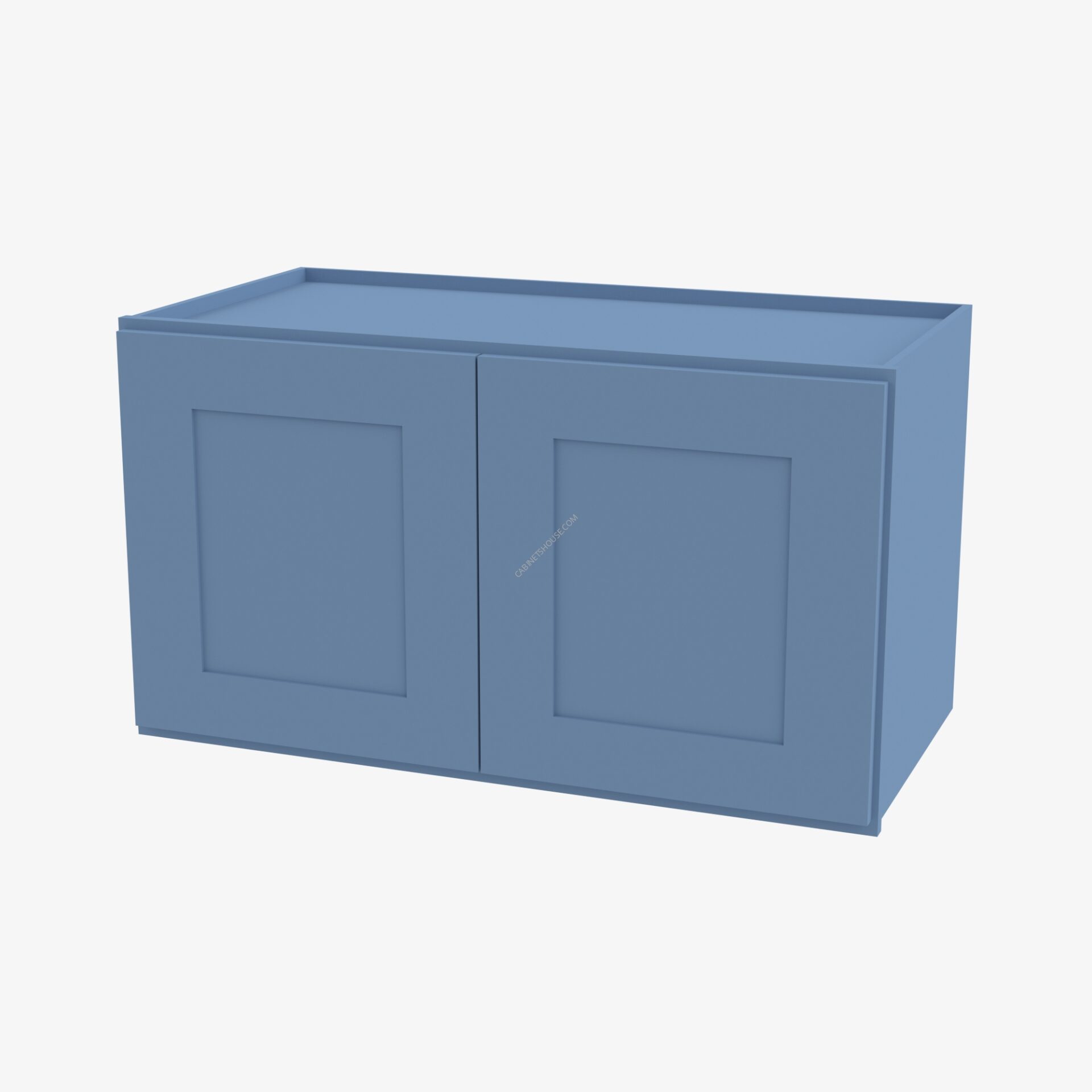 Double Door Wall Cabinet AX-W2418B Forevermark Xterra Blue Shaker
 Trash Can Tray PR-TCR15 Forevermark Champagne Maple Shaker
 Trash Can Tray PR-TCR21-2 Forevermark Champagne Maple Shaker