11 amazing modern kitchen cabinets can provide the inspiration homeowners need to create a kitchen that feels organized, stylish, and prepared for everyday life. Modern cabinetry is no longer defined only by glossy doors or extremely minimal spaces. Today, modern kitchen design includes warm wood tones, refined shaker profiles, integrated storage, balanced colors, and practical layouts that make the room more comfortable to use.
Kitchen cabinets determine far more than the visual character of the space. They control storage capacity, influence workflow, and affect how easily family members can prepare meals, clean surfaces, and organize household essentials. A cabinet style may look impressive in a showroom, but it must also fit the dimensions, lighting, architecture, and daily demands of the home.
Homeowners across the United States increasingly prefer kitchens that combine contemporary details with long term design value. Instead of selecting cabinetry based on a single trend, they are choosing finishes and configurations that can remain attractive as countertops, hardware, lighting, and decorative preferences change.
Cabinets House helps homeowners compare modern cabinet options according to room size, storage requirements, budget, and overall design direction. The following eleven cabinet ideas offer different ways to create a modern kitchen without sacrificing practicality or lasting appeal.
What Defines Modern Kitchen Cabinets
Modern kitchen cabinets generally feature clean lines, controlled detailing, and carefully organized surfaces. Flat panel doors remain strongly associated with contemporary design, but simple shaker doors can also create a modern appearance when combined with updated colors, restrained hardware, and uncluttered layouts.
The modern kitchen also places a strong emphasis on storage. Deep drawers, tall pantry cabinets, integrated waste systems, and concealed appliance storage help maintain clear countertops. This organization supports the calm visual appearance that homeowners often want from a contemporary kitchen.
Color and finish also influence whether cabinetry feels modern. Warm white, soft greige, natural oak, charcoal, muted green, and deep blue can all work effectively. The strongest designs usually rely on one dominant finish and one carefully selected accent rather than several competing colors.
Material coordination completes the modern look. Cabinetry should work naturally with flooring, countertops, backsplash materials, appliances, lighting, and hardware. When these elements are considered together, the kitchen feels intentional rather than assembled from unrelated trends.
Eleven Modern Cabinet Ideas Worth Considering
The best cabinet style depends on how the kitchen will be used and what atmosphere the homeowner wants to create. Some designs emphasize simplicity, while others introduce warmth, contrast, or architectural character. The following ideas can be adapted to kitchens of different sizes and layouts.
Each option should be evaluated in relation to lighting and room proportions. A dark cabinet color may look sophisticated in a large, bright kitchen but feel visually heavy in a small room with limited natural light. A lighter finish may support openness but require contrast from countertops, hardware, or flooring.
Storage requirements should also guide the decision. Households that cook frequently may benefit from wide drawers, dedicated tray storage, and tall pantry cabinets. Homeowners who entertain regularly may prioritize island storage, glass front display cabinets, or beverage stations.
Cabinets House recommends reviewing complete cabinet samples under the lighting conditions of the home before making a final decision. Colors and textures can appear significantly different under natural daylight, recessed lighting, and warm decorative fixtures.
1. Flat Panel White Cabinets
Flat panel white cabinets create one of the cleanest modern kitchen appearances. Their smooth surfaces reduce visual interruption and allow other materials, such as countertops or backsplashes, to become the main decorative features.
White cabinetry also reflects light, which can make smaller kitchens appear more open. This is particularly valuable in apartments, townhomes, and compact homes where every design decision influences the perception of space.
To prevent the kitchen from feeling overly plain, homeowners can introduce natural wood flooring, textured tile, or warm metallic hardware. These materials soften the simplicity while preserving the contemporary direction.
Flat panel white cabinets work best when alignment is precise. Consistent reveals, straight cabinet runs, and carefully planned appliance openings contribute to the polished appearance.
2. Slim Shaker Cabinets
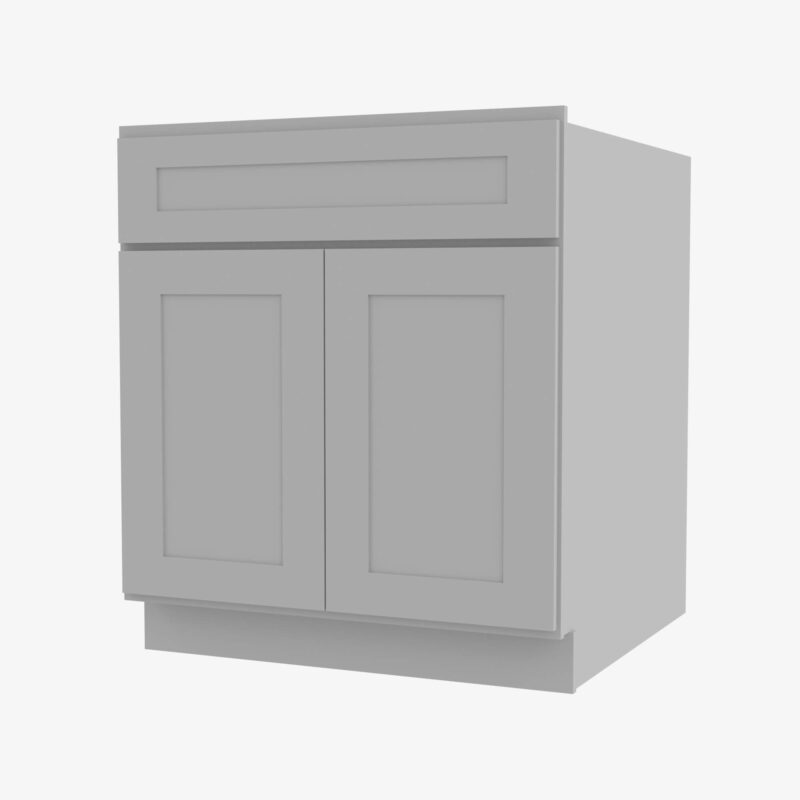
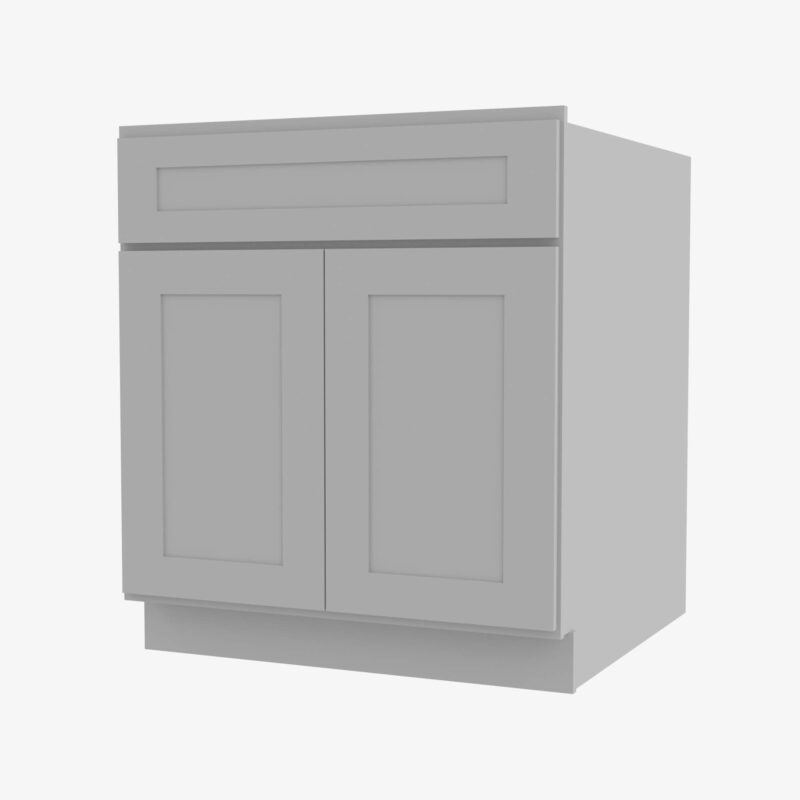
Slim shaker cabinets offer a modern alternative for homeowners who want more detail than a completely flat door provides. The narrow frame introduces subtle architectural interest without making the kitchen feel traditional.
This style works especially well in transitional homes where contemporary materials must coordinate with familiar architectural features. It can support both warm and cool color palettes depending on the chosen finish.
Slim shaker cabinets are also highly adaptable. Hardware can be changed over time, allowing the kitchen to move from a restrained modern look toward a warmer or more decorative style without replacing the cabinetry.
Forevermark Cabinets include versatile door styles that can support modern and transitional kitchens when paired with the right finish, countertop, and hardware combination.
3. Natural Oak Cabinets
Natural oak cabinets bring warmth into modern kitchens while maintaining a clean and organic appearance. Lighter oak inspired tones are especially popular because they add texture without making the room feel dark.
The visible grain creates character, allowing the cabinet material itself to become a decorative feature. As a result, homeowners can keep lighting, hardware, and backsplash selections relatively simple.
Natural oak works beautifully with white quartz, cream stone, matte black fixtures, and brushed metal finishes. These combinations create balance between organic texture and contemporary structure.
Oak cabinetry also provides an effective way to connect the kitchen with wood flooring, dining furniture, or nearby living spaces in an open floor plan.
4. Two Tone Cabinet Designs
Two tone kitchens combine different cabinet colors or materials to create contrast. A common approach uses light perimeter cabinets with a darker or natural wood island.
This method introduces personality without allowing a bold color to dominate the entire kitchen. It can also help visually separate cooking, dining, and social zones within an open layout.
The two finishes should share a common undertone or coordinate with another material in the room. Repeating the island color in seating, lighting, or flooring helps the composition feel connected.
Homeowners should avoid combining too many cabinet finishes. Two carefully selected options usually create a stronger modern result than several competing colors.
5. Matte Black Cabinets
Matte black cabinets deliver dramatic contemporary character. They can create an elegant focal point when used in larger kitchens with strong natural or artificial lighting.
The matte surface reduces reflection and gives the cabinetry a softer appearance than high gloss black. This helps the kitchen feel sophisticated rather than overly theatrical.
Light countertops, pale flooring, and warm wood accents can balance the visual weight. Integrated lighting is also important because dark cabinet surfaces absorb more light than white or natural wood finishes.
Matte black may be used throughout the kitchen or limited to an island, pantry wall, or selected base cabinets for a more controlled design.
6. Warm Greige Cabinets
Greige blends grey and beige, creating a neutral cabinet color with greater warmth than cool grey. It has become a practical choice for homeowners seeking a modern kitchen that still feels comfortable and residential.
The color coordinates naturally with white quartz, beige stone, natural wood, and a wide range of metal finishes. This flexibility makes future decorative updates easier.
Greige also performs well in transitional interiors because it connects traditional warmth with contemporary simplicity. It can soften flat panel doors or modernize a shaker profile.
Because greige colors vary significantly, homeowners should compare samples against flooring and countertops before ordering cabinetry.
7. Handleless Cabinets
Handleless cabinets create smooth, uninterrupted surfaces that strongly support minimalist design. Doors may use integrated channels, recessed pulls, or opening mechanisms that eliminate traditional knobs and handles.
This approach can make a small kitchen feel visually calmer because hardware does not interrupt the cabinet lines. It also creates a refined appearance around tall storage walls and appliance panels.
Functionality must still be considered carefully. The opening system should feel comfortable during repeated daily use and should be easy to clean.
Handleless designs work particularly well with flat panel doors, integrated appliances, and large format backsplash surfaces.
8. Deep Navy Cabinets
Deep navy cabinetry provides bold color while remaining more flexible than pure black. It can create depth and elegance in both contemporary and modern classic kitchens.
Navy pairs effectively with white countertops, brushed brass hardware, natural wood, and light stone flooring. The result can feel refined without becoming overly formal.
In smaller kitchens, navy may be reserved for the island or lower cabinets. Keeping upper cabinets light can preserve openness while still introducing strong contrast.
Cabinets House often encourages homeowners to balance darker cabinetry with appropriate lighting and reflective surfaces so the room remains inviting.
9. Tall Pantry Cabinet Walls
A full wall of tall pantry cabinets creates a clean architectural feature while providing substantial storage. This approach can consolidate food, small appliances, cleaning supplies, and serving pieces into one organized zone.
The continuous cabinet line reduces visual clutter and can conceal appliances such as refrigerators, ovens, or microwaves when the layout allows.
Tall cabinets also use vertical space efficiently, making them valuable in kitchens where floor area is limited. Internal pull outs and adjustable shelving improve accessibility.
The finish should coordinate carefully with the rest of the kitchen because a full cabinet wall has a strong visual presence.
10. Glass Front Accent Cabinets
Glass front cabinets can add depth and openness to modern kitchens when used selectively. They work particularly well near beverage stations, dining areas, or symmetrical upper cabinet arrangements.
Clear glass creates a display opportunity, while textured or frosted glass provides visual interest with less exposure of the cabinet contents.
Interior lighting can transform glass cabinets into evening focal points. However, the items stored inside should remain organized because they become part of the design.
Glass should generally function as an accent rather than covering every upper cabinet. Controlled placement helps maintain a clean modern composition.
11. Mixed Wood and Painted Cabinets
Combining wood and painted cabinetry creates a warm modern kitchen with greater material depth. Painted perimeter cabinets may be paired with a wood island, pantry section, or open shelving.
This design direction works especially well for homeowners who appreciate natural texture but do not want a fully wood finished kitchen. It provides warmth while preserving visual brightness.
The wood tone should coordinate with flooring and furniture without matching them too precisely. Intentional contrast often looks more refined than several nearly identical wood finishes.
Forevermark Cabinets can be considered when developing a coordinated cabinet package that balances practical construction, accessible design options, and the needs of a modern kitchen renovation.
Comparison of Modern Cabinet Styles
The following table provides a practical overview of how different cabinet ideas may perform in a residential kitchen.
| Cabinet Style |
Visual Effect |
Best Kitchen Type |
Maintenance Level |
| Flat Panel White |
Bright and minimal |
Small and modern kitchens |
Moderate |
| Slim Shaker |
Refined and versatile |
Transitional kitchens |
Easy |
| Natural Oak |
Warm and organic |
Contemporary homes |
Easy |
| Matte Black |
Dramatic and elegant |
Large bright kitchens |
Moderate |
| Warm Greige |
Soft and balanced |
Most kitchen styles |
Easy |
| Handleless |
Streamlined and minimal |
Contemporary kitchens |
Moderate |
| Deep Navy |
Bold and sophisticated |
Islands and larger layouts |
Moderate |
| Glass Front |
Open and decorative |
Accent areas |
Higher |
This comparison should be used as a starting point rather than a final decision tool. Actual performance depends on material quality, finish, household activity, installation, and maintenance practices.
How to Choose Among Modern Cabinet Options
Begin by identifying how the kitchen needs to function. Determine where cookware, dishes, pantry products, small appliances, cleaning supplies, and waste systems will be stored before concentrating on decorative details.
Next, evaluate the dimensions and lighting of the room. Light cabinetry can support visual openness, while darker finishes may provide useful depth in a larger kitchen. Tall cabinets can increase storage, but too many may make a compact room feel enclosed.
Compare complete samples with countertop, flooring, backsplash, and hardware materials. Undertones should work together, particularly when combining white, greige, wood, or stone surfaces.
Before ordering, confirm appliance specifications, cabinet measurements, filler requirements, door clearances, and installation details. Accurate planning protects both the design and the remodeling budget.
Important considerations include:
• Kitchen dimensions and ceiling height
• Amount of natural and artificial light
• Required storage capacity
• Appliance sizes and door clearances
• Cabinet construction and finish quality
• Cleaning and maintenance preferences
• Long term design goals
• Available remodeling budget
Why Cabinet Quality Still Matters
Modern appearance should never replace construction quality. Cabinet boxes, shelves, drawer slides, hinges, finishes, and assembly methods all influence how the kitchen performs after installation.
Soft close doors and drawers can improve everyday comfort, while strong shelving supports heavy cookware and pantry items. Durable finishes help cabinetry tolerate grease, moisture, fingerprints, and repeated cleaning.
A lower price may appear attractive during purchasing, but weak materials or unreliable hardware can create repair and replacement costs later. Value should be measured over the expected lifespan of the kitchen.
Cabinets House helps homeowners compare cabinet options according to both design and practical performance. This approach creates a stronger foundation for a kitchen that remains attractive and functional after the initial renovation is complete.
Conclusion
11 amazing modern kitchen cabinets demonstrate how many different directions contemporary kitchen design can take. Flat panel white doors, slim shaker profiles, natural oak, greige finishes, navy accents, tall pantry walls, and mixed material designs all provide opportunities to create a kitchen with modern character.
The best cabinet selection will reflect the dimensions, lighting, architecture, lifestyle, and storage requirements of the home. Modern design should simplify daily life rather than prioritize appearance at the expense of function.
By coordinating cabinet style with layout, countertops, flooring, appliances, lighting, and hardware, homeowners can create a complete design that feels intentional and comfortable.
With thoughtful planning and guidance from Cabinets House, a modern kitchen can provide clean visual lines, efficient storage, reliable performance, and long term value for households throughout the United States.

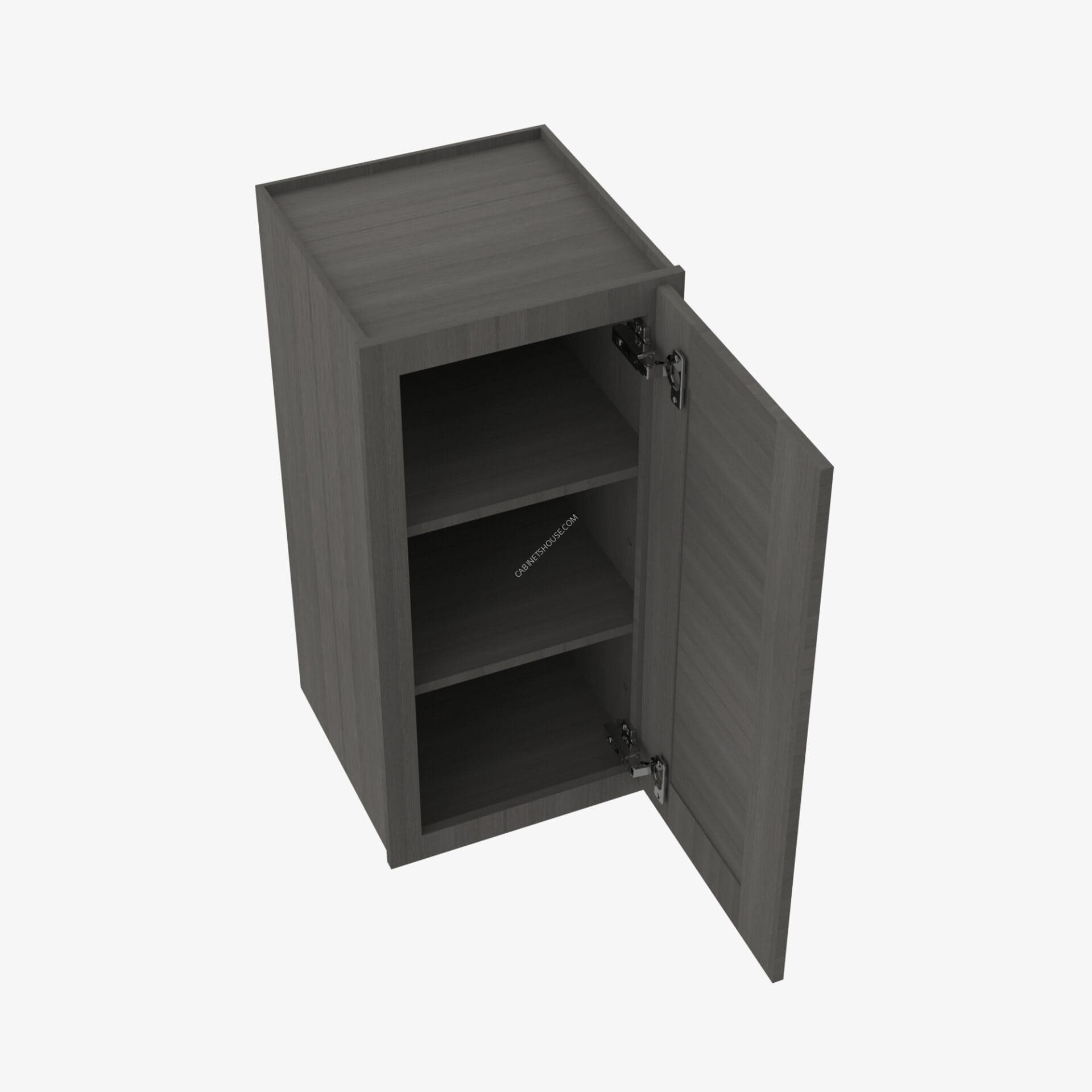 Single Door Wall Cabinet AG-W1512-3 Forevermark Greystone Shaker
 Wall Glass Door with No Mullion and with Clear Glass PS-WDC2412GD Forevermark Petit Sand
 Wall Glass Door with No Mullion and with Clear Glass AN-WDC2436GD Forevermark Nova Light Grey Shaker