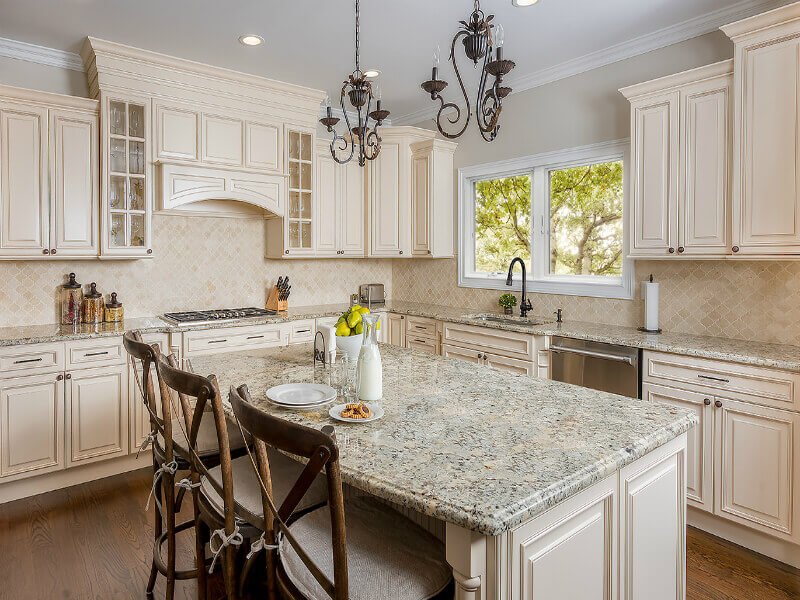
Affordable and cheap priced kitchen cabinets can help homeowners complete a kitchen remodel without allowing cabinetry to consume the entire renovation budget. Kitchen cabinets represent one of the largest components of many remodeling projects, so finding the right balance between price, appearance, construction, and functionality can have a significant impact on the total investment.
However, affordable cabinetry should not automatically mean choosing the lowest available price. Cabinets are used repeatedly every day. Doors are opened and closed, drawers carry cookware, shelves support heavy items, and finishes are exposed to moisture, cooking residue, fingerprints, and regular cleaning. A cabinet that costs less initially may provide poor value if its hardware, construction, or finish deteriorates quickly.
The better approach is to identify where homeowners can reduce unnecessary costs without compromising the features that matter most. Standard cabinet sizes, versatile door styles, efficient layouts, sensible accessories, and established cabinet collections can often provide substantial savings compared with highly customized alternatives.
Cabinets House helps homeowners compare cabinet choices according to both budget and practical requirements. Whether the project involves a small kitchen update or a complete renovation, understanding cabinet pricing and construction can make it easier to find attractive cabinetry at a reasonable cost.
What Makes Kitchen Cabinets Affordable?
Several factors determine the final cost of kitchen cabinets. Construction method, materials, finish, door style, dimensions, accessories, hardware, and customization can all influence pricing.
Stock and standardized cabinet configurations are generally more affordable because manufacturers can produce them efficiently in established dimensions. Highly customized cabinetry requires additional design, manufacturing, and labor, which typically increases the total project cost.
Door style can also affect pricing. Simple shaker and flat panel designs may provide attractive options without the additional manufacturing complexity associated with highly decorative doors, intricate molding, or specialized finishes.
The layout itself is another major factor. A straightforward cabinet plan using standard widths can often cost considerably less than a design containing numerous specialty cabinets, complicated corners, decorative panels, and custom modifications.
Affordable kitchen design therefore begins before the cabinets are purchased. A well planned layout can reduce unnecessary cabinetry while still providing excellent storage.
Cheap Kitchen Cabinets and Affordable Cabinets Are Not Always the Same
The words “cheap” and “affordable” are frequently used interchangeably, but they can represent very different purchasing strategies.
Cheap kitchen cabinets may simply refer to products with a low initial purchase price. Affordable cabinets, on the other hand, should provide reasonable cost while maintaining acceptable construction, functionality, appearance, and expected service life.
A homeowner who selects cabinetry entirely according to the lowest price may eventually encounter problems such as weak drawer systems, poor alignment, unstable shelving, or finishes that are difficult to maintain. Correcting these problems can reduce or eliminate the original savings.
Value should therefore be considered in relation to what the homeowner receives for the money.
| Cabinet Consideration |
Lowest Price Approach |
Value Focused Approach |
| Cabinet Construction |
Price first |
Durability and price |
| Hardware |
Basic selection |
Reliable daily operation |
| Door Style |
Cheapest available |
Versatile long term style |
| Storage |
Minimum configuration |
Practical organization |
| Finish |
Appearance only |
Appearance and durability |
| Layout |
More cabinets if inexpensive |
Efficient use of space |
| Long Term Cost |
Often overlooked |
Considered before purchase |
The objective should not be to spend as little as possible. It should be to avoid paying for features that provide little practical benefit while protecting the quality of important cabinet components.
Choose Stock Cabinets to Control the Budget
Stock cabinetry can provide one of the most practical routes to an affordable kitchen. These cabinets are manufactured in established sizes and configurations, which helps reduce production complexity.
A carefully designed kitchen can often use standard dimensions without appearing generic. Fillers, end panels, molding, countertops, and hardware can help create a finished appearance while maintaining the cost advantages of standardized cabinets.
Stock cabinetry is especially useful when the room has a relatively straightforward layout. Standard base cabinets, wall cabinets, drawer bases, and pantry units can be combined to create substantial storage.
Accurate planning remains essential. Homeowners should not order inexpensive cabinets first and attempt to make them fit later. Measurements, appliances, openings, and required clearances should be confirmed before the cabinet configuration is finalized.
Consider Shaker Cabinets for Affordable Style
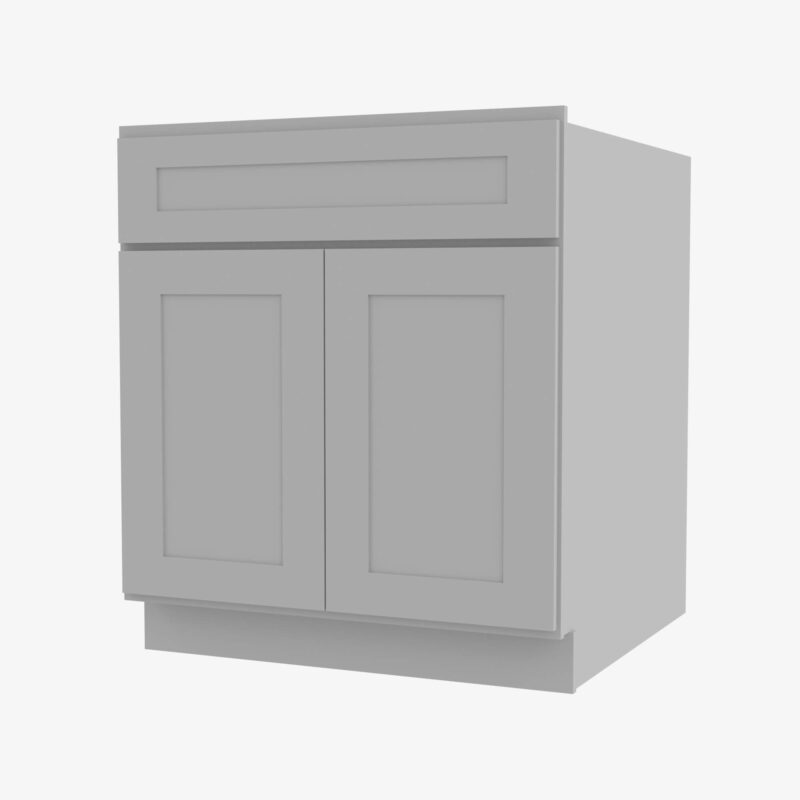
Shaker cabinetry is a strong choice for budget conscious homeowners because the design is straightforward, versatile, and compatible with many kitchen styles.
The recessed center panel provides visual interest without requiring highly ornate detailing. Depending on color and surrounding materials, shaker cabinetry can work in modern, transitional, farmhouse inspired, and more traditional interiors.
White shaker cabinets remain particularly flexible because countertops, backsplashes, flooring, and hardware can be updated later without requiring a complete cabinet replacement.
Forevermark Cabinets can be considered by homeowners looking for established cabinet collections that combine popular styles with practical remodeling applications. Comparing available configurations can help determine whether a collection fits both the design and budget requirements of the project.
Versatility has financial value. A cabinet style that remains compatible with future decorative updates may reduce the desire for another major renovation simply because trends have changed.
Use Flat Panel Cabinets for Simple Modern Design
Flat panel cabinets are another option for homeowners seeking a clean appearance without extensive decorative detailing.
The smooth door profile works especially well in contemporary and minimalist kitchens. Because the visual design is simple, countertops, backsplashes, lighting, and hardware can provide most of the decorative character.
Flat surfaces can also be easier to clean because they contain fewer grooves and recessed sections.
However, homeowners should compare construction and finish quality carefully. A simple door style does not automatically mean every flat panel cabinet provides the same durability.
The best value comes from finding a straightforward design with dependable cabinet construction rather than selecting a product solely because the door appears modern.
Save Money With a More Efficient Cabinet Layout
One of the easiest ways to reduce cabinet costs is to avoid unnecessary cabinets.
Homeowners sometimes assume that every available wall should be filled with cabinetry. This can increase the budget while also making the kitchen feel crowded.
Instead, determine how much storage the household actually needs. A few highly functional drawer bases and a well planned pantry can sometimes replace several less useful cabinets.
Wide cabinets may also provide better value than numerous narrow units in appropriate locations. Every additional cabinet introduces another box, door, hinge set, and installation point.
A cost conscious layout should prioritize:
Cabinets House recommends solving these practical needs first and adding decorative cabinetry only when the budget and room dimensions justify it.
Invest in Drawers Where They Matter Most
Drawers can increase cabinet cost because they require additional components and hardware. However, removing all drawer storage simply to reduce the initial price can compromise kitchen functionality.
The better strategy is selective investment.
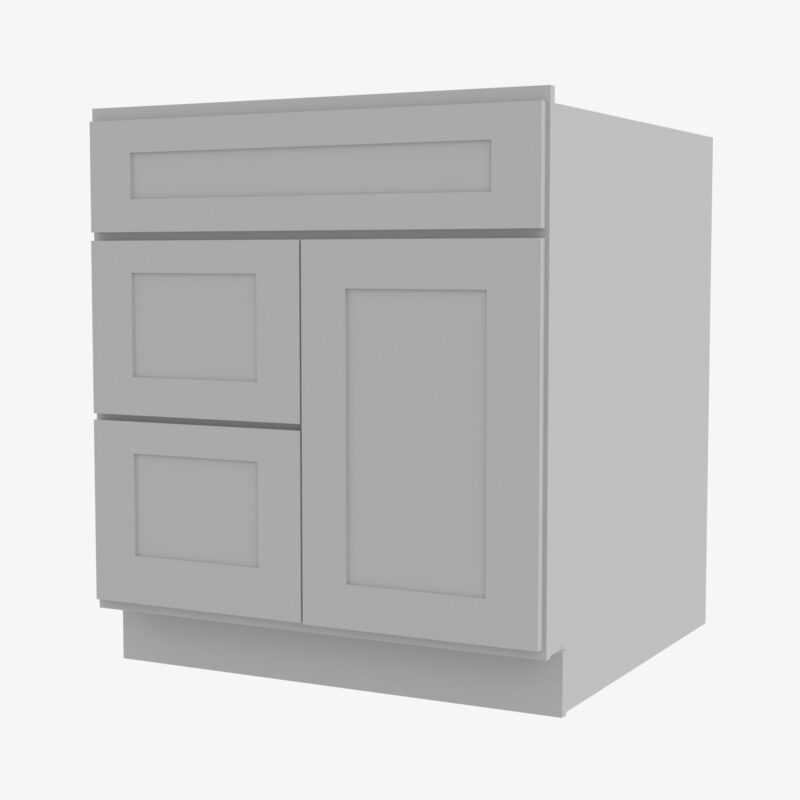
Deep drawers near the range can store pots and pans. A drawer base near the preparation area can organize utensils and bowls. Other less frequently used areas may function perfectly well with standard doors and adjustable shelves.
Full extension slides can improve access to the entire drawer, while soft close systems provide smoother everyday operation.
By concentrating upgraded storage in high use areas, homeowners can gain much of the convenience of a premium kitchen without adding expensive mechanisms to every cabinet.
Avoid Too Many Specialty Cabinet Accessories
Internal cabinet accessories can improve organization, but they can also increase the project budget rapidly.
Pull out spice systems, complex corner mechanisms, specialized appliance storage, custom dividers, and other accessories should be selected according to actual household needs.
A homeowner who rarely cooks may not benefit from an elaborate spice cabinet. Another household that prepares meals every day might consider the same feature extremely valuable.
Adjustable shelves and simple drawer organizers can often provide flexibility at a lower cost than highly specialized systems.
The question to ask before purchasing an accessory is straightforward: will this feature improve daily kitchen use enough to justify its cost?
Compare Cabinet Construction Before Comparing Prices
Two cabinets that appear similar from the outside can differ considerably in construction.
Homeowners should look beyond door color and examine cabinet boxes, drawer construction, shelves, hinges, slides, and finishes. Specifications provide a more meaningful basis for comparison than photographs alone.
Important questions include:
-
How is the cabinet box constructed?
-
Are shelves appropriate for the expected load?
-
What type of drawer system is included?
-
Are hinges adjustable?
-
Is soft close hardware included or optional?
-
How is the finish designed for normal kitchen use?
-
What assembly is required?
-
Which components are included in the quoted price?
A lower advertised price may not remain lower once necessary panels, trim, hardware, and accessories are added.
Requesting a complete project estimate can therefore provide a more accurate comparison than looking only at individual cabinet prices.
Keep Cabinet Colors Simple and Flexible
A versatile cabinet color can help homeowners protect the long term value of a budget conscious renovation.
White remains a popular option because it works with a broad range of countertops, floors, backsplashes, and hardware. Warm white can provide a softer appearance, while brighter white supports a cleaner contemporary direction.
Greige and light neutral colors can offer similar flexibility while adding more visual depth.
Natural wood inspired finishes may also provide long term design value, especially when paired with simple countertops and restrained hardware.
Bold cabinet colors can certainly work, but homeowners should consider whether they will still enjoy the color several years later. Replacing accessories is inexpensive compared with replacing an entire kitchen of cabinets.
Use Hardware to Upgrade Affordable Cabinets
Cabinet hardware provides an opportunity to improve the finished appearance without dramatically increasing the renovation budget.
Simple cabinetry can look substantially different after carefully selected handles or knobs are installed. Matte black can create strong contrast, brushed nickel offers versatility, and warmer metallic finishes can add softness.
Hardware size should correspond with cabinet proportions. Wide drawers may require longer pulls, while smaller doors can use more restrained hardware.
Consistency also matters. Using the same hardware family throughout the kitchen can make affordable cabinetry appear more coordinated.
Homeowners should still prioritize comfort. Handles and knobs are touched constantly, so they should feel natural during everyday use rather than being selected entirely for appearance.
Coordinate Affordable Cabinets With the Right Countertops
Budget planning should consider cabinets and countertops together. Spending heavily on one category without accounting for the other can create financial pressure later in the project.
Simple cabinet styles can work extremely well with restrained countertop patterns. A relatively affordable cabinet does not require an elaborate surface to look attractive.
Light countertops can make a smaller kitchen feel brighter, while warmer neutrals can complement wood and cream cabinetry.
Countertop edge profiles can also influence both appearance and cost. Highly elaborate details may not be necessary when the objective is a clean and practical kitchen.
The strongest design uses cabinetry and countertops as complementary materials rather than treating each purchase independently.
Consider Two Tone Cabinets Without Overspending
Two tone kitchens can look highly customized even when they use standardized cabinetry.
One practical approach is to use affordable light cabinets around the perimeter and introduce a different finish on the island. This creates a focal point without requiring specialty cabinetry throughout the room.
Another option combines light upper cabinets with darker lower cabinets. The contrast adds depth while maintaining brightness around eye level.
Wood toned accents can also be introduced through a limited section of cabinetry rather than an entire kitchen.
The key is to keep the configuration straightforward. Two colors do not need to mean two completely different cabinet systems with complicated custom modifications.
Do Not Sacrifice Installation Quality to Save Money
Even good affordable cabinets can perform poorly when installation is inaccurate.
Cabinet boxes need to be level, secure, and correctly aligned. Doors and drawers require proper adjustment, while fillers and panels should account for walls that may not be perfectly straight.
Incorrect installation can lead to uneven gaps, doors that interfere with one another, drawers that do not operate correctly, and countertops that lack proper support.
Homeowners considering DIY installation should realistically evaluate the complexity of the project. A straightforward cabinet run may be manageable for someone with appropriate experience, while complicated layouts can require greater precision.
Saving money on cabinets only to create installation problems is rarely a good trade.
When Is Full Cabinet Replacement Worth the Cost?
A limited budget may make painting or refacing existing cabinets attractive, but these options are not always the most economical long term solution.
If cabinet boxes are structurally sound and the layout already functions well, replacing doors or refinishing surfaces may provide an effective update.
Full replacement becomes more logical when cabinets have significant damage, the layout performs poorly, storage is inadequate, or major appliance changes require a new configuration.
Common reasons to consider replacement include:
-
Water damaged cabinet boxes
-
Weak or deteriorated construction
-
Poor kitchen workflow
-
Insufficient storage
-
Major layout changes
-
New appliance dimensions
-
Severely damaged doors and drawers
The lowest cost remodeling method should not automatically be selected if it leaves the main problems unresolved.
How to Create an Affordable Cabinet Budget
A cabinet budget should include more than the cabinet boxes themselves.
Homeowners may need fillers, end panels, toe kicks, molding, handles, organizers, installation materials, delivery, and other project components. Leaving these items out of the initial calculation can produce an unrealistic estimate.
A practical budget can be divided into three categories.
| Budget Category |
Examples |
Priority |
| Essential |
Cabinet boxes, doors, drawers, required panels |
Highest |
| Functional Upgrade |
Better drawers, pantry storage, soft close hardware |
Medium to High |
| Decorative Upgrade |
Specialty molding, display cabinets, decorative accessories |
Flexible |
Essential components should be protected first. Functional improvements can then be prioritized according to household needs, while decorative additions can remain flexible if costs begin exceeding the planned budget.
This approach allows homeowners to make controlled adjustments without compromising the entire cabinet project.
Affordable Kitchen Cabinets for Small Kitchens
Smaller kitchens can offer an important budget advantage because they may require fewer cabinets. However, every cabinet needs to perform efficiently.
Tall pantry storage can use vertical space without requiring numerous separate cabinets. Deep drawers can make lower storage easier to access, while carefully designed upper cabinets provide space for dishes and pantry products.
Avoid filling a compact kitchen with specialty cabinetry simply because every inch appears valuable. More cabinets can increase both cost and visual clutter.
Light finishes and simple door profiles can help the room feel larger while keeping the design flexible.
An efficient small kitchen can provide better value than a larger but poorly organized cabinet layout.
Are Affordable Cabinets Suitable for a Long Term Kitchen?
They can be, provided affordability comes from efficient manufacturing, standardized sizing, sensible design, and careful purchasing rather than unacceptable compromises in construction.
Homeowners should focus on the components that affect daily use. Cabinet stability, shelving, drawers, hinges, and finish quality generally deserve more attention than elaborate decorative features.
Forevermark Cabinets can be part of the comparison when evaluating cabinet options for a value focused remodel. Homeowners should compare the appropriate collection, specifications, configurations, and complete project cost before making a purchasing decision.
The final choice should provide a balance between what the household can reasonably spend today and how the kitchen is expected to perform over the coming years.
Why Shop for Kitchen Cabinets With Cabinets House?
Shopping for affordable cabinetry becomes easier when the complete kitchen is considered instead of focusing only on individual cabinet prices.
Cabinets House helps homeowners evaluate layout, cabinet style, storage requirements, available configurations, and overall project needs together. This makes it easier to identify where spending provides genuine functional value and where unnecessary features can be eliminated.
A properly planned cabinet order can also reduce costly mistakes involving measurements, appliance clearances, fillers, door openings, and storage configurations.
Affordable cabinetry should ultimately provide confidence rather than compromise. The objective is a kitchen that looks attractive, works efficiently, and remains aligned with the homeowner’s remodeling budget.
Conclusion
Affordable and cheap priced kitchen cabinets can provide an effective foundation for a successful kitchen remodel when price is evaluated together with construction, storage, layout, and long term usability. The least expensive cabinet is not necessarily the best value, and an affordable kitchen does not need to look basic or unfinished.
Stock and standardized cabinetry can reduce costs, while versatile shaker or flat panel doors can provide attractive design options. Efficient layouts, selective drawer upgrades, restrained accessories, and carefully chosen hardware can further protect the budget.
Homeowners should compare complete project costs rather than individual cabinet prices. Construction quality, required panels, hardware, storage components, delivery, and installation can all affect the final investment.
With thoughtful planning, suitable options such as Forevermark Cabinets, and support from Cabinets House, homeowners can create an affordable kitchen that balances price, appearance, organization, functionality, and lasting everyday value.

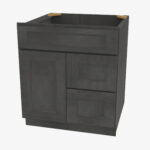
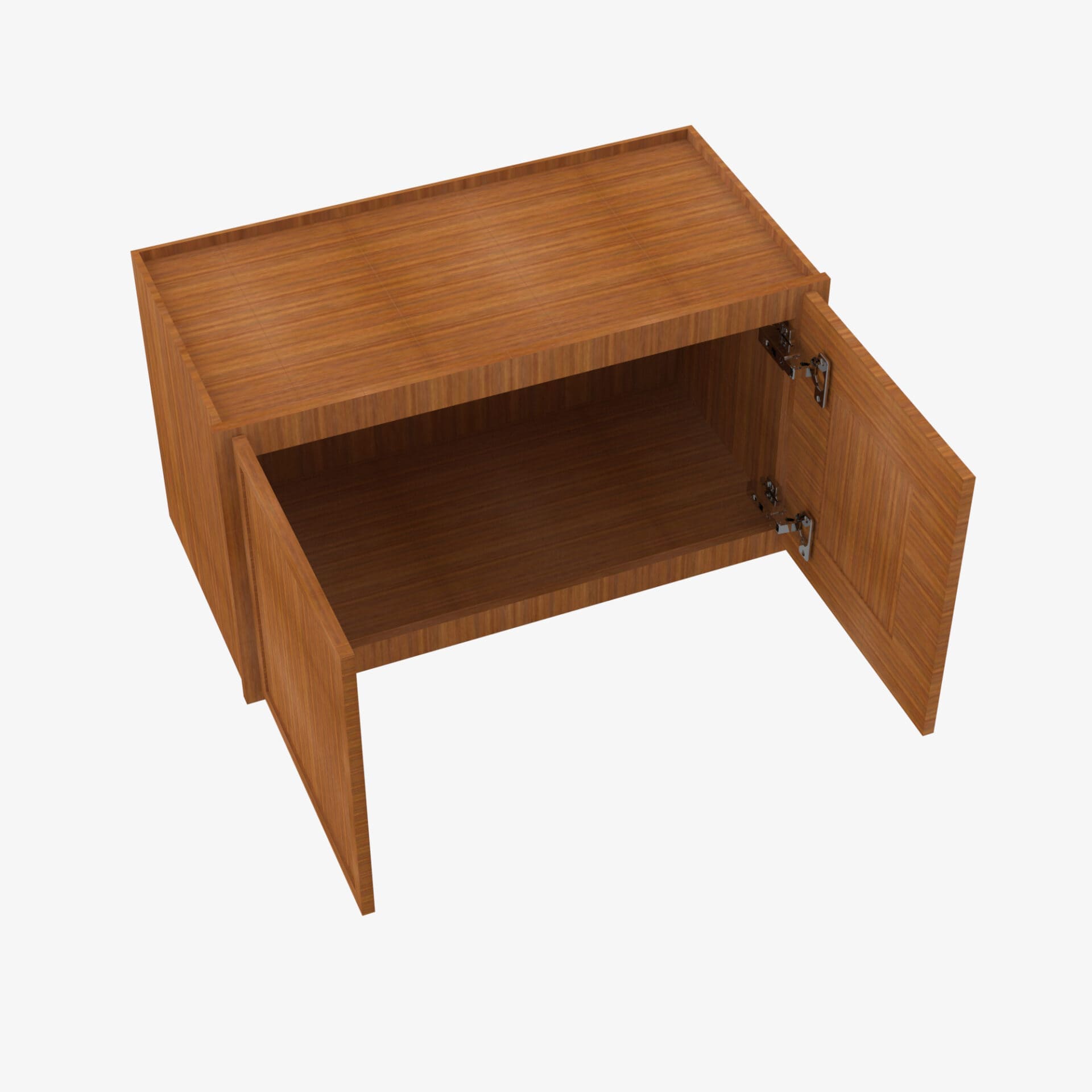 Wall Glass Door with No Mullion and with Clear Glass PR-W3636BGD Forevermark Petit Brown
 Wall Glass Door with No Mullion and with Clear Glass PS-W1530GD Forevermark Petit Sand
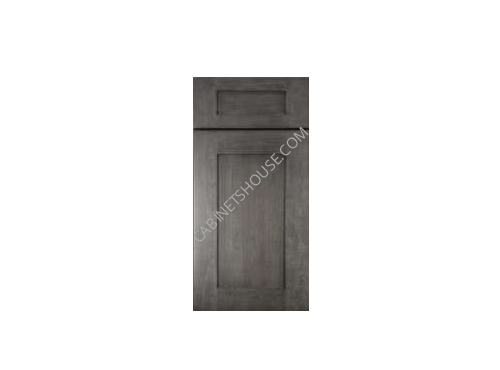 Wall Glass Door with No Mullion and with Clear Glass AG-WDC2430GD Forevermark Greystone Shaker