Kitchen Cabinet Trends

What to Consider When Choosing Kitchen Cabinet Styles

Consider When Choosing

What to consider when choosing kitchen cabinet styles is one of the most important questions homeowners face when planning a kitchen renovation or designing a new home. Kitchen cabinets are much more than storage units. They define the personality of the kitchen, influence daily functionality, and represent one of the largest investments in any remodeling project. Choosing the right cabinet style is not simply about following current trends. It is about selecting cabinetry that complements your lifestyle, enhances your home’s value, and continues to look beautiful for years.

With countless cabinet styles, finishes, colors, and construction options available, homeowners can easily become overwhelmed during the selection process. A cabinet that looks impressive in a showroom may not necessarily suit your home’s architecture or your family’s daily needs. The best decision comes from evaluating aesthetics, quality, durability, storage requirements, maintenance, and long term flexibility together rather than focusing on appearance alone.

Cabinets House works with homeowners throughout the United States to simplify this process. Instead of encouraging trend driven decisions, the focus is placed on helping customers select cabinetry that combines practical performance with timeless design. This balanced approach leads to kitchens that remain functional and visually appealing long after installation.

This guide explains the most important factors every homeowner should evaluate before choosing kitchen cabinet styles.

Start with your home’s architectural style

What to Consider When Choosing

What to Consider When Choosing

The first step in choosing kitchen cabinet styles is understanding the overall character of your home. Cabinets should complement the architecture rather than compete with it. A well coordinated design creates visual harmony throughout the house and makes the kitchen feel like a natural extension of the living space.

Modern homes typically benefit from simple cabinet profiles with clean lines and minimal ornamentation. Flat panel doors, streamlined hardware, and smooth finishes reinforce contemporary architecture while maintaining a sophisticated appearance.

Traditional homes often feature more decorative cabinet details. Raised panel doors, crown molding, decorative trim, and warm finishes create an elegant atmosphere that aligns with classic architectural elements.

Transitional homes provide the greatest flexibility because they blend traditional and modern influences. Shaker cabinets remain one of the most popular choices in these spaces because they combine simplicity with subtle detail.

Choosing a cabinet style that reflects the home’s architectural identity creates a kitchen that feels intentional rather than disconnected from the rest of the property.

Consider how your family uses the kitchen

Every household uses the kitchen differently. Some families prepare multiple meals every day, while others use the kitchen primarily for entertaining. Understanding these habits is essential before selecting cabinet styles.

Large families often require more storage, deeper drawers, and highly organized cabinet interiors. Homeowners who enjoy cooking may prioritize easy access to cookware, pantry items, and food preparation tools.

If the kitchen frequently serves as a gathering space, cabinetry should support both functionality and appearance. Well designed storage helps reduce countertop clutter while maintaining a clean and welcoming environment.

Lifestyle considerations often influence cabinet configuration more than cabinet style itself. Selecting a beautiful cabinet without considering daily use can lead to frustration despite an attractive appearance.

Important questions to consider include:

  • How many people use the kitchen each day?
  • Is cooking a daily activity or an occasional one?
  • Do you entertain guests regularly?
  • Is additional pantry storage needed?
  • Will children use the kitchen frequently?

Answering these questions helps homeowners identify cabinet solutions that truly support their lifestyle.

Understand the differences between cabinet door styles

What to Consider When Choosing Cabinets House

Cabinet doors are the most visible element of any kitchen, making them one of the biggest influences on overall design. Different door profiles create completely different visual impressions.

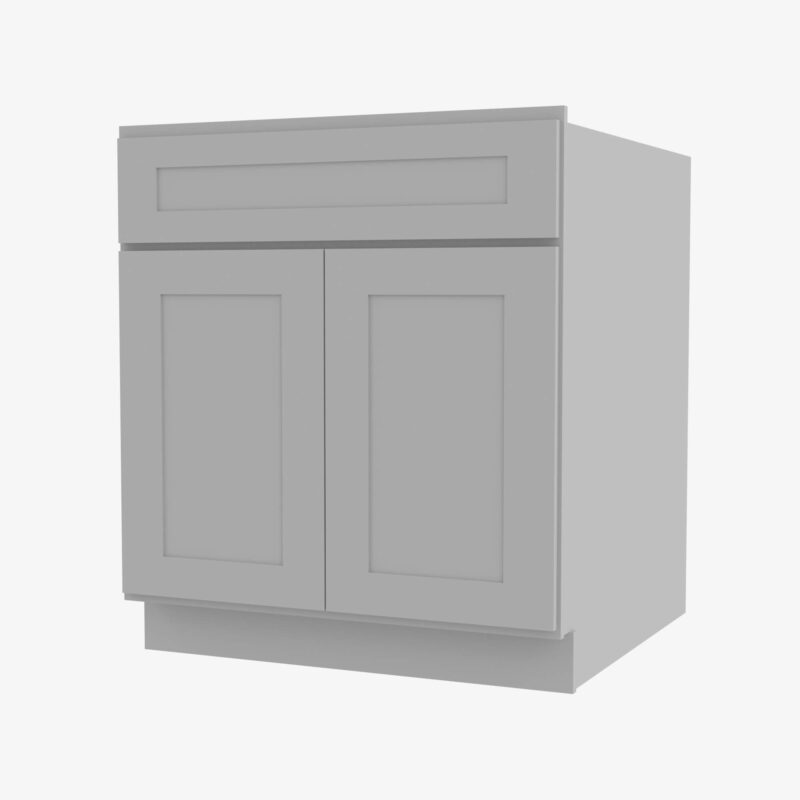
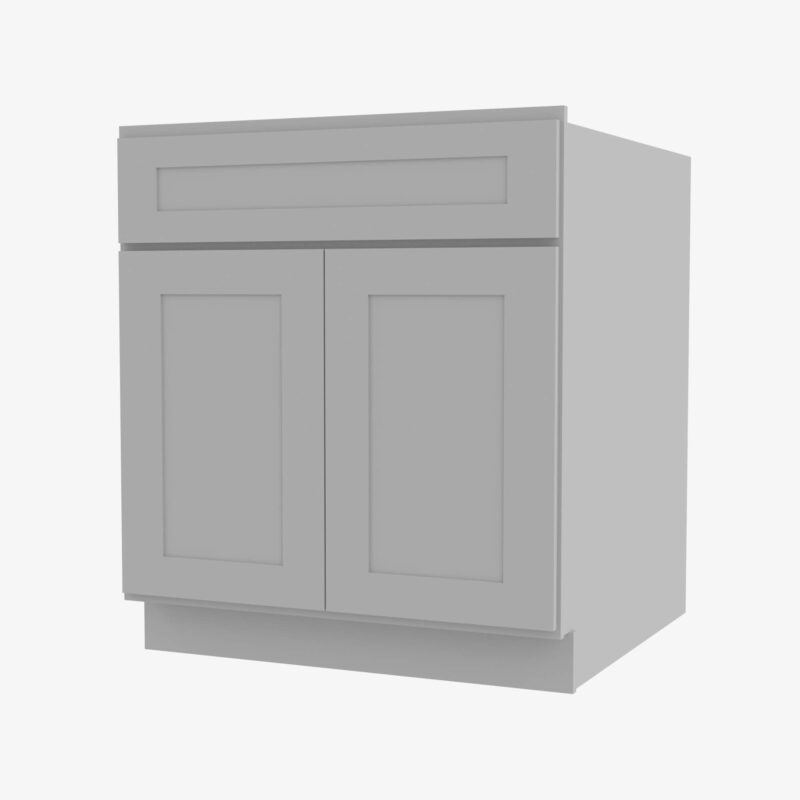
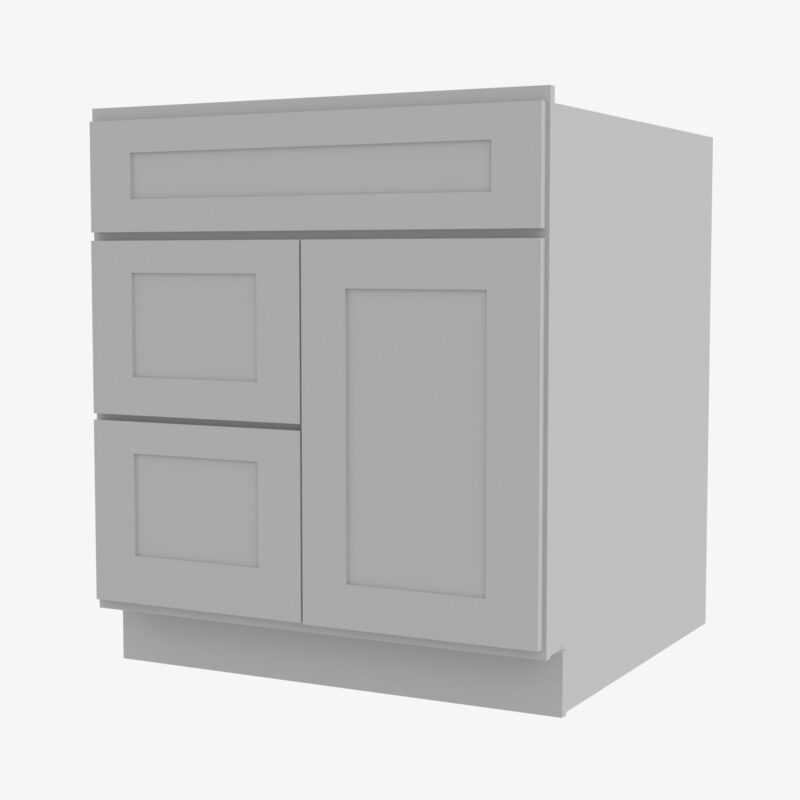
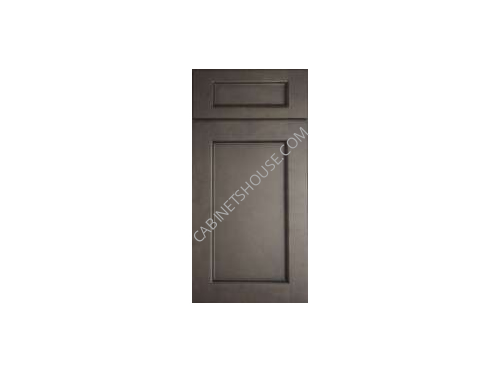
Shaker cabinets remain one of the most requested styles in the United States because of their versatility. Their simple recessed center panel works equally well in modern, farmhouse, transitional, and traditional kitchens.

Flat panel doors create a minimalist appearance with smooth uninterrupted surfaces. They are ideal for contemporary kitchens where clean geometry is emphasized.

Raised panel cabinets provide greater visual depth and decorative detail. They continue to perform well in traditional homes where classic craftsmanship remains important.

Glass front cabinet doors are commonly used as accent features. They introduce visual openness while allowing homeowners to display decorative items or premium dishware.

The table below compares popular cabinet door styles.

Cabinet Door Style Design Direction Maintenance Best For
Shaker Transitional Easy Most kitchen styles
Flat Panel Modern Very Easy Contemporary homes
Raised Panel Traditional Moderate Classic interiors
Glass Front Decorative Moderate Display cabinetry

Understanding these differences helps homeowners choose a cabinet style that aligns with both aesthetics and daily maintenance preferences.

Evaluate cabinet construction quality

Style alone does not determine cabinet quality. A cabinet that looks attractive must also provide dependable performance over many years of daily use.

Construction quality begins with strong cabinet boxes and durable materials. Well built cabinets resist warping, sagging, and structural movement while maintaining alignment throughout their lifespan.

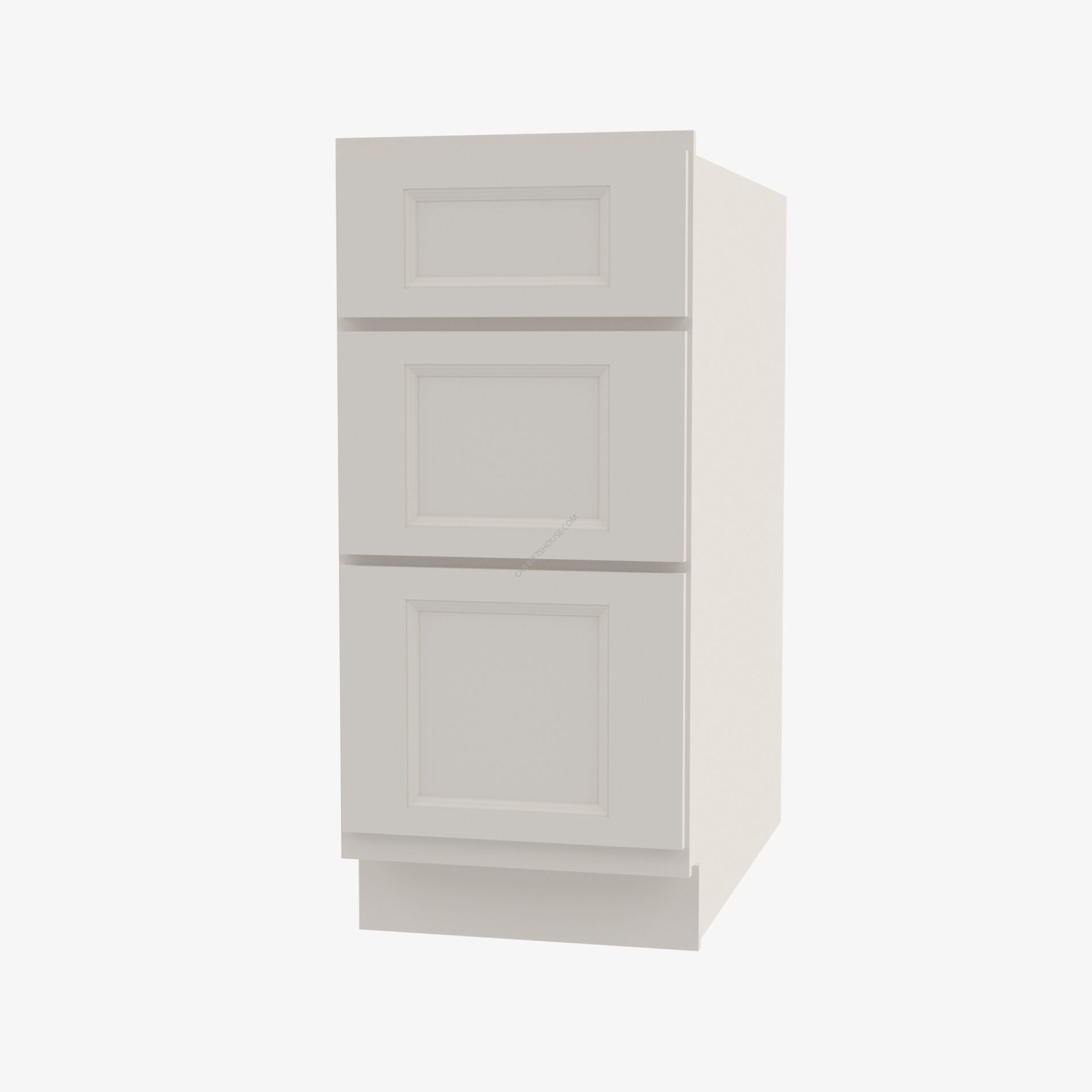
Drawer systems deserve special attention because they experience constant use. Smooth operating slides and durable hardware improve functionality while extending cabinet life.

Finish quality also plays a major role. Kitchens expose cabinetry to heat, moisture, grease, and frequent cleaning. High quality finishes help protect cabinet surfaces while maintaining their original appearance.

Forevermark Cabinets continue to be recognized for balancing attractive styling with dependable construction, making them a strong choice for homeowners seeking long term reliability.

Think about color beyond current trends

Cabinet color dramatically influences how the kitchen feels. While trend reports provide useful inspiration, homeowners should avoid choosing colors based solely on current popularity.

White cabinetry remains one of the safest long term investments because it creates brightness and broad design compatibility. Warm white finishes have become especially popular because they soften the appearance without sacrificing openness.

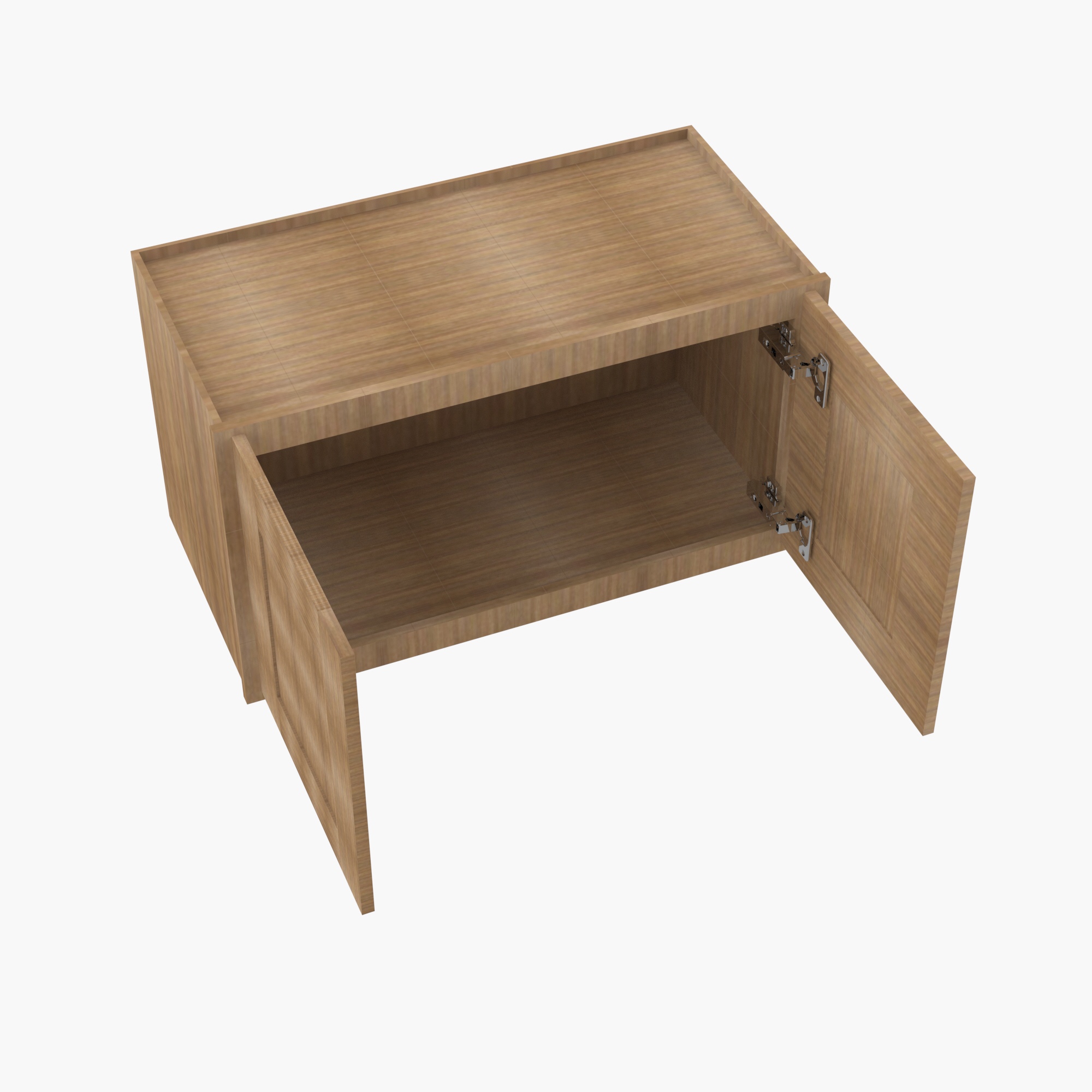
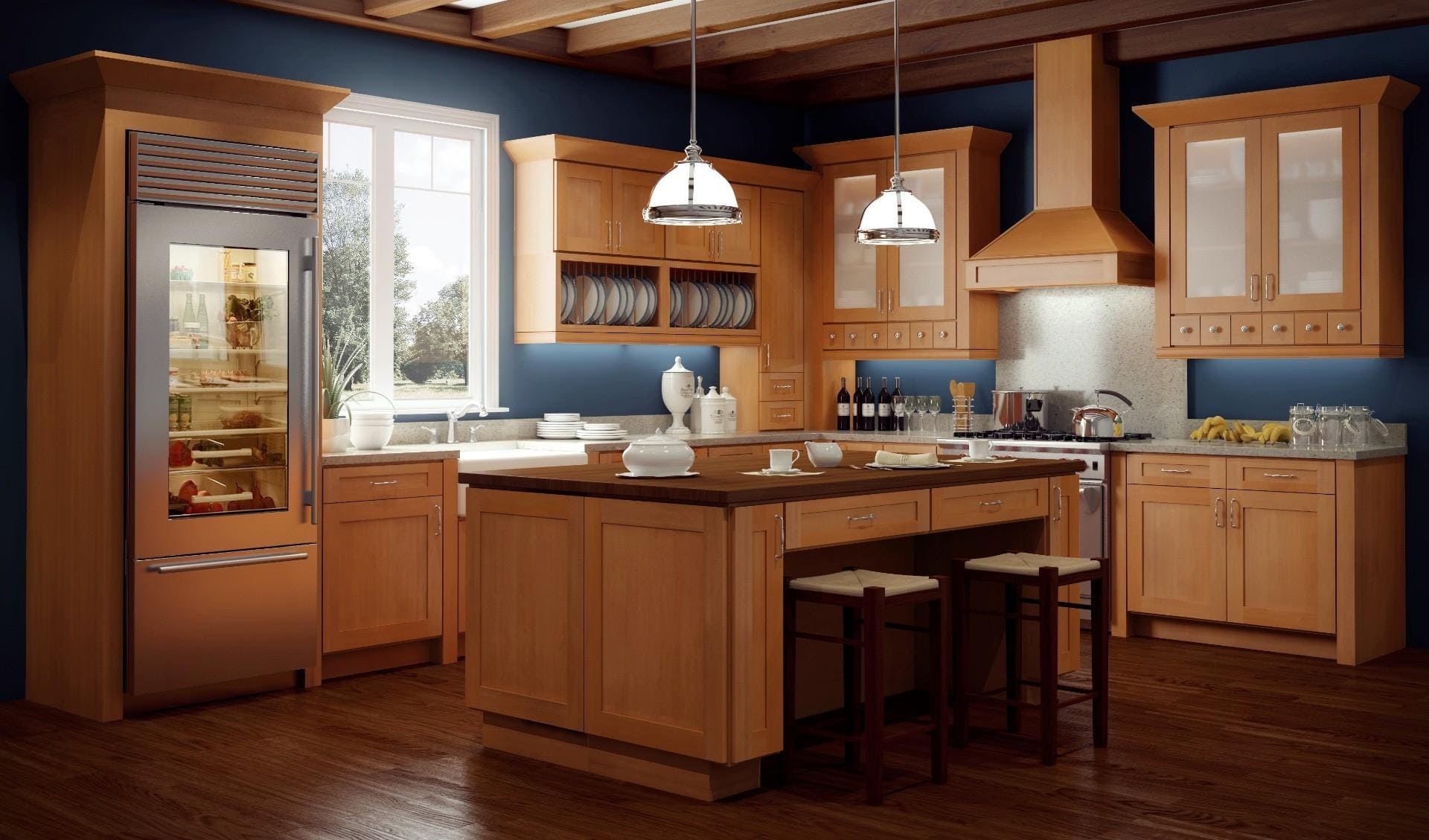
Natural wood finishes are also gaining momentum as homeowners seek more organic interiors. Wood tones introduce warmth and texture while remaining timeless.

Neutral greige colors continue to perform well because they complement a wide variety of flooring, countertop, and backsplash materials.

Cabinets House often encourages homeowners to select cabinet colors they will appreciate for many years rather than focusing exclusively on short lived trends.

Plan storage before selecting cabinet styles

Beautiful cabinetry should also provide efficient organization. Planning storage early allows homeowners to maximize functionality while maintaining a clean design.

Modern cabinet systems offer numerous storage improvements that significantly enhance daily convenience.

Popular storage solutions include:

  • Pull out pantry cabinets
  • Deep drawers for cookware
  • Vertical tray dividers
  • Corner cabinet organizers
  • Built in recycling centers
  • Adjustable shelving

These features improve usability while reducing countertop clutter and increasing available storage space.

Storage planning should always occur before finalizing cabinet styles because functionality remains one of the most important aspects of successful kitchen design.

Balance your budget with long term value

Kitchen cabinetry represents a significant investment, making budget planning an essential part of the selection process. However, choosing the lowest priced option rarely produces the best long term results.

Quality cabinets often cost more initially but require fewer repairs, provide better functionality, and maintain their appearance much longer. This creates stronger overall value over the life of the kitchen.

The table below compares common cabinet investment categories.

Cabinet Category Initial Investment Long Term Value Best Application
Stock Cabinets Lower Good Budget conscious projects
Semi Custom Cabinets Medium Very Good Most homeowners
Custom Cabinets Higher Excellent Luxury projects

Understanding long term value helps homeowners make more informed purchasing decisions.

Common mistakes homeowners should avoid

Choosing kitchen cabinets involves many decisions, and certain mistakes appear repeatedly during remodeling projects.

One common mistake is selecting cabinet styles before establishing the overall kitchen design. This often creates visual inconsistency throughout the room.

Another frequent error is overlooking storage functionality. Attractive cabinets still need to support everyday living effectively.

Other mistakes include:

  • Prioritizing trends over timeless design
  • Ignoring construction quality
  • Choosing insufficient storage
  • Forgetting future resale value
  • Underestimating maintenance requirements

Avoiding these issues helps homeowners create kitchens that remain practical and attractive long after renovation.

Why homeowners choose Forevermark Cabinets

Homeowners looking for dependable cabinetry often seek products that combine attractive design with reliable construction. Forevermark Cabinets continue to meet these expectations through their wide range of cabinet collections.

Their cabinet styles support modern, transitional, farmhouse, and traditional kitchens while maintaining strong quality standards. This versatility allows homeowners to create personalized kitchens without sacrificing durability.

Reliable materials, consistent finishes, and practical storage options make Forevermark Cabinets a preferred choice for renovation projects throughout the United States.

Why Cabinets House helps homeowners make better decisions

Choosing kitchen cabinet styles can feel overwhelming because every decision influences the final appearance and functionality of the kitchen.

Cabinets House helps homeowners simplify the process by focusing on practical guidance rather than short term design trends. This approach allows customers to select cabinetry that supports their lifestyle, budget, and long term goals.

Professional assistance can improve cabinet selection, layout planning, storage organization, and finish coordination, leading to more successful renovation outcomes.

By combining quality products with knowledgeable guidance, Cabinets House helps homeowners create kitchens that remain beautiful and functional for many years.

Conclusion: What to Consider When Choosing Kitchen Cabinet Styles

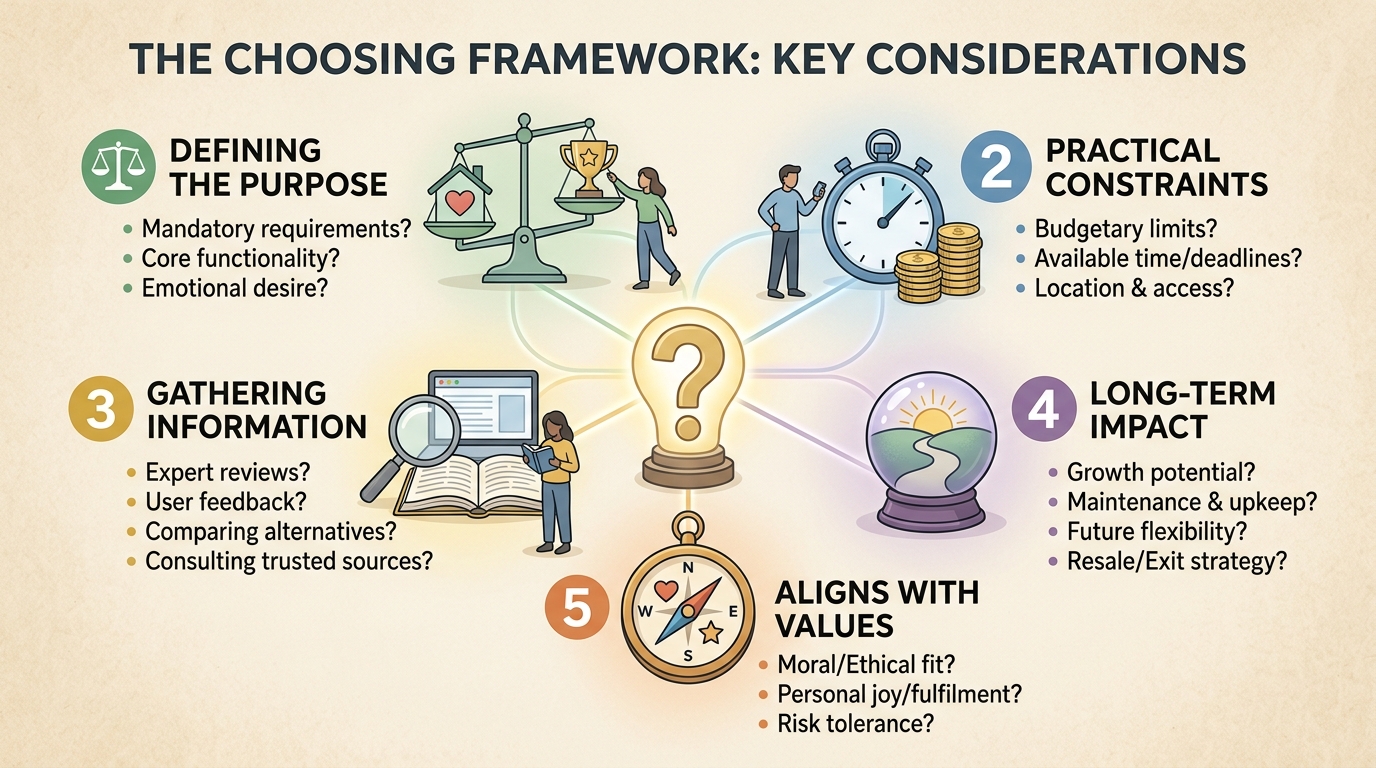
What to consider when choosing kitchen cabinet styles involves much more than selecting a cabinet door you like. The best cabinetry balances architecture, lifestyle, construction quality, storage, color, durability, and long term value into one cohesive solution.

By evaluating each of these factors carefully, homeowners can create kitchens that continue delivering both beauty and functionality long after installation. A thoughtful cabinet selection protects your investment while improving everyday life.

For homeowners throughout the United States, choosing kitchen cabinets becomes far more rewarding when guided by quality products and professional expertise. With support from Cabinets House and the trusted craftsmanship of Forevermark Cabinets, creating a kitchen that combines timeless design with lasting performance becomes a confident and achievable decision.