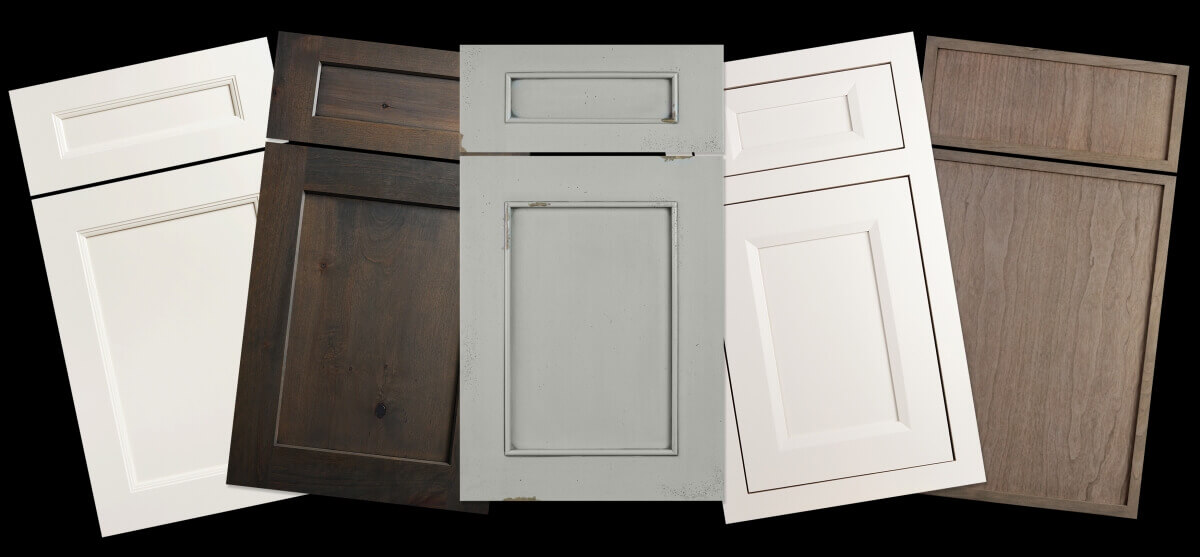
Cabinet styles play a major role in determining how a kitchen looks, feels, and functions over time. From sleek modern doors to detailed traditional cabinetry, every style creates a different visual identity and influences how countertops, flooring, hardware, lighting, and appliances work together. Choosing the right cabinet style is therefore one of the most important decisions homeowners make during a kitchen renovation.
The number of available options can make the process confusing. Modern, traditional, shaker, flat panel, transitional, raised panel, glass front, and farmhouse inspired cabinets may all look attractive individually, but not every style fits every home. The architecture of the property, kitchen dimensions, natural light, lifestyle, maintenance expectations, and long term design goals should all contribute to the final decision.
Cabinets House encourages homeowners to think beyond photographs and short term trends when comparing cabinetry. A cabinet door occupies a large percentage of the visible kitchen, so its profile and finish need to remain appealing long after the renovation is complete. The goal is to create a space where cabinet style supports both everyday functionality and the broader character of the home.
Understanding the major cabinet styles makes this decision significantly easier. The following guide explores the most important options, explains what makes each one different, and shows how homeowners can identify the style that best supports their kitchen.
Modern Cabinet Styles Focus on Simplicity
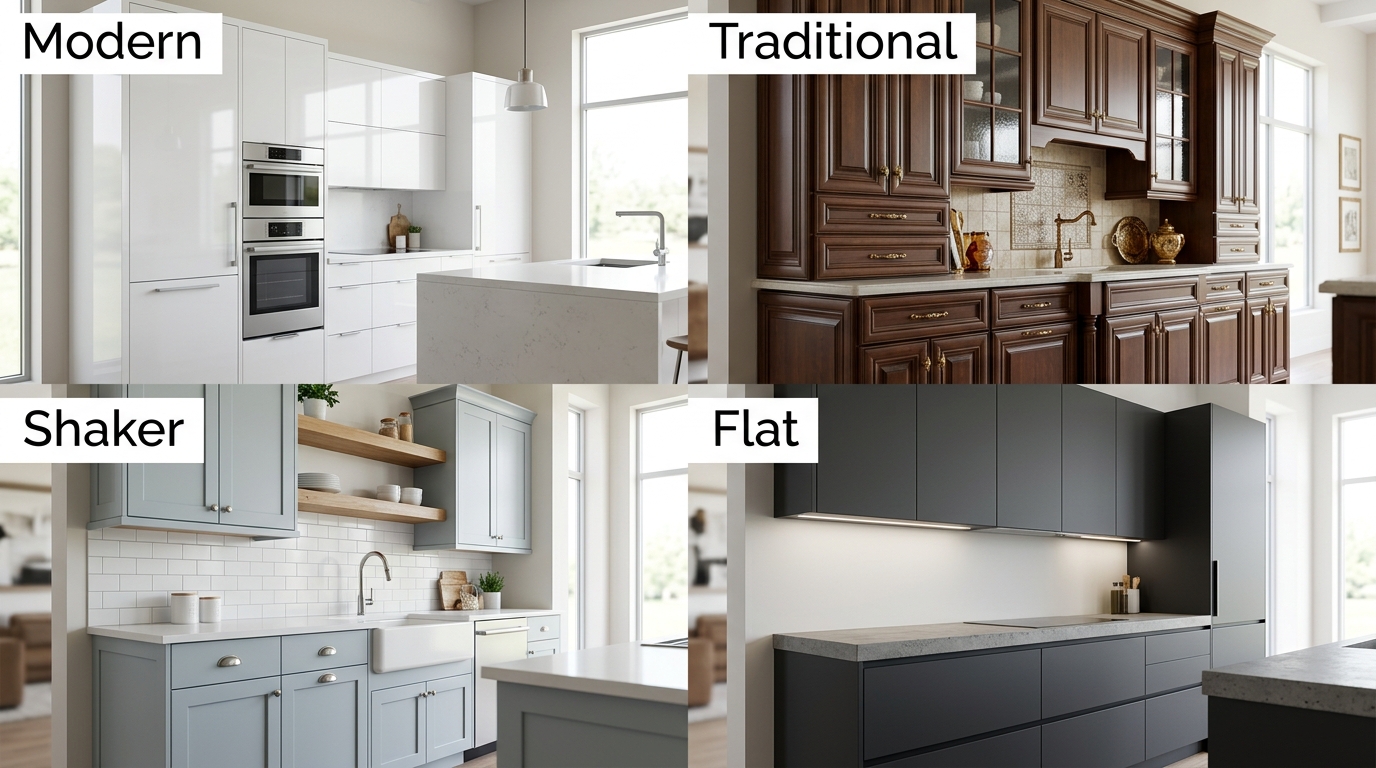
Modern cabinets are recognized by clean geometry, minimal decoration, and carefully controlled visual lines. Instead of carved details or elaborate molding, the design relies on proportion, finish, and alignment to create impact. Flat surfaces, concealed storage, simple hardware, and integrated appliances often contribute to the overall appearance.
Color selection can vary considerably. White remains popular, but modern kitchens increasingly incorporate natural wood tones, soft greige, charcoal, navy, and muted earth inspired colors. The simplicity of the cabinet profile allows color and material to provide personality without making the space visually busy.
Storage also plays an important role in modern cabinetry. Wide drawers, tall pantry units, internal organizers, hidden waste systems, and dedicated appliance storage help maintain the uncluttered environment associated with this design direction. A kitchen can look minimalist while still offering substantial storage when the cabinet plan is developed carefully.
Modern cabinetry works particularly well in open floor plans because its simple appearance can connect naturally with dining and living spaces. Homeowners who appreciate organization, straightforward maintenance, and understated design often find this style particularly appealing.
Traditional Cabinet Styles Add Architectural Detail
Traditional cabinets create a more decorative and established appearance. Raised panels, molding, framed doors, detailed trim, and warm finishes are commonly associated with this style. These elements introduce depth and craftsmanship, making cabinetry an architectural feature rather than simply a storage system.
Wood finishes are especially effective in traditional kitchens because visible grain and natural color add warmth. Cream, warm white, medium brown, and deeper stained finishes can also reinforce a classic atmosphere. Decorative hardware provides another opportunity to add character without changing the cabinet structure.
Traditional kitchens generally benefit from thoughtful proportion. Too many decorative elements in a compact room can make the kitchen feel crowded, while a larger room can accommodate taller crown molding, detailed panels, and more substantial cabinet profiles. Room size should therefore influence how much ornamentation is introduced.
Homeowners should also consider maintenance. Detailed doors naturally contain more edges and recessed areas than flat cabinetry. These surfaces may require additional attention during cleaning, but many homeowners consider the added character worth the effort.
Shaker Cabinets Provide Exceptional Versatility
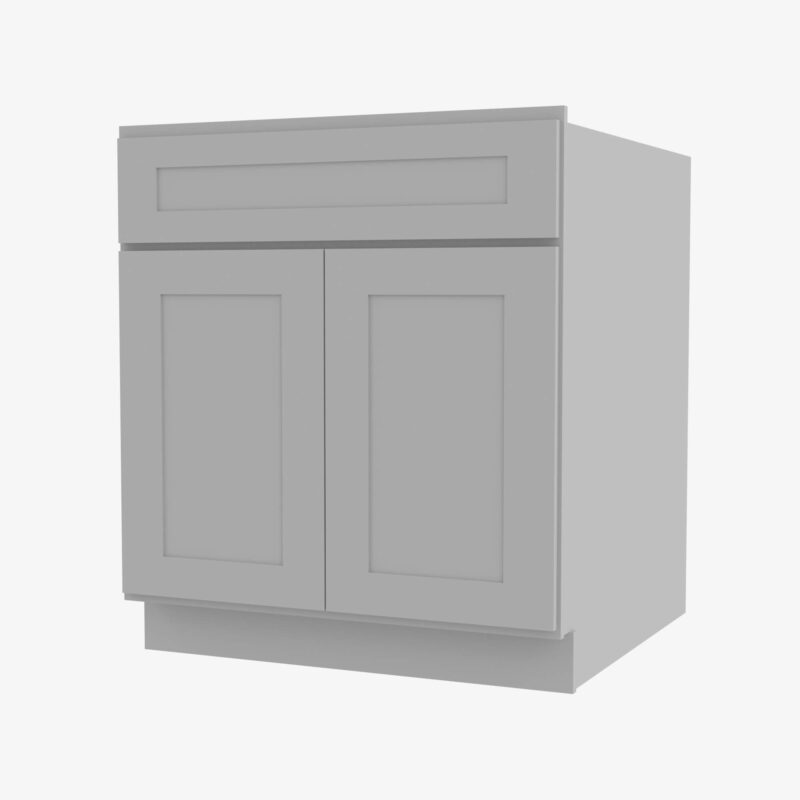
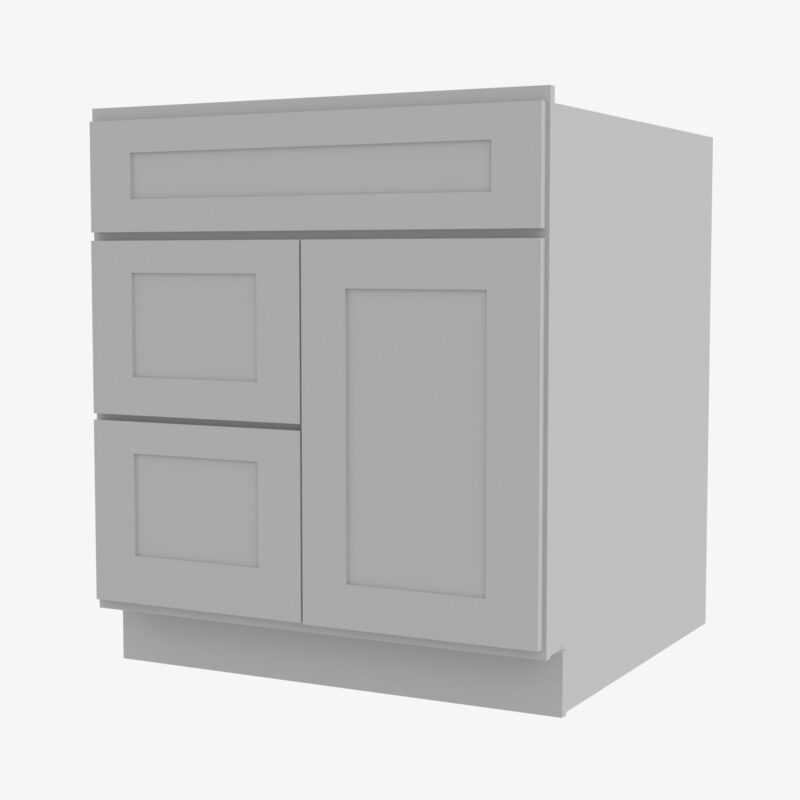
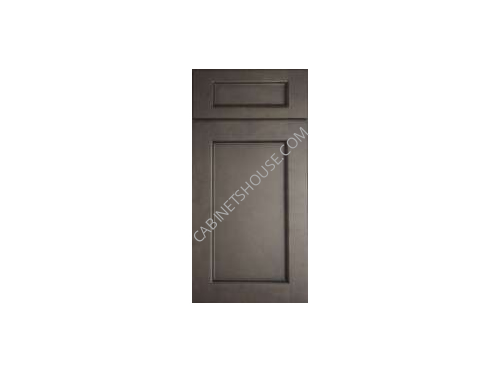
Shaker cabinetry remains one of the most recognizable styles in American kitchens. Its basic design uses a framed door with a recessed center panel, creating enough detail to provide character while maintaining visual simplicity. This balance explains why shaker doors continue to work across such a wide range of interiors.
A white shaker cabinet can create a bright transitional kitchen, while a natural wood version can feel warmer and more organic. Darker shaker finishes can produce stronger contrast and a more dramatic appearance. Changing the color, hardware, and surrounding materials can significantly alter the personality of the same basic door profile.
Shaker cabinetry is also easier to adapt as design preferences change. Hardware, lighting, countertops, and backsplashes can be replaced later without making the cabinet doors feel disconnected from the new design. This makes shaker styling particularly appealing to homeowners interested in long term flexibility.
Forevermark Cabinets are often considered by homeowners exploring shaker designs because their collections can support multiple kitchen directions. The broader lesson is that a versatile door profile can provide a dependable foundation while allowing other design elements to evolve over time.
Flat Panel Cabinets Create a Clean Contemporary Look
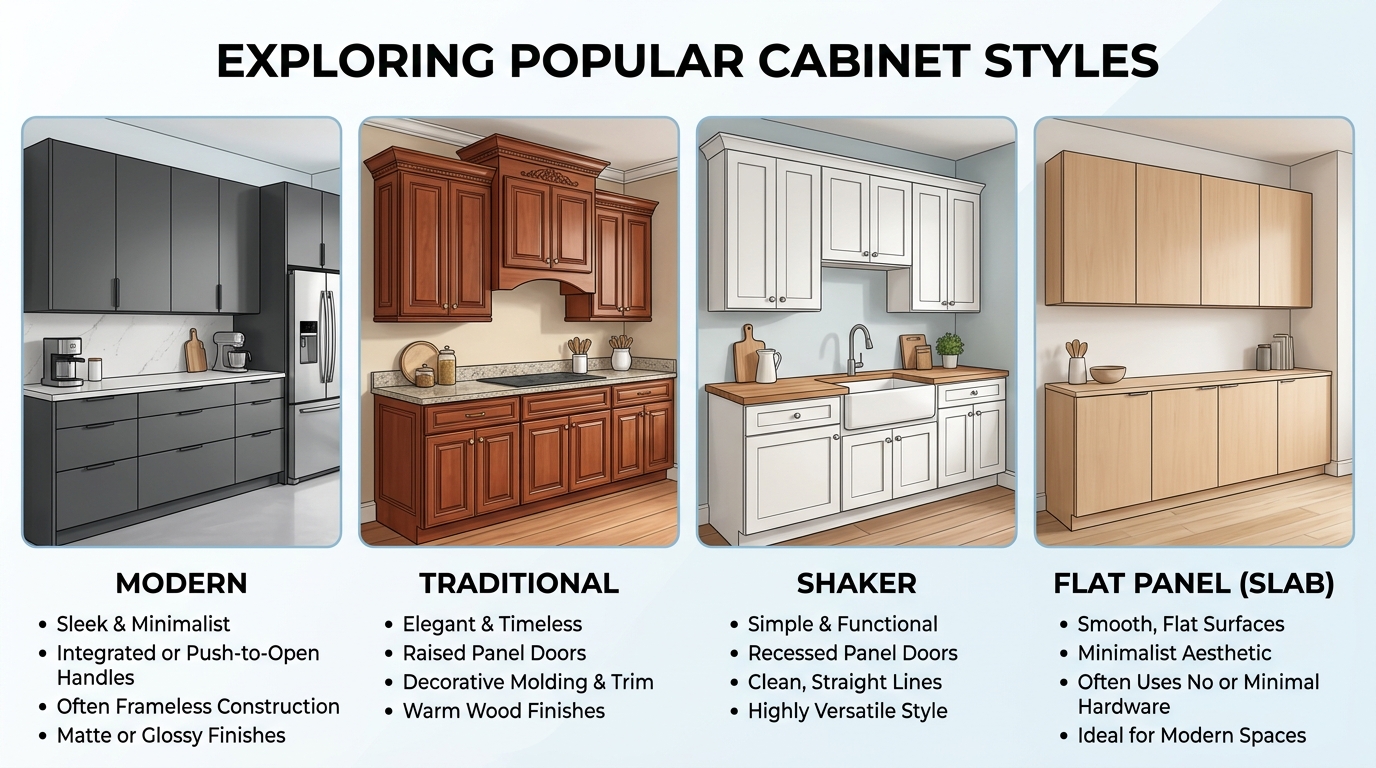
Flat panel cabinets use smooth doors without raised or recessed detailing. This simplicity makes them one of the strongest choices for contemporary and minimalist kitchens. The absence of decorative framing creates long continuous surfaces that emphasize cabinet alignment and room geometry.
Flat doors can be finished in matte paint, high gloss surfaces, wood grain textures, or other contemporary materials. Each finish changes the personality of the kitchen while preserving the simple profile. Natural wood flat panels can feel warm and organic, while darker matte doors may create a more dramatic architectural effect.
Maintenance is another reason homeowners consider flat panel cabinets. With fewer recessed areas and decorative edges, the doors are generally straightforward to wipe down. This can be valuable in households where the kitchen receives heavy daily use.
However, simplicity places greater emphasis on precision. Uneven spacing or poor alignment becomes more visible when there are no decorative details to distract the eye. Quality manufacturing and careful installation therefore play an especially important role in flat cabinet projects.
Raised Panel Cabinets Offer Classic Depth
Raised panel doors feature a center section that sits above the surrounding frame, creating a dimensional and decorative appearance. They are commonly associated with traditional kitchens and homes with established architectural character.
These doors work particularly well with warm finishes, natural stone countertops, decorative hardware, and detailed lighting. When these materials are coordinated carefully, raised panel cabinets can produce a refined and substantial kitchen environment.
Because the door itself contains stronger architectural detail, other materials should generally be selected with restraint. Highly patterned countertops, complex backsplashes, and ornate hardware used simultaneously can make the space feel overly busy.
Raised panel cabinetry tends to work best when the surrounding architecture supports it. Formal homes, traditional interiors, and larger kitchens often provide the visual space needed for the additional detailing to feel natural.
Transitional Cabinets Balance Modern and Traditional Design
Transitional cabinetry combines the comfort of traditional design with the simplicity of modern interiors. Instead of choosing one extreme, homeowners can use restrained cabinet profiles, neutral colors, straightforward hardware, and contemporary materials together.
Shaker doors are frequently used in transitional kitchens because their moderate detailing fits both directions. Warm white, soft grey, greige, and muted wood tones create a flexible foundation that can be paired with quartz, stone, tile, and metal finishes.
This style is particularly useful in homes where the architecture is neither strongly modern nor strongly traditional. Transitional cabinetry creates continuity without making the kitchen feel tied to a single design era.
Cabinets House often sees transitional design as a practical option for homeowners who want long term flexibility. The kitchen can later be updated through lighting, hardware, wall colors, and decorative accessories without requiring major cabinet changes.
Glass Front Cabinets Add Visual Openness
Glass front cabinets can be used alongside solid doors to create lighter visual sections within a kitchen. They are commonly placed near dining areas, beverage stations, or symmetrical upper cabinet arrangements.
Clear glass works well when homeowners want to display attractive dishes or glassware. Frosted or textured glass offers greater privacy while still reducing the visual heaviness of solid cabinet doors.
Interior cabinet lighting can make glass doors even more effective by creating an evening focal point. This approach is particularly useful when the kitchen needs decorative interest but the homeowner wants to avoid adding more colors or materials.
Glass cabinets are generally strongest as accents rather than the dominant style. Strategic placement creates contrast while allowing the main cabinet design to remain calm and cohesive.
Comparing Popular Cabinet Styles
Different cabinet styles create very different design experiences. The following comparison provides a practical overview.
| Cabinet Style |
Visual Character |
Best Design Direction |
Maintenance |
| Modern |
Clean and simple |
Contemporary |
Easy |
| Traditional |
Decorative and warm |
Classic homes |
Moderate |
| Shaker |
Balanced and versatile |
Multiple styles |
Easy |
| Flat Panel |
Minimal and streamlined |
Modern interiors |
Very Easy |
| Raised Panel |
Detailed and substantial |
Traditional kitchens |
Moderate |
| Transitional |
Refined and flexible |
Mixed interiors |
Easy |
| Glass Front |
Open and decorative |
Accent areas |
Moderate |
No single style is automatically superior. The best choice depends on the relationship between cabinetry, architecture, lifestyle, and long term expectations.
A compact kitchen may benefit from a simpler profile, while a large traditional room may accommodate deeper detailing. Natural light can also influence whether dark or light finishes work effectively.
Homeowners should therefore compare complete cabinet samples within the actual room whenever possible. Door profile, finish, lighting, and surrounding materials should be evaluated together rather than independently.
Forevermark Cabinets can provide useful options for homeowners comparing different cabinet styles, particularly when balancing design goals with practical renovation budgets.
How to Choose the Right Cabinet Style
Begin by looking at the architecture of the home. A contemporary property may naturally support flat panels and simple hardware, while a traditional home may feel more cohesive with shaker or raised panel cabinetry.
Next, consider the way the household uses the kitchen. Families that cook frequently may prefer easier to clean surfaces and efficient internal storage. Homeowners focused heavily on appearance may prioritize decorative details or display cabinetry.
Important considerations include:
• Kitchen size and ceiling height
• Natural and artificial lighting
• Overall home architecture
• Desired maintenance level
• Cabinet storage requirements
• Countertop and flooring materials
• Long term resale goals
• Personal design preferences
Avoid choosing cabinetry solely because it is currently fashionable. Cabinet replacement is a substantial project, so the style should provide enough flexibility to remain attractive after temporary trends change.
Coordinate Cabinet Style With Color and Materials
Door profile and cabinet color should be considered together. A shaker door in warm white creates a completely different atmosphere from the same profile in charcoal or natural wood.
Countertops also influence the final appearance. Simple cabinets can support stronger stone patterns, while decorative cabinet doors often benefit from quieter countertop materials.
Flooring should provide either intentional contrast or clear tonal harmony. Wood cabinets installed with wood flooring require especially careful coordination so the finishes do not appear accidentally mismatched.
Hardware provides the final layer. Matte black can create strong contrast, brushed nickel offers restraint, and warmer metallic finishes can soften white or darker cabinetry. Consistency generally creates a more polished result than using too many unrelated finishes.
Cabinet Quality Matters Regardless of Style
Style determines appearance, but construction determines how cabinetry performs. Homeowners should evaluate cabinet boxes, shelving, hinges, drawer systems, finishes, and assembly quality before making a final decision.
A beautiful door cannot compensate for weak shelving or unreliable hardware. Kitchen cabinets experience repeated opening, closing, loading, cleaning, and exposure to everyday cooking conditions.
Forevermark Cabinets may be considered when homeowners want to compare established cabinet styles while maintaining attention to practical construction and value. Regardless of brand, however, specifications should always be reviewed carefully.
Cabinets House helps homeowners consider style and construction together so the finished kitchen performs as well as it looks.
Conclusion: Cabinet Styles: Modern, Traditional, Shaker, Flat…
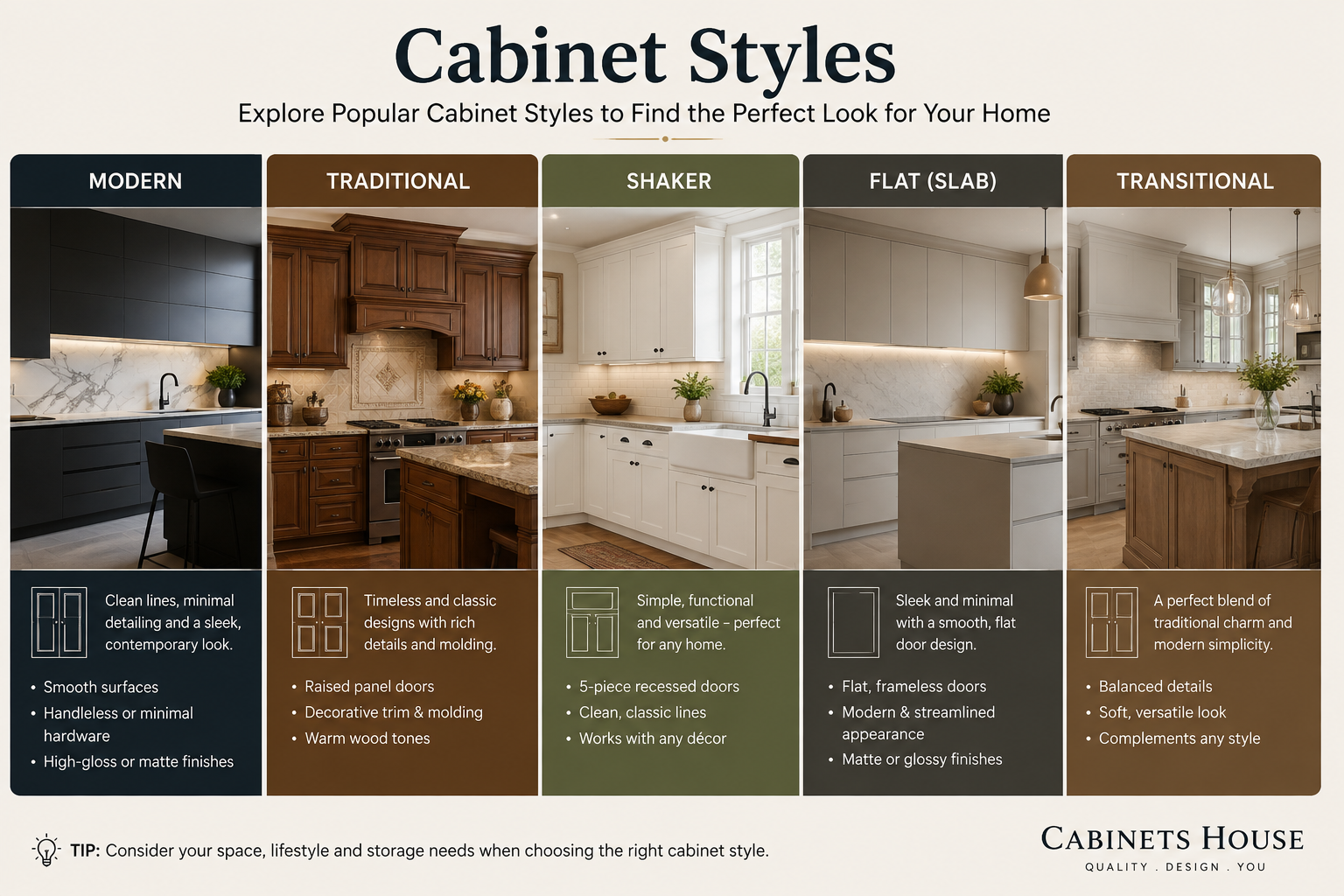
cabinet styles range from highly minimal modern doors to detailed traditional designs, with shaker, flat panel, raised panel, transitional, and glass front options providing additional flexibility. Each style creates its own visual language and should be evaluated according to the architecture, dimensions, lighting, and lifestyle requirements of the home.
Modern cabinets emphasize simplicity, traditional cabinetry brings architectural detail, shaker doors provide exceptional flexibility, and flat panels offer an especially streamlined appearance. The right selection depends on more than what looks attractive in a photograph. Storage, maintenance, finish, construction quality, and compatibility with permanent kitchen materials all matter.
Homeowners should compare door samples alongside countertops, flooring, hardware, and lighting before making a final decision. This coordinated approach reduces design conflicts and creates a kitchen that feels intentional from every angle.
With careful planning and guidance from Cabinets House, choosing among modern, traditional, shaker, flat, and other cabinet styles becomes a much clearer process. The result can be a kitchen that reflects personal style while delivering the durability, storage, and long term functionality required for everyday American homes.

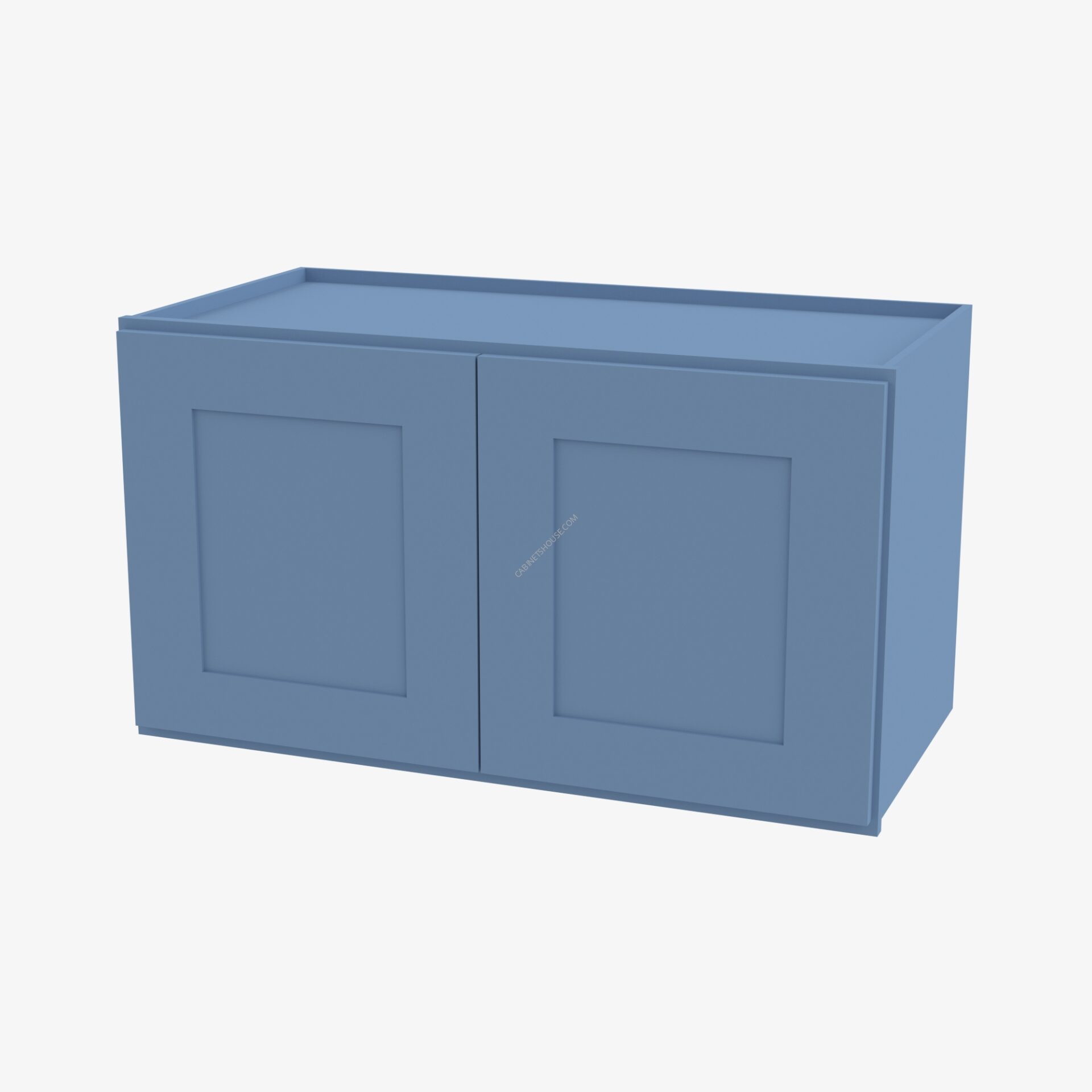 Double Door Wall Cabinet AX-W2418B Forevermark Xterra Blue Shaker
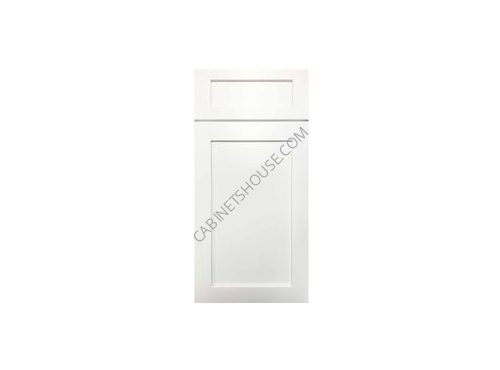 Wall Diagonal Corner Cabinet VW-WDC273615 Forevermark Rio Vista White Shaker
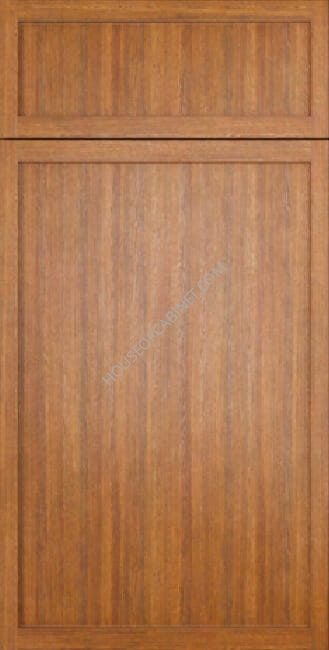 Single Door Wall Cabinet PR-W1812-3 Forevermark Petit Brown