Do it yourself diy kitchen cabinet project is one of the most effective ways for homeowners in the United States to upgrade their kitchen while maintaining full control over budget and design decisions. Instead of relying entirely on contractors, a DIY approach allows you to take ownership of the process, reduce labor costs, and customize your kitchen based on your exact needs. With proper planning and the right materials, a DIY cabinet project can deliver results that feel professional and long lasting.
Many homeowners hesitate to start a DIY cabinet project because they assume it requires advanced skills. In reality, success comes from preparation, patience, and choosing the right cabinet system. Modern cabinet solutions are designed to simplify installation, making it easier than ever to complete a project with confidence. When each step is approached methodically, the process becomes manageable and rewarding.
Cabinets House encourages homeowners to view DIY projects as a structured process rather than a risky experiment. When you break the project into clear stages such as planning, material selection, preparation, and installation, the complexity becomes much easier to handle. This approach reduces mistakes and ensures a smoother workflow from start to finish.
This guide explains how to plan and execute a DIY kitchen cabinet project, which materials to choose, and how to achieve a high quality result without exceeding your budget.
Planning your DIY kitchen cabinet project step by step
Planning is the most critical phase of any DIY cabinet project. Without a clear plan, mistakes can lead to wasted materials, delays, and unnecessary expenses.
Start by measuring your kitchen space accurately. Precise measurements ensure that cabinets fit correctly and prevent costly adjustments during installation. Taking time at this stage saves both money and effort later.
Define your layout before purchasing any materials. Keeping the existing kitchen layout is often the most cost effective option because it avoids changes to plumbing and electrical systems. A stable layout also simplifies installation.
Create a detailed project plan that includes timeline, tools, and materials. Breaking the project into manageable steps helps maintain control and reduces stress during execution.
A structured plan should include:
- Accurate kitchen measurements
- Cabinet layout design
- Budget allocation for each stage
- Installation timeline
This level of preparation sets a strong foundation for a successful DIY project.
Choosing the right cabinets for a DIY project
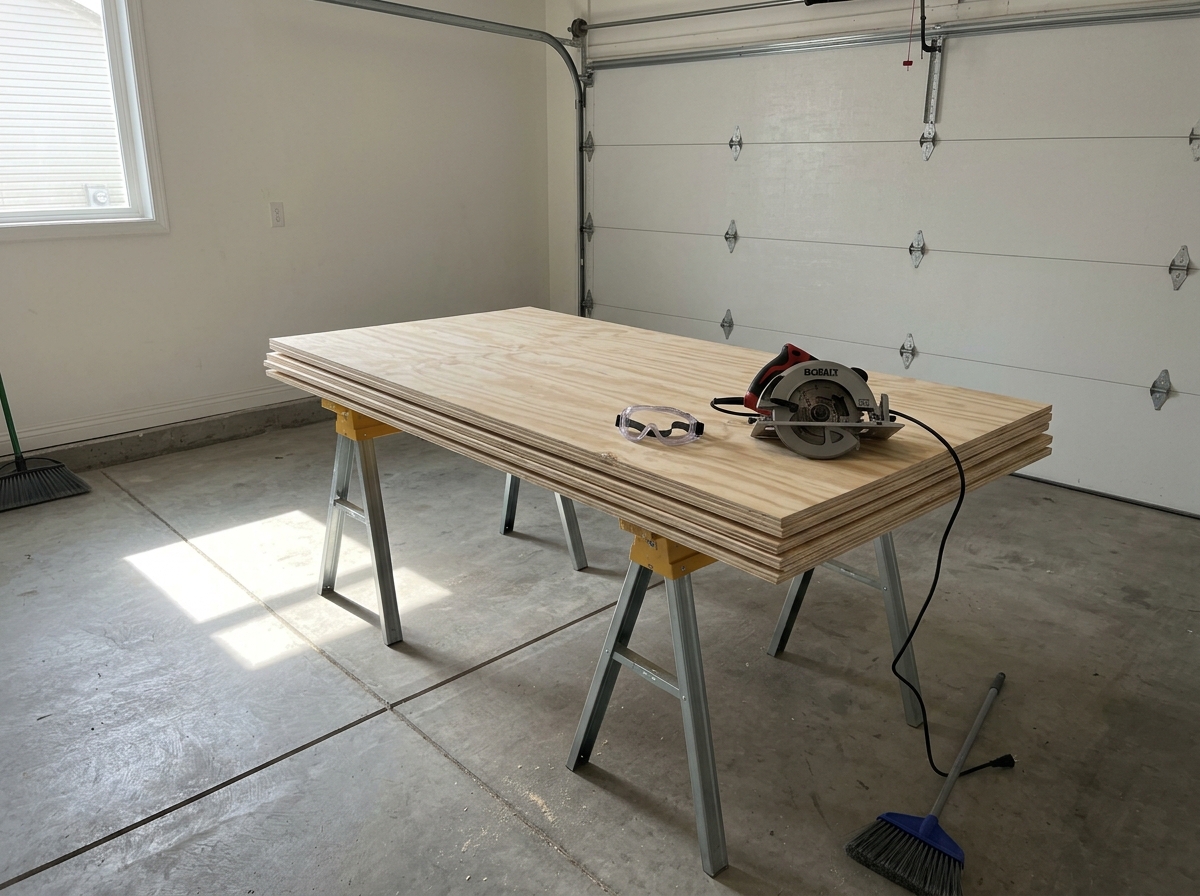
Selecting the right cabinet type is essential for simplifying the installation process. Not all cabinets are equally suitable for DIY projects.
Ready to assemble cabinets are one of the best options for DIY installations. They are designed for easy assembly and reduce the need for specialized tools. This makes them ideal for homeowners who want to minimize complexity.
Stock cabinets are another practical choice. They are available in standard sizes and can be installed quickly, which helps reduce overall project time.
Forevermark Cabinets are often recommended for DIY projects because they combine durability with user friendly design. Their consistent construction makes installation more predictable and reliable.
Choosing the right cabinet type ensures that the project remains manageable and efficient.
Materials and tools required for the project
Having the right materials and tools is essential for achieving a professional result. Preparation at this stage prevents interruptions during installation.
Basic tools typically include measuring tape, level, drill, screwdriver, and clamps. These tools support accurate installation and alignment.
Material selection should focus on durability and ease of use. Cabinets made from quality wood or engineered materials provide better long term performance.
A well prepared toolkit improves efficiency and reduces the likelihood of errors.
Installation process and best practices
The installation phase is where planning and preparation come together. Following a structured approach ensures a smooth process.
Start by installing upper cabinets first. This prevents interference with lower cabinets and allows better positioning.
Ensure that all cabinets are level and aligned correctly. Even small misalignments can affect both appearance and functionality.
Secure cabinets properly to wall studs for stability. This step is critical for safety and durability.
Work systematically and avoid rushing. Taking time to verify each step helps maintain quality throughout the project.
Common mistakes to avoid in DIY cabinet projects
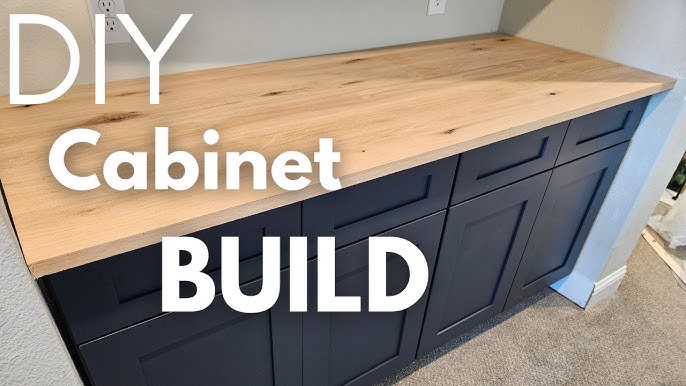
Avoiding common mistakes can save time, money, and frustration. Many issues arise from rushing or skipping important steps.
Incorrect measurements are one of the most frequent problems. Always double check dimensions before cutting or installing.
Poor alignment can lead to uneven cabinet placement. Using a level consistently helps prevent this issue.
Ignoring material quality can result in cabinets that wear out quickly. Investing in reliable products improves long term results.
Cabinets House emphasizes the importance of patience and precision. A careful approach leads to better outcomes.
Budget planning and cost control strategies
One of the main advantages of a DIY project is cost control. By managing the process yourself, you can reduce labor expenses and allocate budget more effectively.
Choosing ready to assemble cabinets can significantly lower costs. These cabinets offer a balance between affordability and quality.
Keeping the existing kitchen layout reduces additional expenses related to plumbing and electrical changes.
Focusing on essential upgrades rather than unnecessary additions helps maintain budget discipline.
The table below shows how different choices impact overall cost.
| Project Element |
Cost Impact |
Recommendation |
| Cabinet Type |
High |
Choose RTA or stock options |
| Layout Changes |
Very high |
Keep existing layout |
| Hardware Upgrades |
Medium |
Invest for better appearance |
| Lighting Additions |
Low to medium |
Improves functionality |
This comparison helps homeowners prioritize spending effectively.
Why Cabinets House supports your DIY project
Choosing the right supplier is an important part of any DIY cabinet project. A reliable partner ensures product quality and provides guidance throughout the process.
Cabinets House offers cabinet solutions that are suitable for both beginners and experienced DIY homeowners. Their focus on quality and usability helps simplify installation and improve results.
Guidance during selection helps prevent costly mistakes and ensures that the chosen cabinets match the project requirements.
Forevermark Cabinets are among the trusted options available through Cabinets House. Their durability and design consistency make them ideal for DIY installations.
Conclusion: Do It Yoursef (DIY) Kitchen Cabinet Project
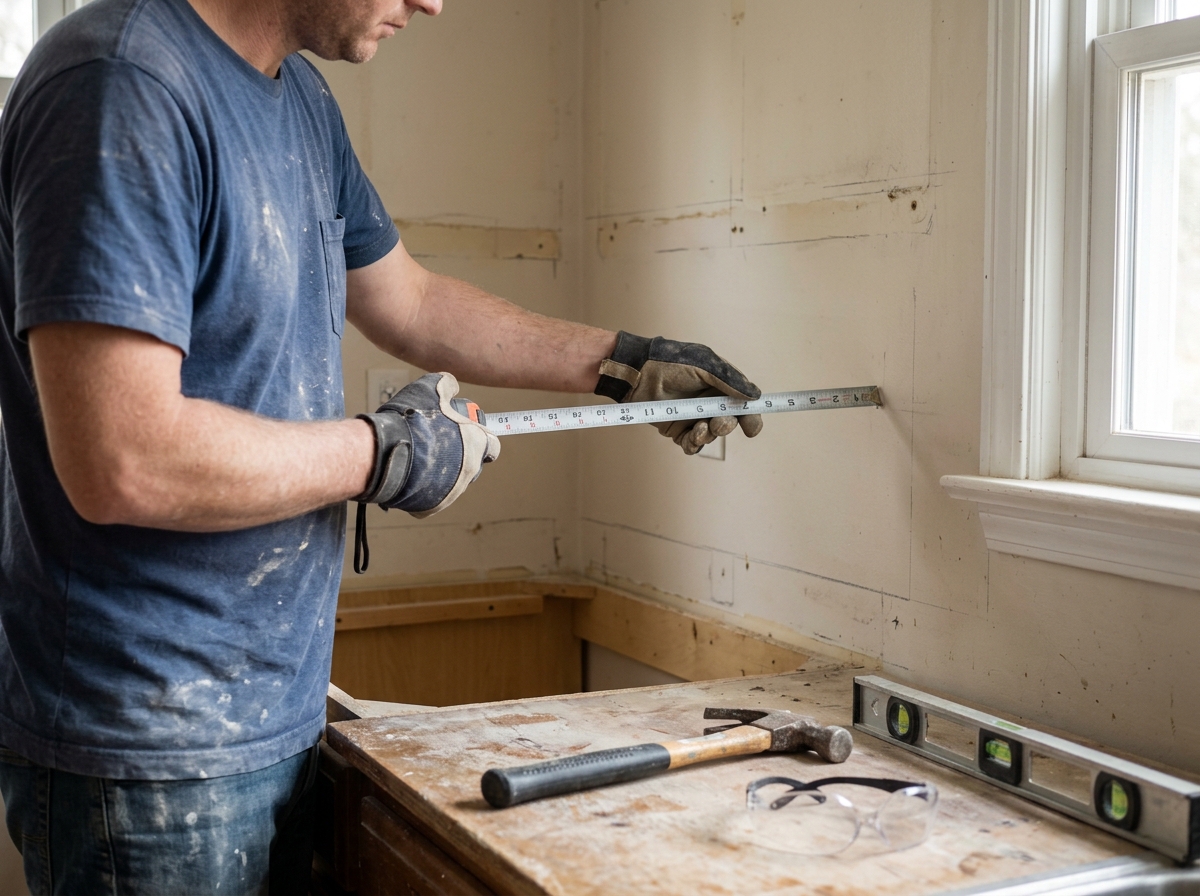
do it yourself diy kitchen cabinet project is a practical and rewarding approach for homeowners who want to upgrade their kitchen without excessive costs. With proper planning, the right materials, and a structured process, it is possible to achieve a high quality result.
A successful DIY project depends on preparation, patience, and smart decision making. Each step contributes to the final outcome, and attention to detail ensures long term satisfaction.
For homeowners in the USA, DIY cabinet projects offer flexibility, cost savings, and the opportunity to create a personalized kitchen space. With support from Cabinets House and reliable cabinet options, building a functional and stylish kitchen becomes an achievable goal.

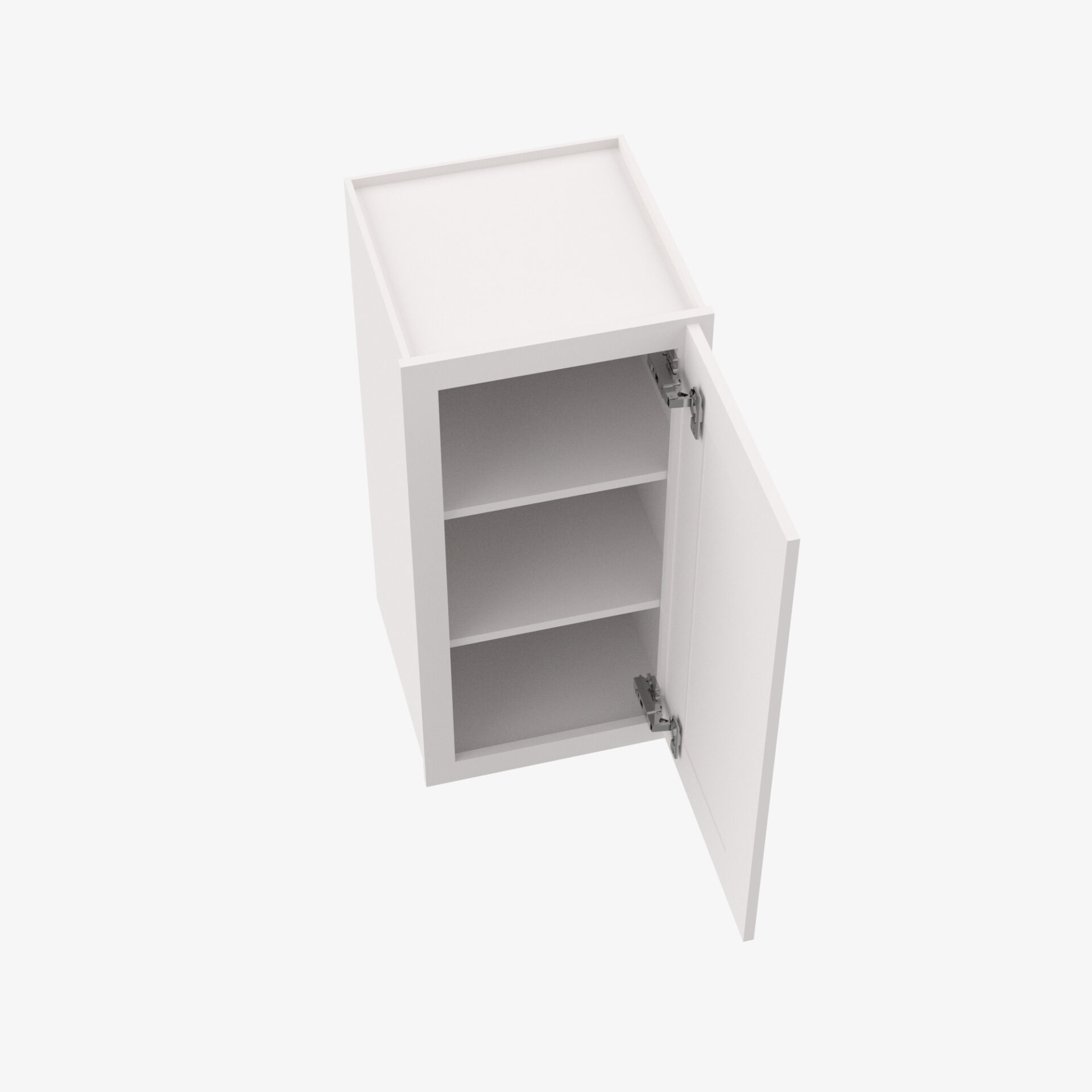 Wall Glass Door with No Mullion and with Clear Glass PW-W1830GD Forevermark Petit White
 Wall Glass Door with No Mullion and with Clear Glass PS-WDC2442GD Forevermark Petit Sand
 Wall Glass Door with No Mullion and with Clear Glass PS-W1842GD Forevermark Petit Sand